Mumbai: The Reserve Bank of India (RBI) on Friday decided to keep the benchmark repo rate unchanged at 5.25 percent.
The decision was taken by the Monetary Policy Committee (MPC), which felt there was no immediate need to raise interest rates as inflation remains under control.
The move signals that the central bank wants to continue supporting economic growth while closely watching global developments.
Inflation Remains Below Target
One of the main reasons for keeping rates unchanged is the easing of inflation.
Retail inflation fell to 3.48 percent in April, staying below the RBI’s medium-term target of 4 percent.
Since price pressures have remained comfortable for several months, policymakers believe there is enough room to maintain the current policy stance.
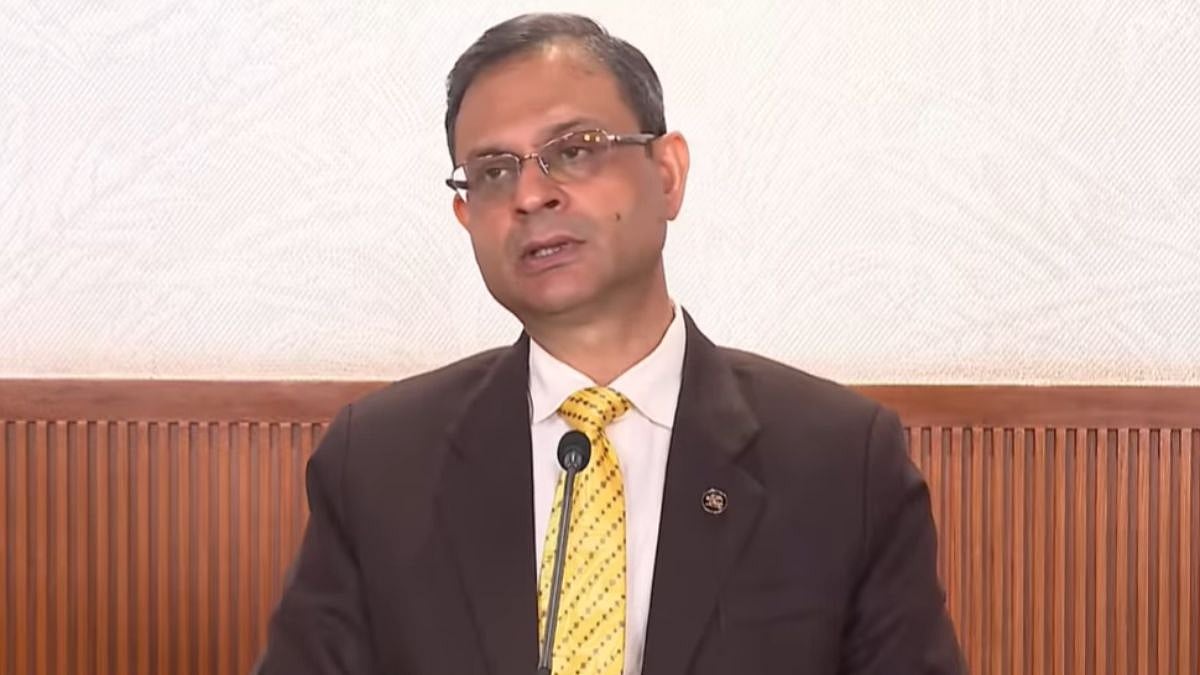
Rising Oil Prices Remain a Concern
Even though inflation is under control, the RBI is not ignoring risks.
Global crude oil prices have increased sharply following tensions involving the US, Israel and Iran. Oil prices are currently around 30 percent higher than levels seen before the conflict.
Higher oil prices can increase transportation and production costs, eventually leading to higher prices for consumers.
Weak Rupee Adds Pressure
Another challenge is the weakening of the Indian rupee.
The rupee has declined about 6 percent against the US dollar this year. A weaker currency makes imports more expensive and can add to inflationary pressures.
However, the RBI has been actively intervening in currency markets to reduce excessive volatility and limit the rupee’s decline.
Weather Risks Also Being Monitored
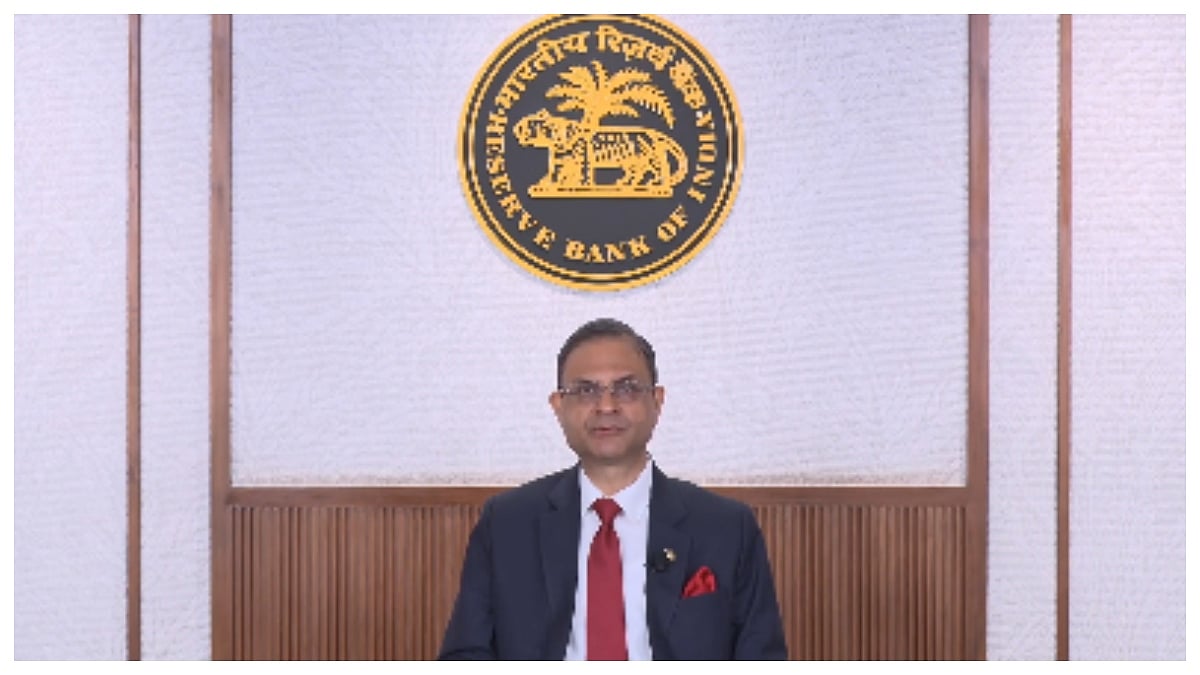
RBI Governor Sanjay Malhotra said weather-related uncertainties remain an important factor.
The possibility of a weaker monsoon and El Nino conditions could affect agricultural output and food prices.
At the same time, strong foodgrain stocks and healthy reservoir levels are expected to help cushion any supply-related shocks.
What Happens Next?
The RBI believes current inflation risks have not yet become serious enough to justify a rate hike.
However, the central bank will continue monitoring oil prices, currency movements and global economic conditions.
If these factors begin pushing consumer prices higher in the coming months, policymakers may reconsider their stance and take further action.

