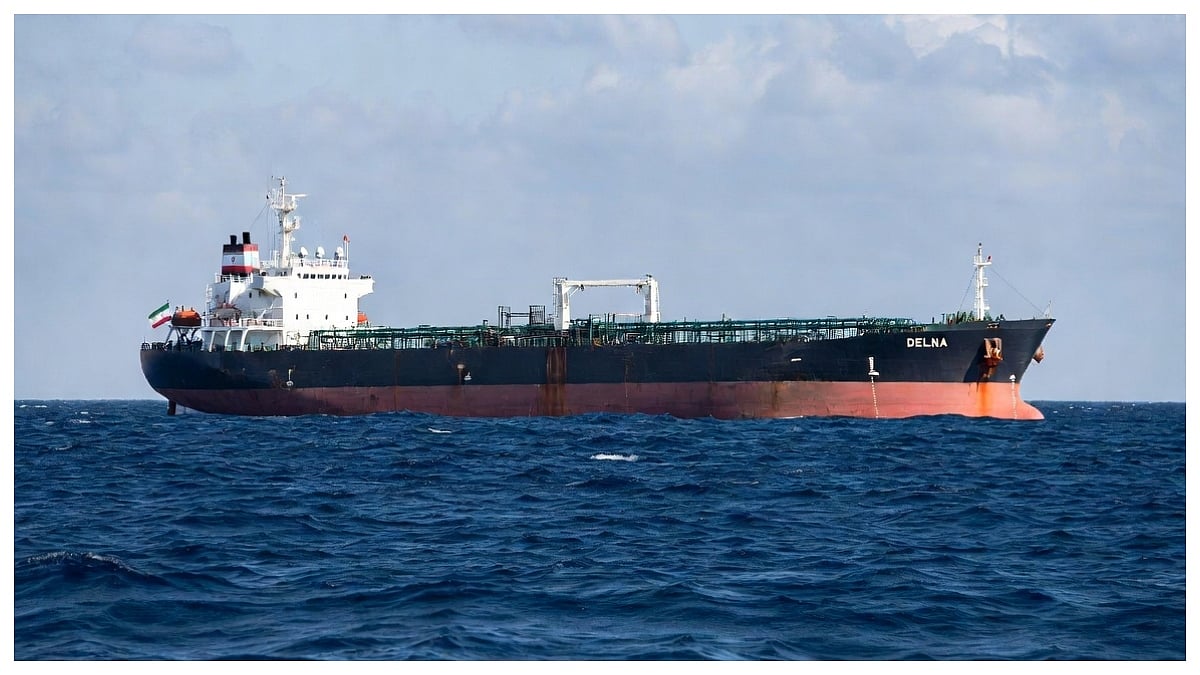
Mumbai: A US-sanctioned oil tanker carrying Iranian crude has suddenly changed its destination from India to China. The Aframax tanker Ping Shun, which had earlier signalled Vadinar in Gujarat as its destination, is now indicating Dongying in China, according to ship-tracking firm Kpler.
The vessel, built in 2002 and sanctioned in 2025, was expected to deliver around 600,000 barrels of crude oil to India. Its estimated arrival date at Vadinar was April 4.
First Import in Seven Years Put on Hold
If the shipment had reached India, it would have been the first Iranian crude import by the country since 2019. India had stopped buying oil from Iran after US sanctions tightened in 2018.
Recently, Indian refiners were exploring opportunities to buy Iranian oil again after the US allowed a limited 30-day sanctions waiver. This window, aimed at easing global oil prices, will end on April 19.
Payment Issues Behind the Shift
Experts believe the tanker’s change in route is linked to payment-related concerns. According to Kpler analyst Sumit Ritolia, sellers are now demanding faster payments instead of the earlier 30–60 day credit period.
This shift in terms has made deals more difficult for buyers. It is still not clear who the buyer or seller of this cargo is.
Banking Restrictions Add Pressure
A major issue is that Iran is cut off from the global banking system SWIFT. This makes international payments complicated and risky.
Earlier, India had used alternative payment methods, including euro transactions via Turkish banks. However, those channels are no longer available. This adds to the uncertainty around how payments for Iranian oil can be settled now.
Vadinar Refinery and Strategic Importance
Vadinar in Gujarat houses a 20 million tonnes per year refinery operated by Nayara Energy, backed by Russian oil major Rosneft. It was expected to be the receiving point for this shipment.

Historically, Iran was one of India’s key oil suppliers. In 2018, Iran accounted for about 11.5 percent of India’s total oil imports. India used to import up to 518,000 barrels per day before sanctions forced a halt in 2019.
Trade Still Possible, But Uncertain
Experts say the cargo could still reach India if payment issues are resolved. However, this incident shows that financial terms are now as important as logistics in global oil trade.
India’s oil ministry has maintained that any decision to resume Iranian oil imports will depend on commercial and technical feasibility.
