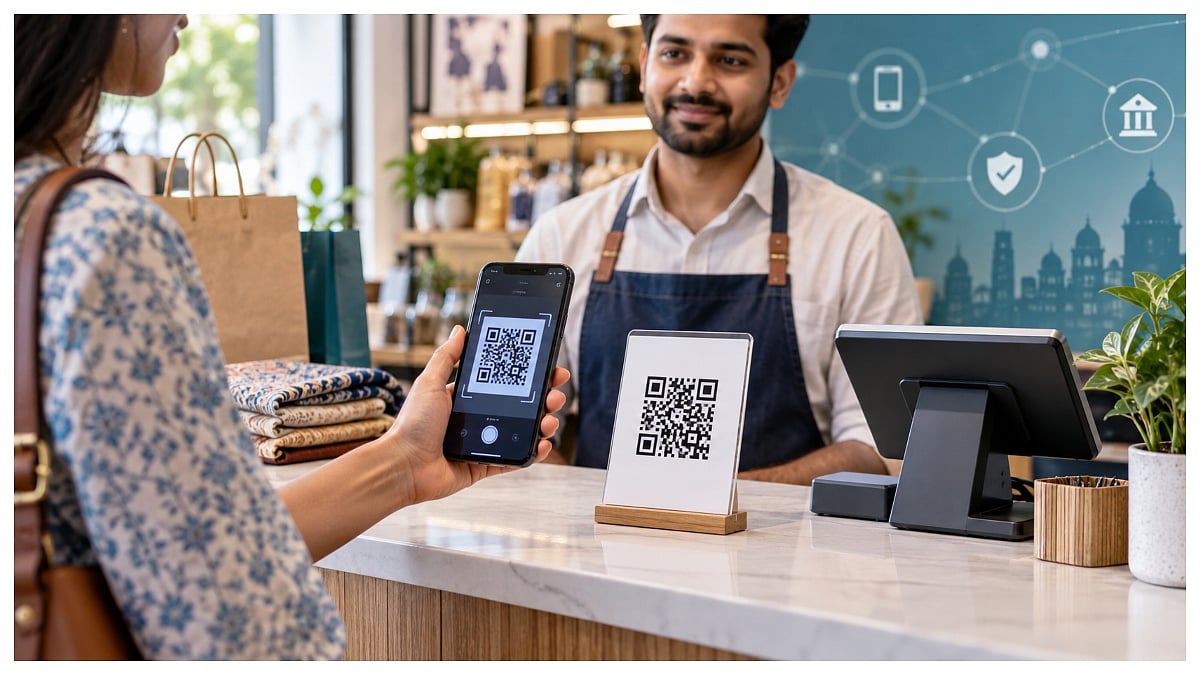
New Delhi: UPI payments above Rs 2,000 will attract charges of up to 0.4 percent from October 15, 2026, under a revised Merchant Discount Rate framework announced by the National Payments Corporation of India. However, consumers will not pay the levy.
New Framework Begins
The MDR will apply only to specified Person-to-Merchant transactions exceeding Rs 2,000. The charge will be capped at Rs 300 for each transaction, limiting the cost borne by merchants accepting higher-value payments.
Selected categories, including railways, telecom services, insurance and fuel, will instead face a flat MDR of Rs 5 on UPI payments above Rs 2,000.
Consumers Remain Protected
NPCI clarified that UPI will remain free for consumers. Person-to-Person transfers will continue without charges, while merchant payments of up to Rs 2,000 will remain outside the MDR regime.
More than 95 percent of low-value UPI P2M transactions are expected to stay exempt, ensuring that routine digital payments remain unaffected.
Relief For Small Merchants
Small vendors covered under the Person-to-Person Merchant framework will continue to enjoy zero MDR. This category includes merchants receiving up to Rs 1 lakh monthly through UPI QR payments directly into their bank accounts.

The exemption is intended to protect neighbourhood shops, roadside vendors and other businesses across India’s unorganised retail economy from additional payment costs.
Expansion Fund Proposed
The revised framework also proposes a dedicated fund to widen UPI acceptance among small merchants, particularly across existing networks and Tier-3 cities and smaller markets.
Revenue collected through MDR on eligible higher-value transactions will be shared among participants across the UPI ecosystem. NPCI expects the arrangement to support investment in payment infrastructure, operational resilience, cybersecurity and innovation.
The changes seek to create a sustainable revenue pool for payment providers without weakening UPI’s mass appeal. While qualifying merchants will absorb the new fee, customers can continue scanning QR codes and transferring money without transaction charges under the revised charging structure from the October implementation date.

