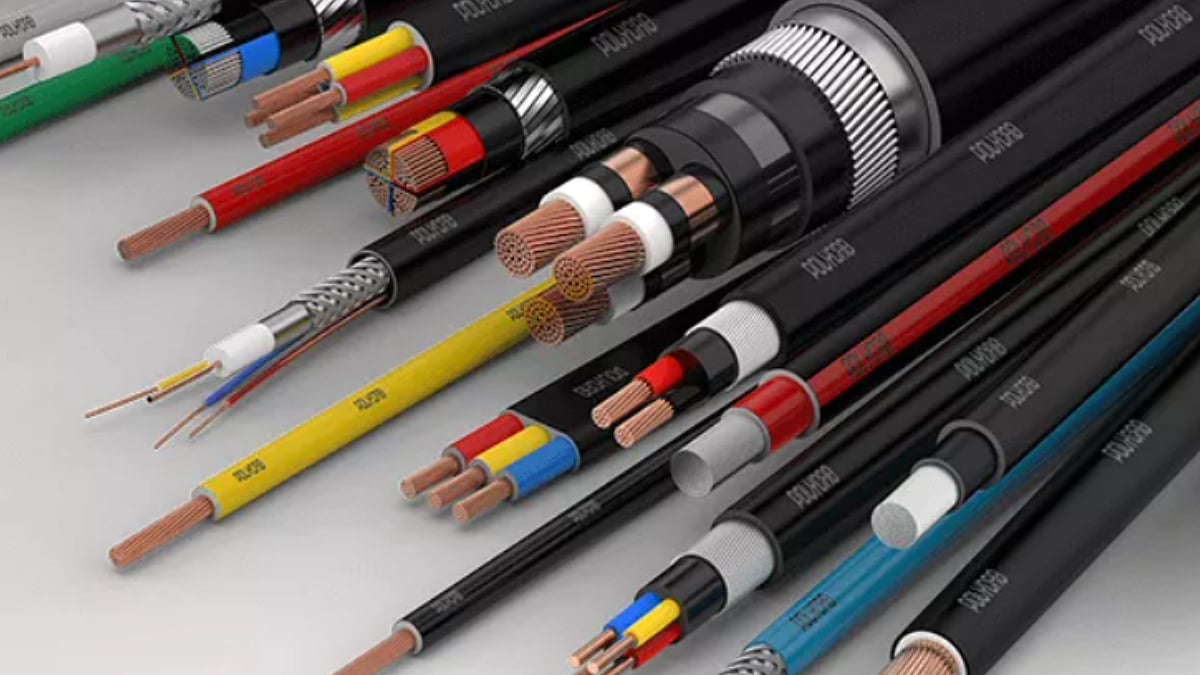
Shares of leading wires and cables manufacturers came under pressure on September 4 after UltraTech Cement announced the launch of its new Ultravolt business, raising concerns about increased competition in a market dominated by established companies.
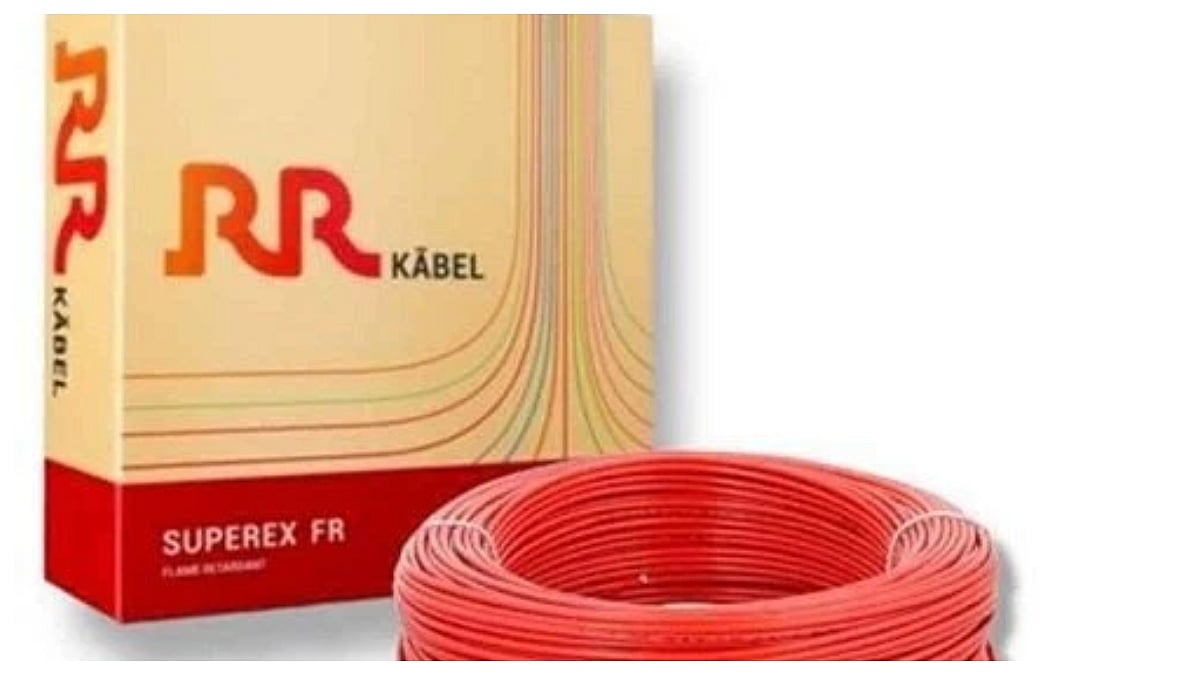
KEI Industries witnessed the steepest decline among major players, falling 8.25% to ₹4,855 during morning trade. Polycab India dropped 6.22%, while RR Kabel declined 4.8%. Other companies, including Finolex Cables, Havells India and Universal Cables, also traded lower.
In contrast, UltraTech Cement shares gained almost 2% as investors reacted positively to the company’s entry into the segment. The Aditya Birla Group company has committed ₹1,800 crore towards building its wires and cables business.
UltraTech targets top position in wires segment
UltraTech launched Ultravolt earlier than its previously announced timeline and aims to become one of India’s two largest wires and cables companies within five years.
The company will initially manufacture wires and low-tension cables from its Jhagadia facility in Gujarat. It plans to expand across more than 500 districts and 6,000 pin codes, supported by over one lakh retailers, 5,000 UltraTech Building Solutions outlets and more than 20 warehouses.
The company said Ultravolt will be the second-largest wires player by capacity at the time of launch, highlighting the scale of its ambitions.
Brokerages remain positive on UltraTech’s expansion
According to a report by Moneycontrol, brokerages have maintained a positive outlook on UltraTech’s move. Morgan Stanley retained its ‘Overweight’ rating with a target price of ₹14,700, citing strong execution and early completion of the launch.
The brokerage noted that UltraTech had already spent around ₹890 crore by June against the total planned investment of ₹1,800 crore. It said the pace of investment reflected the company’s commitment to scaling up the new business.
Jefferies also maintained its ‘Buy’ rating with a target price of ₹14,065, saying UltraTech’s entry appeared more aggressive than initially expected.

