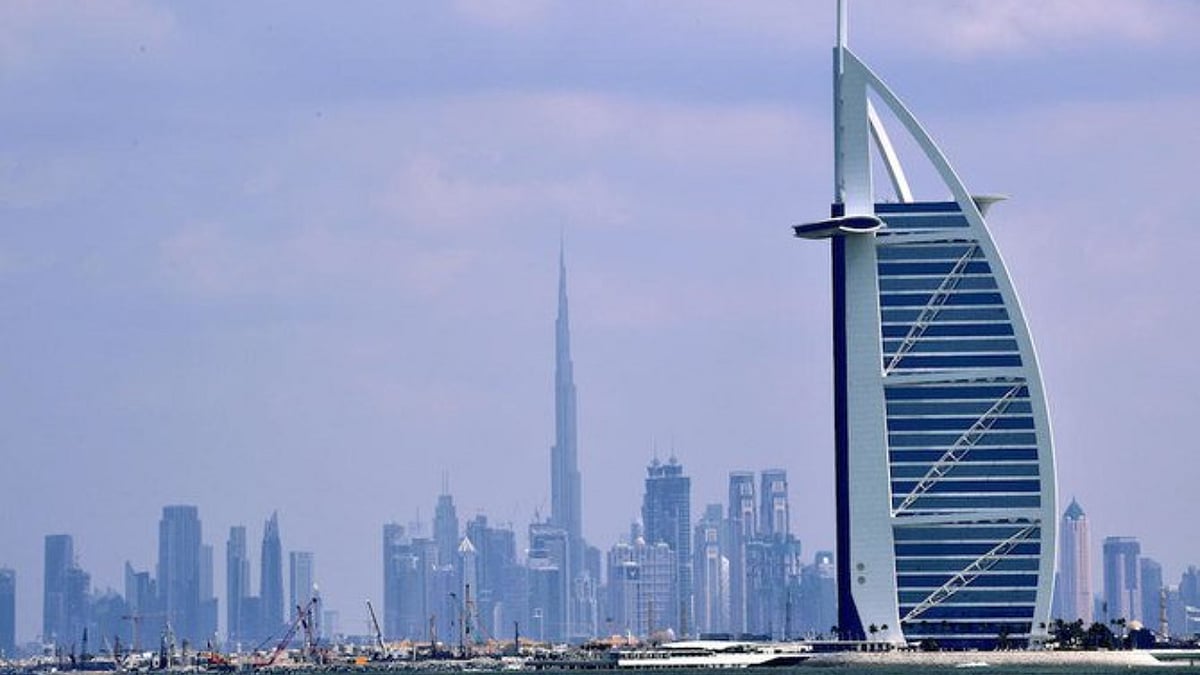
The United Arab Emirates has suspended trade, commercial exchanges and financial transactions with Iran until further notice following a missile incident that heightened tensions between the two countries.
The UAE Foreign Ministry announced the decision early Wednesday, hours after the country’s defence authorities detected two ballistic missiles launched from Iran.
According to the UAE Defence Ministry, one missile fell outside the country’s territorial waters, while the other landed within them. Both were assessed to have been aimed at maritime navigation before falling into the sea.
No casualties or damage were reported. The UAE government has not yet clarified the full scope of the suspension or whether any exemptions will be permitted.
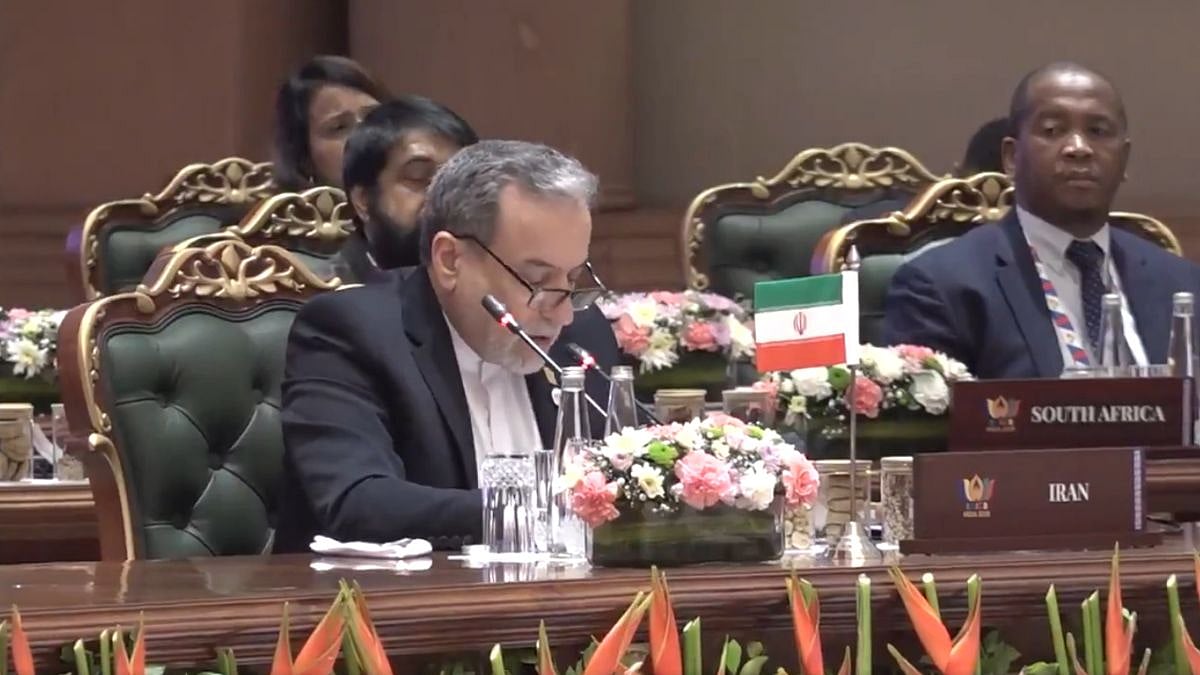
UAE-Iran tensions escalate
The announcement represents a significant deterioration in relations between Abu Dhabi and Tehran, which had largely avoided direct confrontation with Emirati territory following a memorandum of understanding that came into effect in June.
The latest incident triggered a temporary missile warning for UAE residents. Authorities advised people to move to secure locations because of potential missile threats. The alert was subsequently withdrawn.
Iran has not immediately responded to the UAE's allegations.
The escalation comes amid wider tensions across the Middle East and increasing risks to the UAE's energy and maritime infrastructure. Vessels operated by Abu Dhabi National Oil Company (ADNOC) have reportedly faced repeated attacks in recent weeks.
Strait of Hormuz raises wider concerns
The UAE's decision could have implications beyond its bilateral relationship with Iran, particularly for oil shipments and commercial shipping.
Iran has maintained that the Strait of Hormuz will remain closed until an agreement is reached with the United States. The strategically important waterway serves as a major maritime route for vessels leaving Gulf ports, including those operating from the UAE.
Any prolonged disruption could therefore affect energy markets and international shipping.
The UAE has previously faced substantial attacks during the wider conflict, with nearly 3,000 missiles and drones reportedly targeting the country, more than any other Gulf state. Attacks against Emirati territory declined after the June agreement, even as threats continued elsewhere in the region.

