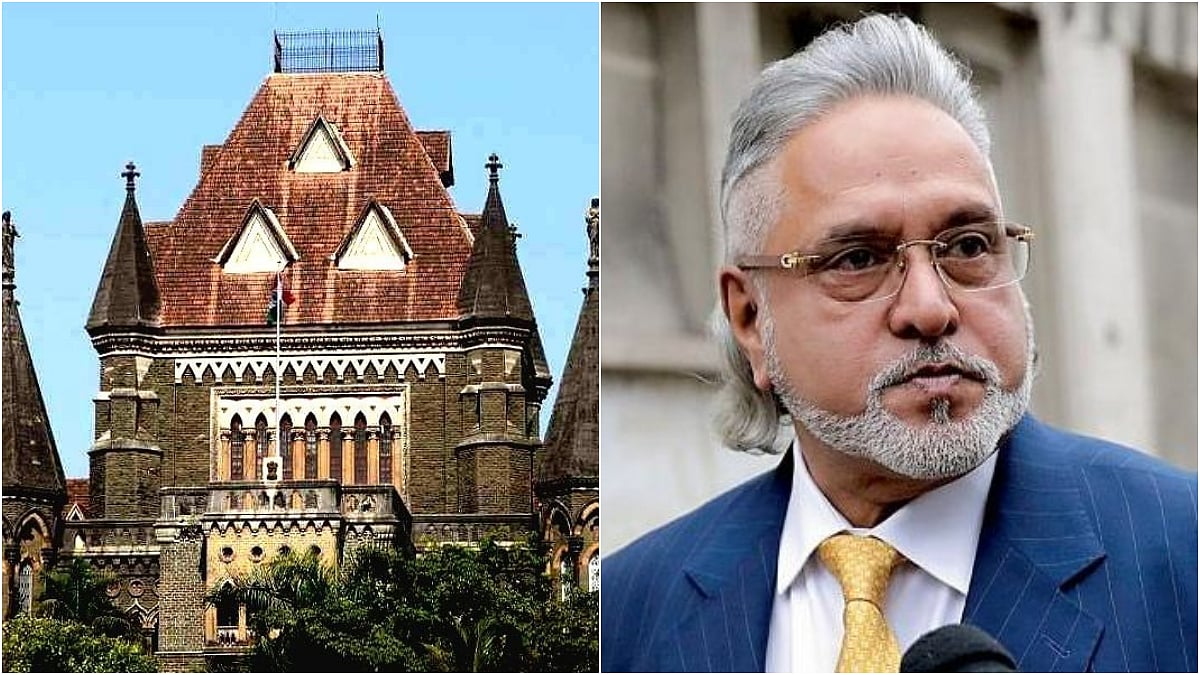
The Bombay High Court on Wednesday said the prolonged dispute concerning recovery of dues from Vijay Mallya should be brought to a conclusion after his lawyer informed the court that a petition filed in 2020 had lost relevance following developments over the past six years.
Mallya’s petition had challenged an order of a special Prevention of Money Laundering Act (PMLA) court that permitted a consortium of banks led by State Bank of India (SBI) to use assets confiscated by the Enforcement Directorate (ED) to recover outstanding dues.
Senior advocate Amit Desai, representing Mallya, said the petition was filed while settlement discussions were underway and sought protection for certain assets. He told the court that most of those assets had since been attached and dealt with, making the petition redundant.

Justice Jadhav observed that the matter needed to be resolved so that the parties could move forward. The court directed the ED to submit an affidavit stating whether the settlement process had been completed. It clarified that the status of the financial recovery proceedings would not affect the criminal case against Mallya.
Banks have recovered around ₹15,000 crore, lawyer says
Desai argued that Mallya’s civil liabilities had effectively been settled and said public sector banks continuing to keep the matter pending was unfortunate. He claimed lenders had recovered around ₹15,000 crore against the original dues of ₹6,203.35 crore, plus interest.
The ED had told the special PMLA court in February 2019 that it had no objection to the SBI-led consortium liquidating Mallya’s confiscated assets to recover the outstanding debt. Mallya was declared a fugitive economic offender in January 2019.
Mallya continues to face criminal proceedings in India linked to alleged loan defaults, fraud and money laundering involving Kingfisher Airlines. He left India in March 2016 and has remained in the UK while challenging his extradition. UK courts have approved his extradition, but he continues to remain there amid a separate confidential legal matter.

