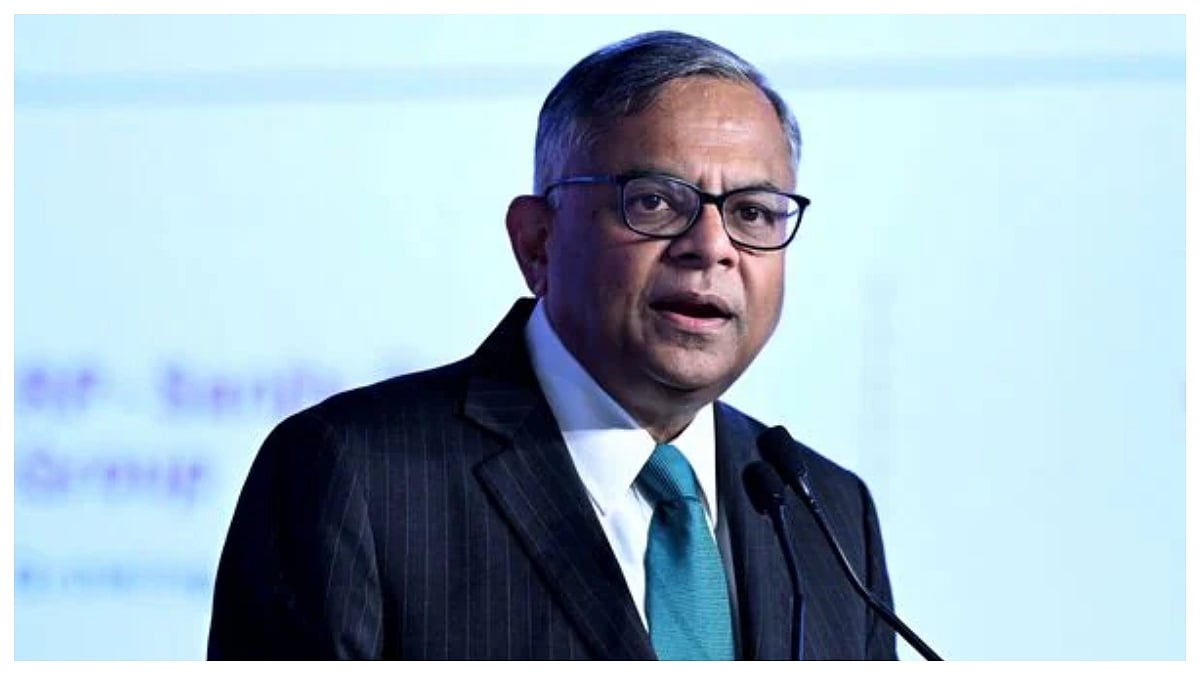
N Chandrasekaran’s decision to step down as Tata Sons chairman has opened one of corporate India’s most significant leadership transitions, with Tata Trusts expected to have a major influence in selecting the next head of the Tata Group.
Chandrasekaran’s current term continues until February 2027, giving the conglomerate time to identify his successor and ensure a smooth handover.
However, the appointment process is unlike a conventional corporate succession as Tata Sons’ governance structure gives Tata Trusts a key role in choosing the chairman.
Tata Trusts’ role in selecting next Tata Sons chairman
Tata Trusts, which collectively owns around 66% of Tata Sons, is central to the succession mechanism.
According to a report by Moneycontrol, a selection committee must be formed under Article 118 of Tata Sons’ articles of association to identify the chairman as long as the charitable trusts maintain the required shareholding.
While the committee recommends a candidate, the final appointment is made by the Tata Sons board. The mechanism was followed in 2017 when the company searched for a successor after Cyrus Mistry was removed as chairman.
At that time, Ratan Tata was appointed interim chairman while a five-member panel comprising senior business leaders and experts conducted the search. The committee eventually recommended Chandrasekaran, then chief executive officer of Tata Consultancy Services (TCS), for the role.
Succession challenge amid Tata Trusts differences
The current situation differs from 2016 as Chandrasekaran’s exit does not create an immediate leadership vacuum. The group has several months to complete the selection process before his term ends, potentially allowing a direct transition to a new chairman.
However, reaching consensus within Tata Trusts could be a key challenge. The trusts have been involved in governance-related disagreements, including issues concerning trustee appointments, representation on the Tata Sons board and strategic decisions.
Proceedings involving Sir Ratan Tata Trust before the Maharashtra Charity Commissioner have added another layer of complexity. Any delay in resolving internal issues could affect the functioning of the succession mechanism.

The next chairman will have the responsibility of leading a diversified conglomerate with businesses spanning technology, automobiles, steel, aviation, consumer products, financial services, hotels, electronics and semiconductor manufacturing.
Tata will also need to decide whether to continue with an internal candidate familiar with the group’s operations or look outside for a leader capable of steering its next phase of growth. Chandrasekaran’s own appointment in 2017 represented continuity, as he moved from leading TCS to heading the wider Tata empire.

