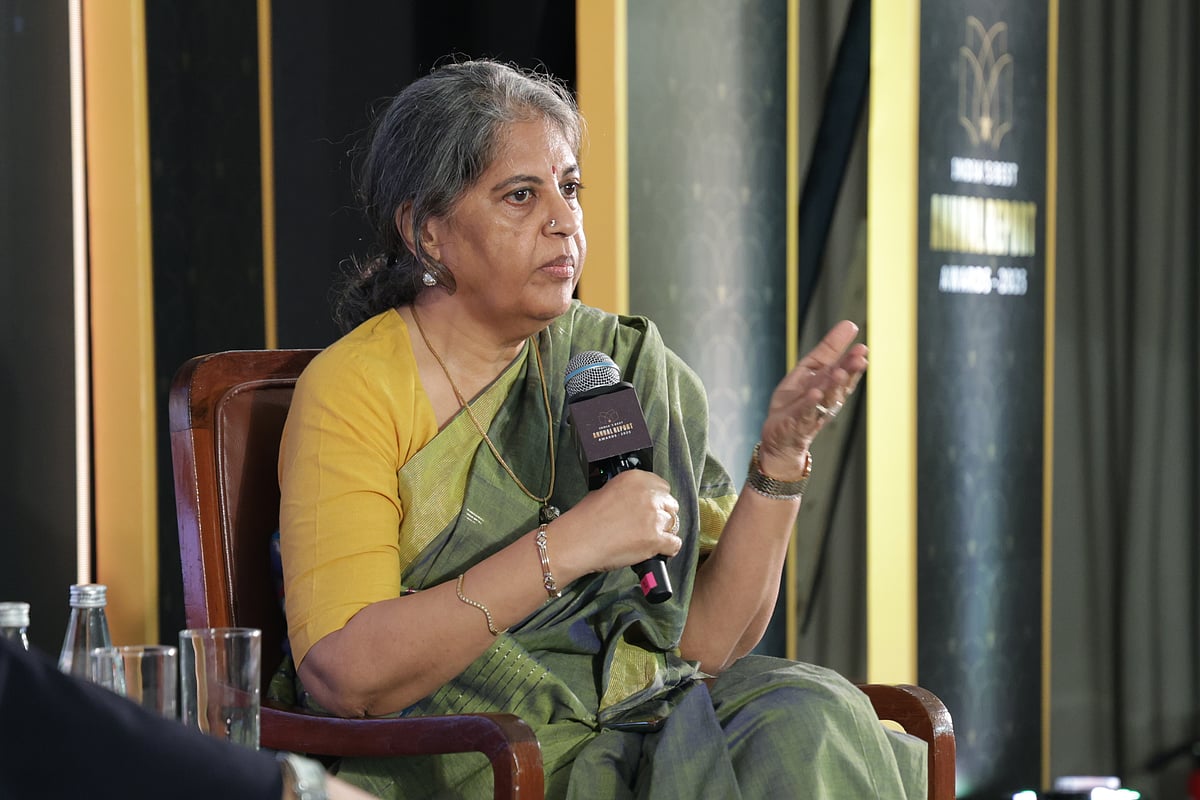
Mumbai: Corporate strategist, author and independent director Rama Bijapurkar shared her views on corporate governance and board effectiveness, saying strong boards are not just groups of individuals but collective teams that work together with honesty, clarity and shared responsibility.
“Effective boards are collective entities, not collections of individuals.”
Speaking during a conversation at the FPJ-CareEdge Annual Report Awards, Bijapurkar explained that effective boards are created when people from different professional backgrounds come together constructively and work as one unit. She said every board member brings a different way of thinking, whether from finance, law, management or strategy, and the real challenge is converting these different viewpoints into meaningful consensus.
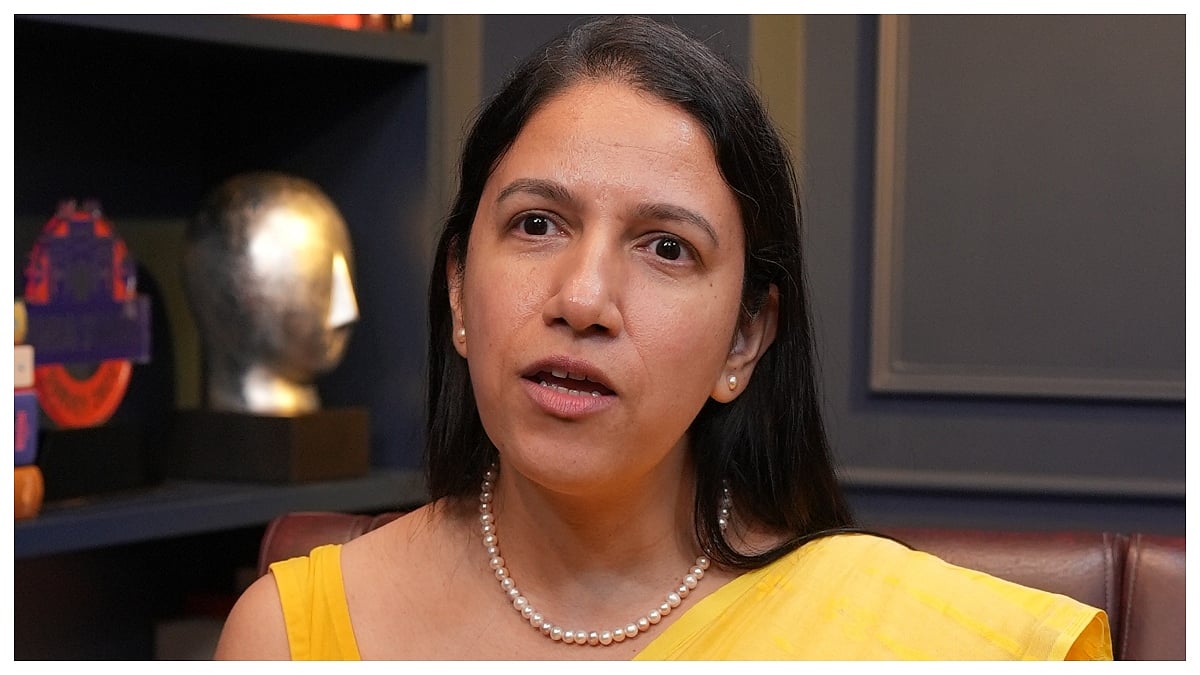
According to her, an effective board is not “a board of consultants” where each member gives separate advice to management. Instead, discussions should happen collectively inside the boardroom rather than through private conversations or “backchannel diplomacy” with company leaders.
She stressed that honest and candid discussions are one of the biggest signs of a healthy board. However, candid discussions do not mean conflict or arguments. “We can disagree without being disagreeable,” she said while explaining how boards should openly discuss difficult issues instead of avoiding uncomfortable topics.
Bijapurkar used the example of the “elephant in the room” to explain how some boards avoid discussing the most important issue even when everyone knows it exists. According to her, successful boards are the ones willing to directly address difficult questions rather than pretend everything is fine.
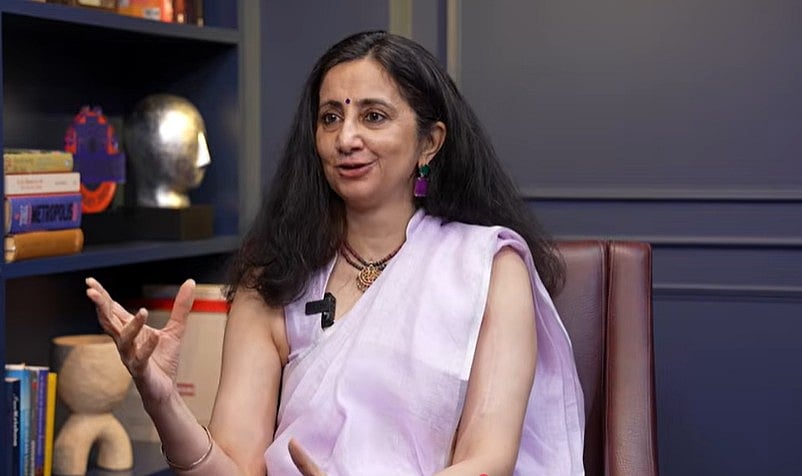
She also highlighted the importance of having the right mix of people on company boards. While directors do not need to know every detail about the business, she said boards must include people who understand the company’s core business and industry challenges. For example, she noted that a banking company should ideally have someone with banking expertise on its board.
Talking about governance standards in India, Bijapurkar said the law today gives independent directors enough authority and power to perform their responsibilities properly. According to her, the bigger question is not whether promoters accept independent directors, but whether independent directors themselves are willing to fully embrace their role.
She said independent directors need both “brain and spine” — meaning knowledge along with the courage to stand firm when necessary. “If you look for permission, it defeats the whole reason why you’re there,” she remarked.

On the issue of women representation on company boards, Bijapurkar said India is gradually seeing improvement, although gender diversity remains lower than desired. She believes the problem often begins with how nomination committees search for board members, as they usually rely on familiar networks that are still dominated by men.
She suggested that companies should adopt a more systematic process while selecting directors and ensure equal consideration for both men and women candidates. According to her, such an approach would naturally improve gender diversity on boards over time.

