
New Delhi: Sri Lanka is increasingly emerging as a new base for international telecom fraud and pig-butchering investment scams. According to a report by Ceylonnews24, organised cybercrime groups are shifting some of their operations to the island nation due to economic challenges and regulatory gaps.
The report said criminal networks that previously operated from countries such as Myanmar, Cambodia and Laos are now expanding into Sri Lanka. The country has reportedly become attractive because of lower scrutiny of foreign investments and cash inflows.
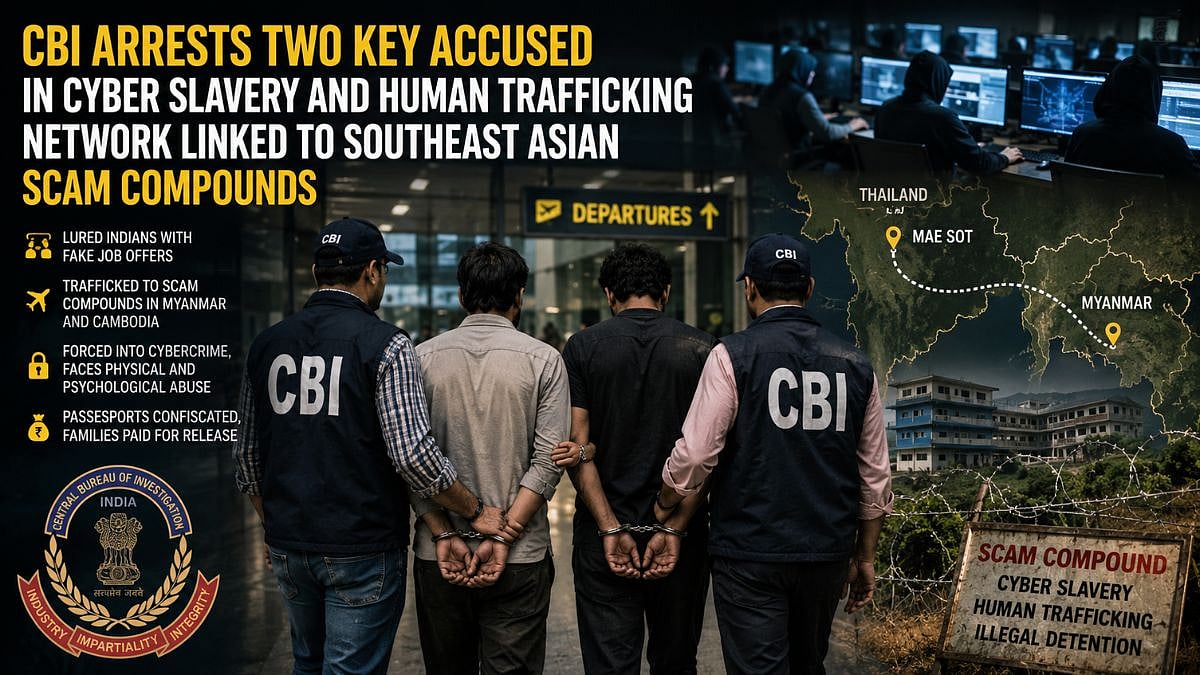
Several Raids Expose Scam Operations
Since mid-2024, Sri Lankan authorities have conducted multiple raids on suspected scam centres.
The Sri Lanka Police and the Criminal Investigation Department (CID) have uncovered several foreign-run operations across different parts of the country.
Major raids were carried out in Kandy, Panadura and Negombo. Authorities targeted luxury hotels and guest houses that were allegedly being used as bases for cybercrime activities.
Investigators seized hundreds of computers, mobile phones and SIM-box devices.
These devices can operate hundreds of SIM cards at the same time and are often used to make large numbers of fraudulent calls and messages.

Hundreds Arrested in Crackdown
One of the biggest operations took place in April 2026.
Authorities arrested 150 people at a luxury hotel in Ambakandavila. Those detained included 133 Chinese nationals, 13 Vietnamese nationals and one Malaysian citizen.
The arrests highlighted the growing international nature of these scam networks.
How the Scams Work?
The report said recruiters often advertise fake online marketing or data entry jobs on social media platforms.
People who accept these jobs are allegedly brought to the centres, where their passports are confiscated and they are forced to participate in scam operations.
Pig-butchering scams remain a major source of income for these groups. In such schemes, fraudsters build trust and sometimes romantic relationships with victims online before convincing them to invest money in fake investment platforms.
Scammers also use VPNs, phishing links and hacked social media accounts, including WhatsApp, to steal money. The report alleged that many of these operations are linked to international criminal syndicates based in Myanmar and Cambodia.

