
Mumbai: Silver prices have plunged nearly 58 percent from their January 2026 record high, raising concerns about a repeat of the historic crashes witnessed in 1980 and 2011. With prices hovering near USD 51 per ounce, investors are closely watching crucial support levels and signs of a possible recovery.
Silver has witnessed a dramatic reversal after touching a record high of USD 121.67 per ounce on COMEX on January 29, 2026.
By October 30, prices had slipped towards USD 51, marking a decline of approximately 58 percent from their peak.
The sharp correction has revived comparisons with two of the biggest collapses in silver's history.
Sharp Selloff
Silver fell below USD 55 in July before witnessing a temporary recovery. However, renewed selling pressure pushed prices lower in October.
During the week ended October 23, COMEX silver declined approximately 5.76 percent, compared with a 4.05 percent fall in gold.
1980 Collapse
Silver reached approximately USD 49.45 per ounce in January 1980 before suffering a devastating collapse.
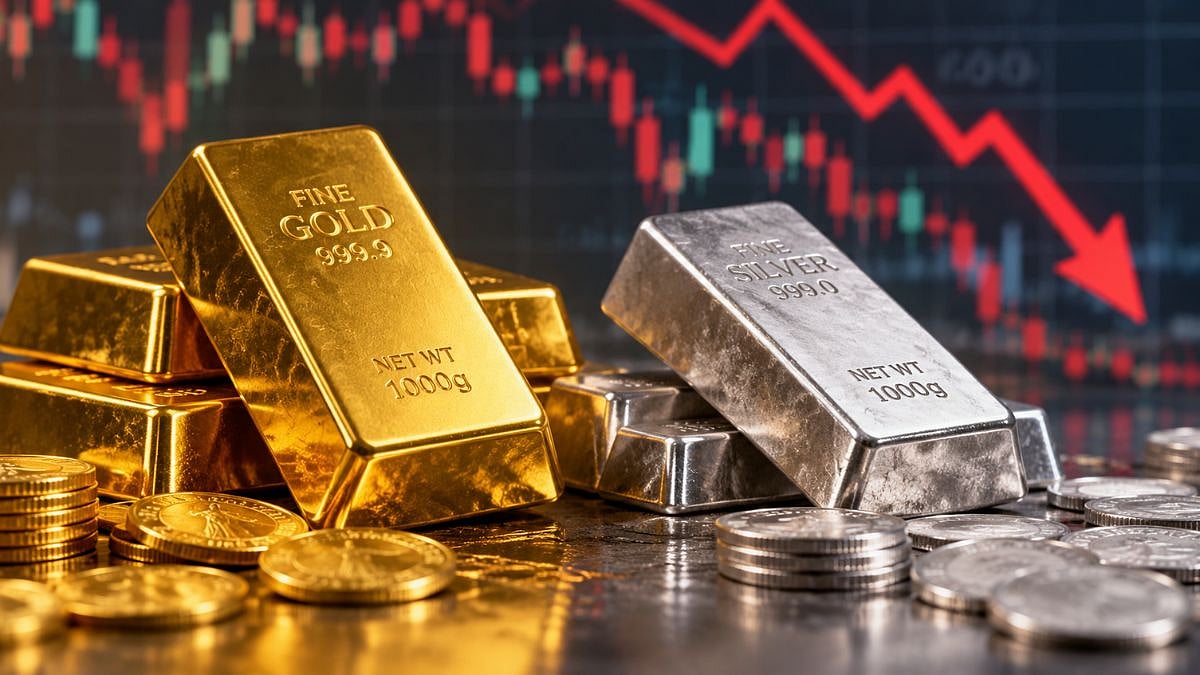
Prices subsequently declined nearly 90 percent over the following years, wiping out much of the earlier gains.
2011 Crash
A similar pattern emerged in April 2011 when silver touched approximately USD 48.70 per ounce.
By June 2013, prices had fallen towards USD 18, eventually reaching approximately USD 13 in November 2015.
The metal subsequently remained under pressure for several years.
Crucial Levels
Technical indicators suggest silver has entered oversold territory following the steep correction.
On October 28, silver traded approximately 25 percent below its 200-day moving average.
Silver Price Crucial Support Levels
COMEX silver | USD per troy ounce | October 30, 2026

The USD 50–53 range remains an important near-term support zone, while USD 48–49 could attract attention if selling intensifies.
Recovery Chances
A weaker dollar, improved industrial demand and renewed investor buying could support a recovery.
Short-covering may also trigger temporary rebounds following heavy selling.
However, historical crashes do not guarantee another collapse. Silver's next direction will depend on global economic conditions, interest rates and market sentiment.

