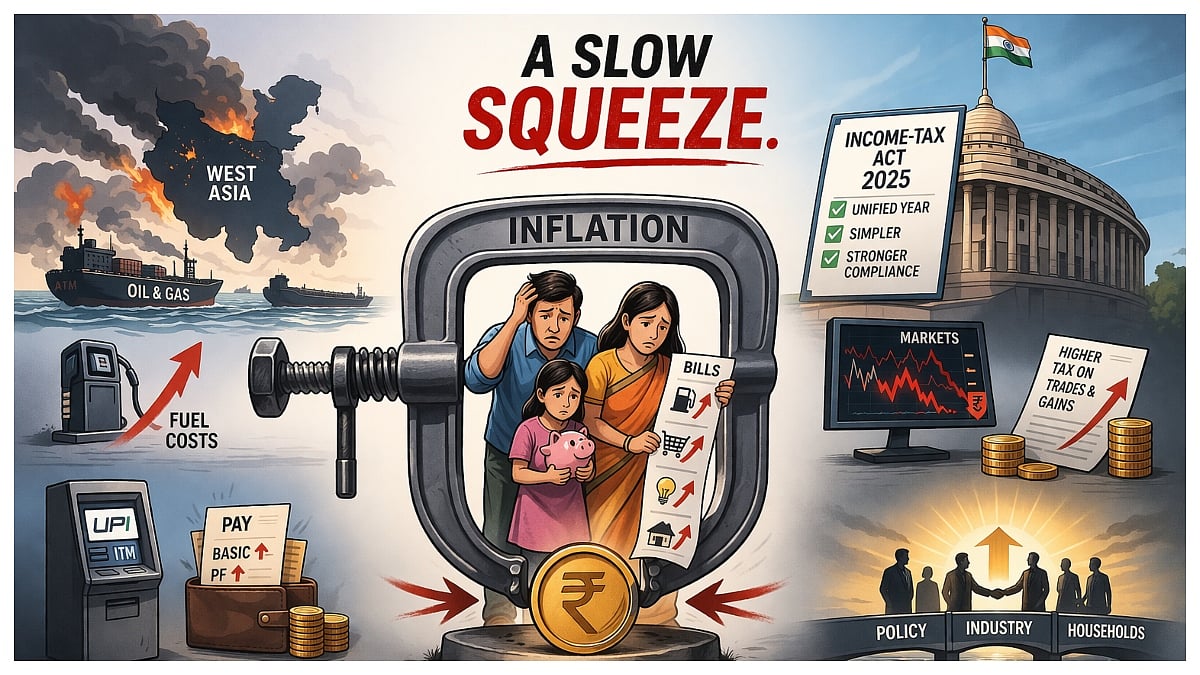
Mumbai: A financial year seldom begins with such subdued unease. As India steps into April 1, 2026, it does so under the long shadow of a distant conflict whose consequences are anything but remote. What unfolds in West Asia is no longer contained by geography; it is seeping steadily into balance sheets, markets, and the fragile arithmetic of everyday life.
Lives and livelihoods, once anchored in routine certainty, now drift within a widening field of economic tension.
At the centre of this shift stands the new Income-tax Act, 2025—an overdue attempt to replace opacity with order. The introduction of a unified “tax year” promises coherence, yet also ushers in a sterner regime of compliance. Taxation is no longer episodic; it is evolving into a continuous discipline, where transparency is matched by scrutiny.
But reform arrives at an inopportune hour.
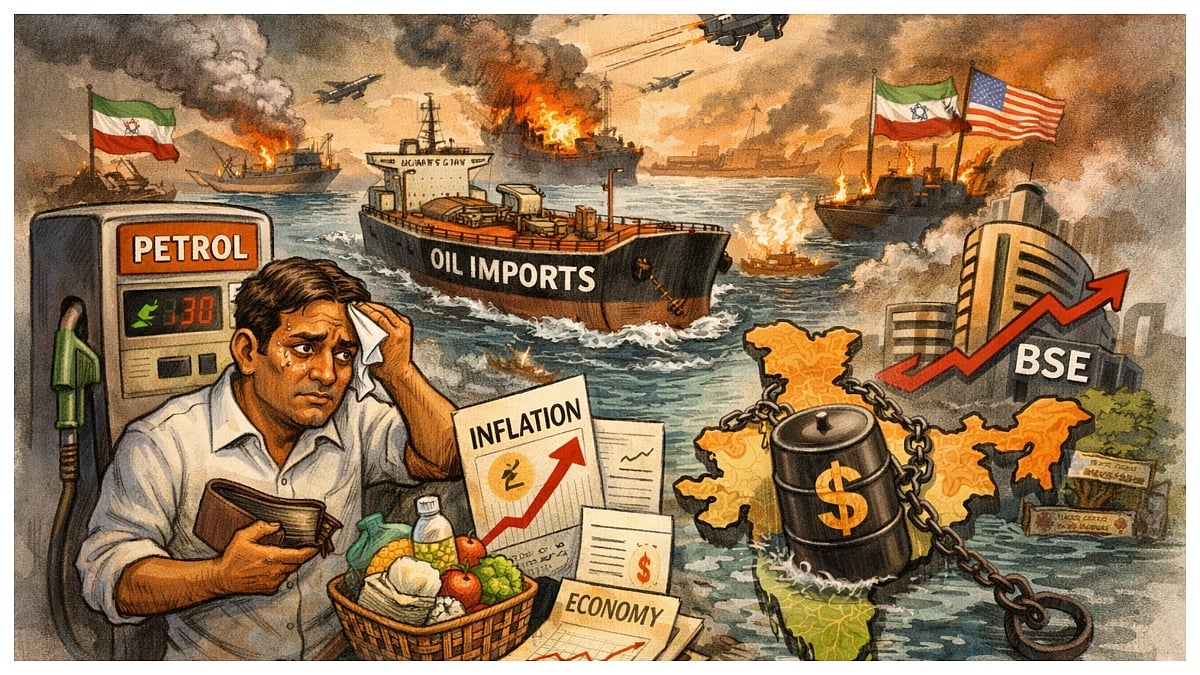
Energy, the silent driver of inflation, is once again unsettled. With the Strait of Hormuz strained, the flow of crude and liquefied gas—on which India depends heavily—faces disruption. The implications are immediate and unrelenting: higher fuel costs, costlier logistics, and a renewed inflationary pulse that presses quietly but persistently upon households.
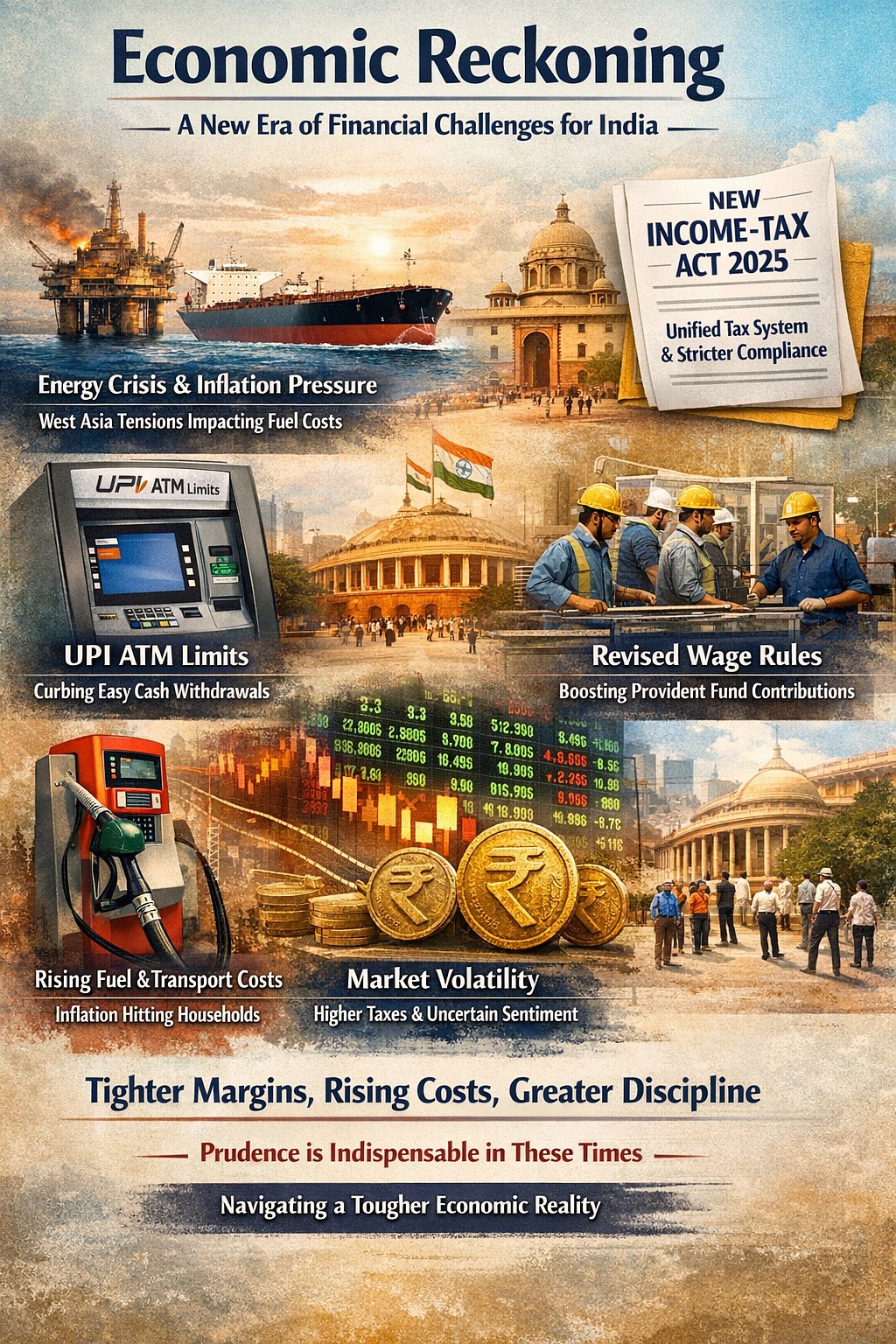
Even the mechanics of daily finance are shifting. Revised ATM rules, with UPI-linked withdrawals counted within transaction limits, signal the subtle pricing of access to one’s own liquidity. Banking convenience, long taken for granted, now edges towards monetisation.
Meanwhile, structural changes in wage definitions redraw the contours of income itself. By mandating that basic pay comprise at least half of total salary, provident fund contributions will rise—fortifying long-term security while compressing immediate take-home pay. It is a rebalancing of time: the future gains ground, the present yields.
Markets, sensitive to every tremor of uncertainty, have already begun to recalibrate. Higher securities transaction taxes on derivatives may temper speculative excess, while adjustments in capital gains and buyback taxation could reshape investor appetite. Volatility is no longer episodic; it is becoming structural.
Beyond India, the crisis is tightening its hold on global supply chains. Tankers stall, freight premiums surge, fertiliser shipments falter. The spectre of food inflation looms once more, threatening to convert global disruption into domestic discomfort.
India remains resilient, but resilience is not immunity.
This new financial year is not merely a procedural transition; it is a moment of economic testing. It demands sharper coordination from policymakers, greater agility from industry, and renewed prudence from households.
For in this convergence of conflict, reform, and rising costs, the question is no longer how economies expand—but how societies endure.
What emerges is not a singular crisis, but a gradual compression—of margins, expectations, and financial flexibility.
India’s resilience remains intact, yet resilience must now be actively stewarded. Policymakers would be well advised to engage industry, logistics networks, and financial institutions in coordinated response, recognising that stability in such times cannot be achieved in isolation.
For this moment extends beyond fiscal arithmetic.
It touches the lived realities of millions—where economics is no longer theoretical, but tangible in every transaction, every rising bill, every deferred decision. And in such an environment, prudence is not merely wise—it is indispensable.

