
India must develop larger, resilient and internationally competitive financial institutions to achieve its ambition of becoming a developed economy by 2047, former Reserve Bank of India (RBI) Governor Shaktikanta Das said on Tuesday, Oct 27.
Addressing a media summit in Mumbai, Das, currently Principal Secretary-2 to the Prime Minister, emphasised strengthening the country's financial architecture.
He said the consolidation of public sector banks over the past decade had created a foundation for institutions capable of financing complex projects and absorbing global economic shocks.
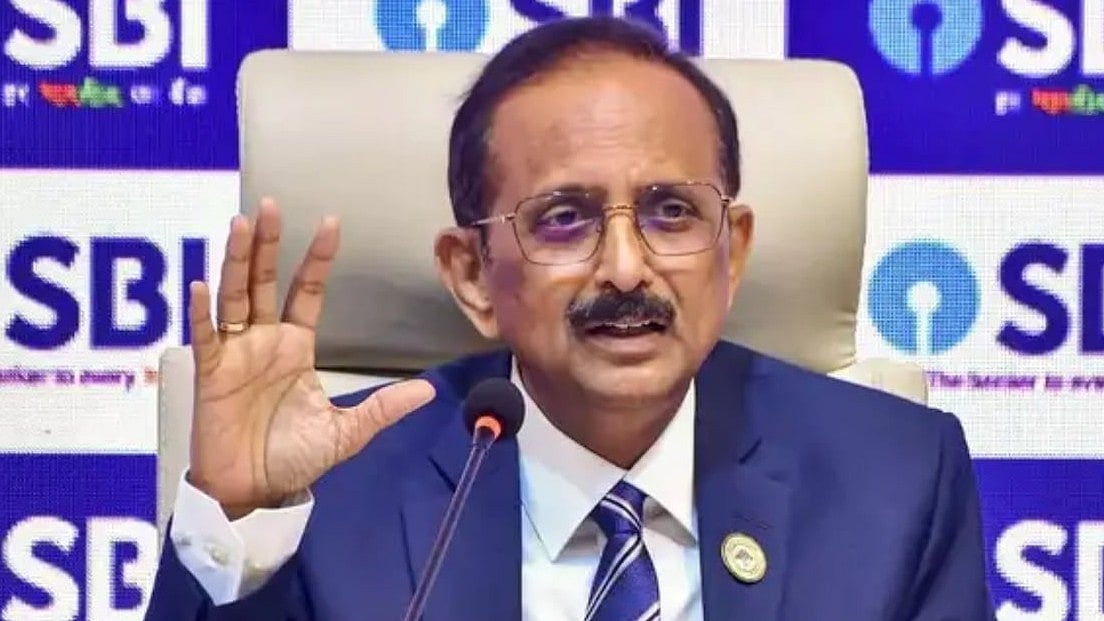
India Needs Larger Banks To Finance Infrastructure And Strategic Sectors
Das said India's credit market must expand substantially to support infrastructure development, energy transition, advanced manufacturing and urbanisation.
He urged financial institutions to move beyond conventional corporate lending and focus on long-term capital formation.
Greater financing for semiconductors, advanced electronics and defence manufacturing would help reduce dependence on imports, he said.
Das also highlighted the importance of expanding credit availability in tier II and tier III cities and rural areas, particularly for agriculture and small businesses.
However, he stressed that lending expansion must be accompanied by prudent risk management.
Green finance should receive greater attention, with investment directed towards renewable energy infrastructure, green hydrogen and digital carbon markets.
Das Calls For Deeper Corporate And Municipal Bond Markets
Alongside stronger banks, Das advocated developing a more liquid corporate bond market to diversify business financing.
He said increased public bond issuances could attract retail and institutional investors, improve price discovery and broaden market participation.
Das also called for strengthening municipal bond markets to finance urban infrastructure projects.
Municipal authorities would need better governance, accounting systems and financial capacity to attract investors.
Financial institutions could support local bodies in developing commercially viable projects and accessing capital markets.
Highlighting improvements in banking sector health, Das said Indian lenders had strengthened their capital positions, profitability and asset quality since the pandemic.
Gross non-performing assets (GNPAs) of scheduled commercial banks declined to a multi-decadal low of 1.8% in March 2026.
Net NPAs also fell to 0.4%, reflecting improved balance sheet conditions across the banking system.

