
Mumbai: Securities and Exchange Board of India (SEBI) Chairman Tuhin Kanta Pandey on Saturday outlined a series of measures aimed at reducing the compliance burden on stockbrokers, improving market efficiency and strengthening investor protection.
Speaking at the Association of National Exchanges Members of India’s (ANMI) 16th International Convention 2026 in Mumbai, themed “Redefining Tomorrow’s Markets”, Pandey highlighted three key areas: graded compliance for stockbrokers, a more streamlined digital compliance system and a clear framework for the use of artificial intelligence (AI).
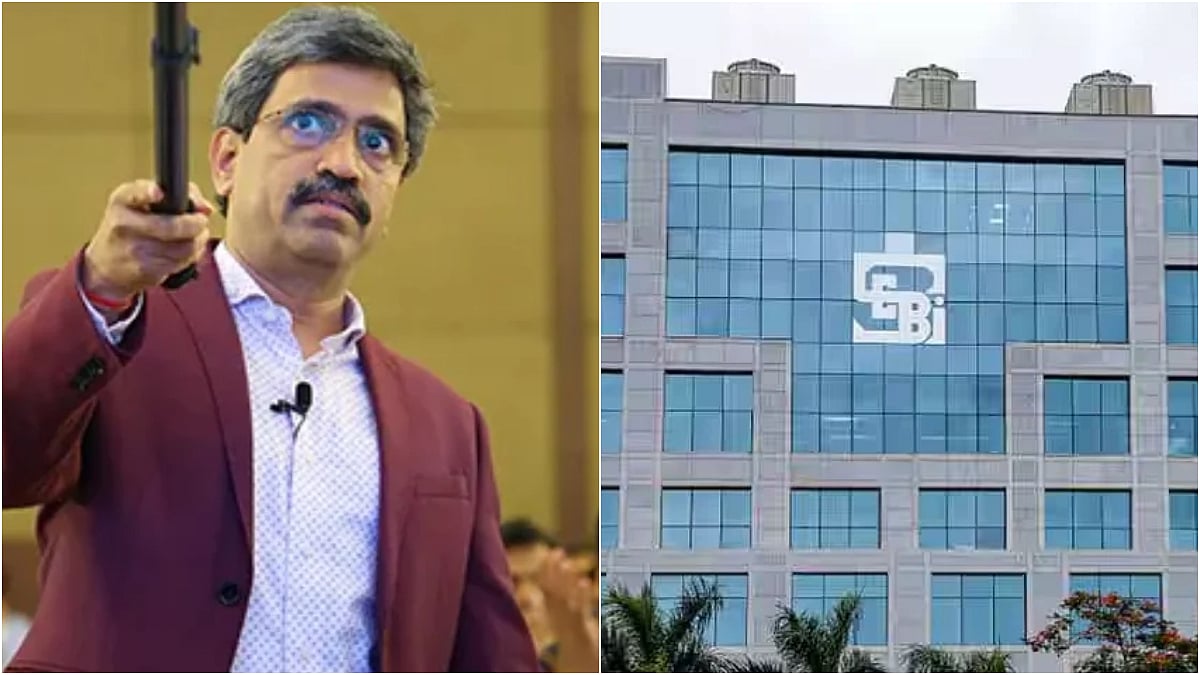
SEBI’s gift for stockbrokers: Graded compliance
SEBI is exploring a graded compliance system for stockbrokers, under which regulatory requirements would reflect the size of their business, client exposure and dependence on technology.
“For stockbrokers, we are exploring graded compliance. It would reflect your scale, your client exposure, and your reliance on technology,” Pandey said.
The move is aimed at improving capital efficiency and reducing the compliance burden on brokers. SEBI is also planning to extend the automated give-up and take-up facility to custodial clients, including portfolio management services (PMS) and alternative investment funds (AIFs), in the cash market segment.
Under this system, brokers’ own funds would not remain blocked while they wait for confirmation from custodians, helping them use their capital more efficiently.
SEBI is also reviewing short selling and securities lending and borrowing to improve market liquidity and price discovery. In addition, it is developing a market-making framework to encourage more secondary market trading in corporate bonds.
As part of the next phase of Demat 2.0, tokenised corporate bonds are expected to trade in the secondary market, with the aim of improving liquidity, reducing settlement risks and enabling faster access to funds.
Compliance 2.0: Moving towards a digital system
SEBI is working to bring its inspection portals together into a single digital workflow. The move is expected to make the inspection and supervision process faster and more consistent.
The regulator is also developing a framework to prevent the misuse of trading terminals, which are used to place and manage stock market orders.
A unified digital process could help simplify regulatory interactions for market participants while allowing SEBI to strengthen its oversight of the securities market.

SEBI reiterates its focus on responsible AI
SEBI is finalising guidelines for the responsible use of artificial intelligence in the securities market. The proposed framework will follow a tiered approach, with safeguards based on the level of risk involved.
Pandey said the guidelines would include clear accountability, data controls, emergency shutdown mechanisms, or “kill switches”, and human oversight. The approach will be aligned with the International Organization of Securities Commissions’ (IOSCO) AI-related toolkit.
SEBI is also exploring an AI sandbox, where new tools and applications can be tested in a controlled environment. This would allow innovators to test new technologies with greater regulatory clarity while ensuring that appropriate safeguards are in place.
Simpler access for global investors
Beyond these three areas, SEBI is looking to make it easier for global investors, including non-resident Indians (NRIs), to invest in Indian markets. The proposed measures include digital onboarding, simpler Know Your Customer (KYC) procedures and reduced paperwork, while retaining necessary safeguards.
Pandey said these initiatives were aimed at building a market that is simpler, deeper and safer for investors and market participants.
“Tomorrow’s markets are not something we wait for; we build them,” he said.

