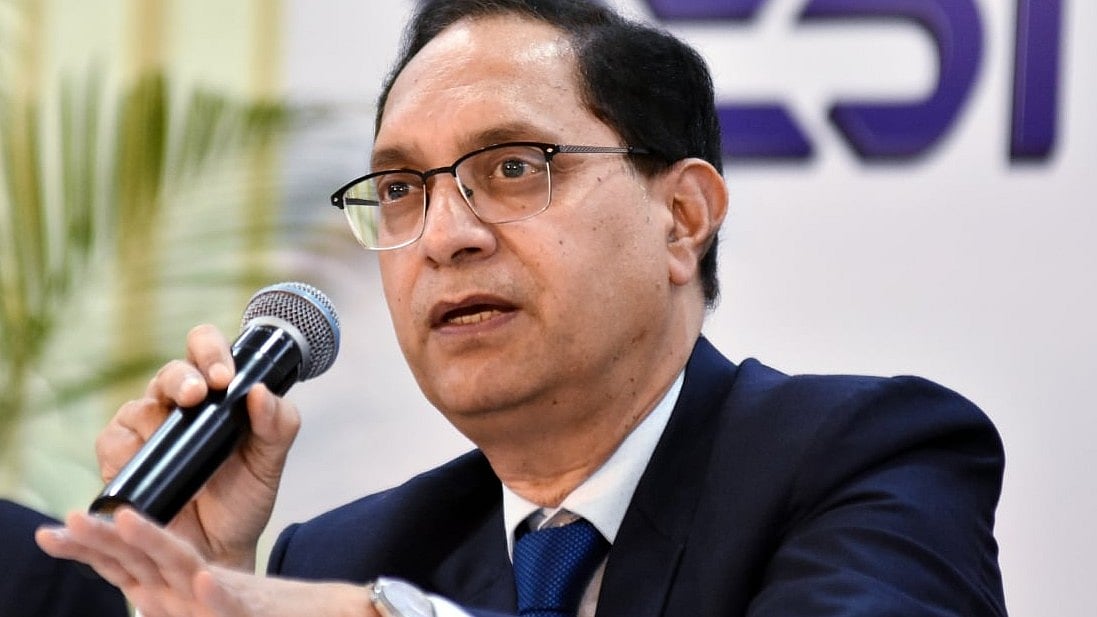
SEBI Chairman Tuhin Kanta Pandey on Thursday said the markets regulator would review concerns raised by stockbrokers regarding the newly introduced Merchant Discount Rate (MDR) structure for UPI transactions.
Speaking at the NaBFID Infrastructure Conclave 2026, Pandey acknowledged the issues highlighted by brokers and said the regulator would examine them.
"Some important issues raised and we will look into concerns," Pandey said.
The comments came after several brokerage firms raised concerns about the possible financial impact of MDR charges on stockbroking operations. Under the revised UPI framework, payments made to stockbrokers and dealers will attract an MDR of 0.02%, with a maximum cap of Rs 300 per transaction from October 15.
Brokers raise concerns over additional costs
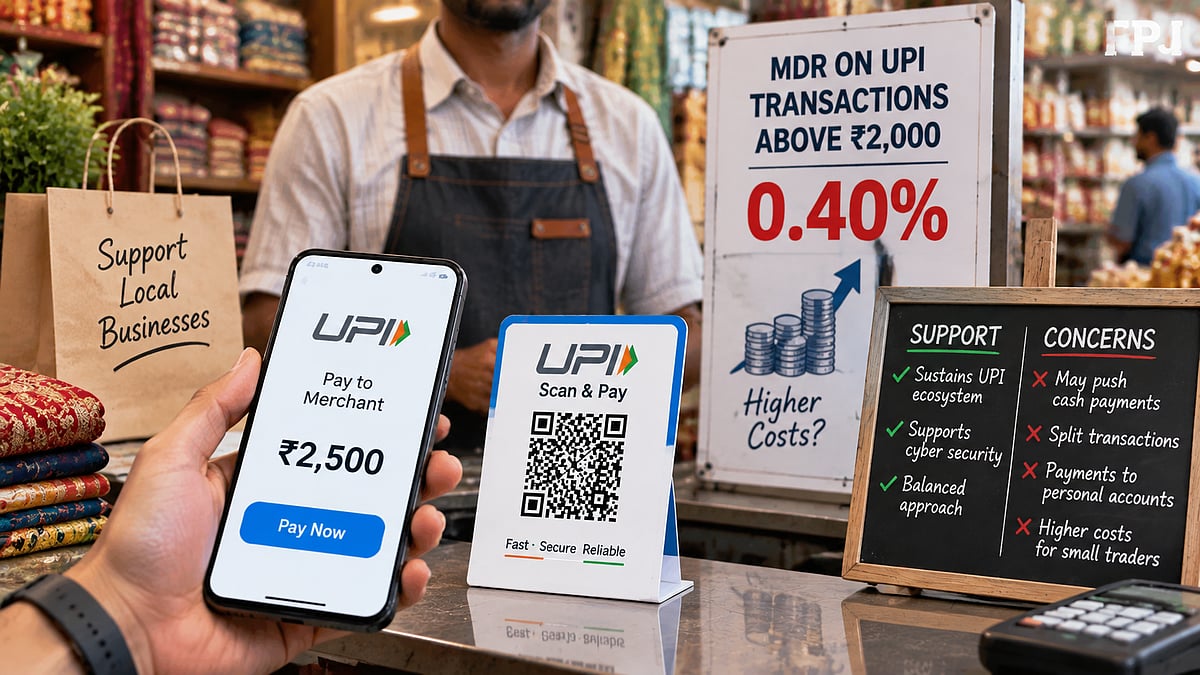
While the MDR applicable to capital-market transactions is significantly lower than the 0.4% charge proposed for eligible merchant payments above Rs 2,000, brokers have questioned the way the fee would apply.
The main concern is that brokers may have to bear the cost whenever customers transfer funds into their trading accounts, even if those funds are not used for executing any transaction.
Since the MDR is charged on the payment movement rather than the revenue earned from trades, repeated fund transfers could increase operational expenses for brokerage firms.
Zerodha flags impact on broking industry
Zerodha co-founder Nithin Kamath has also highlighted the issue, stating that brokers could incur UPI-related costs when customers add money to their accounts but do not subsequently place trades.
Kamath has suggested that the cap for broking-related UPI transactions should be reduced to limit the financial burden on brokers.
The introduction of MDR on selected UPI transactions is aimed at creating a sustainable revenue framework for digital payments. However, the stockbroking industry has sought clarity on how the charges will apply and whether modifications are needed to prevent unnecessary costs arising from non-trading fund transfers.

