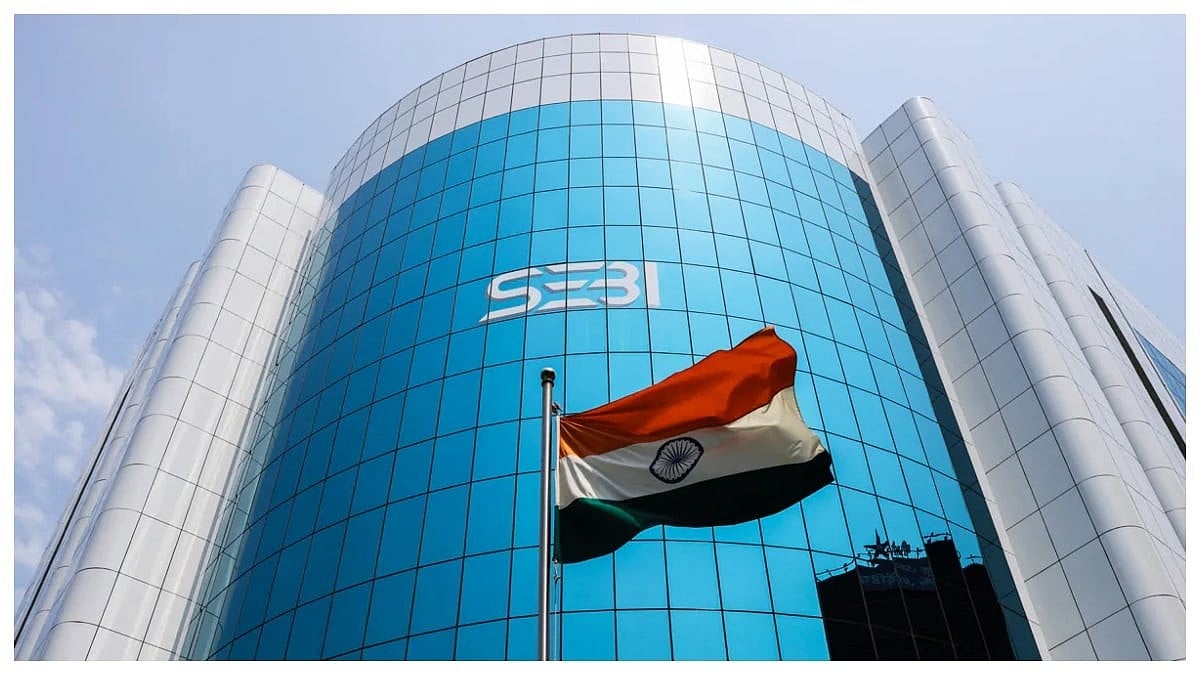
The Securities and Exchange Board of India (SEBI) and stock exchanges are reportedly preparing a framework to identify and delist inactive companies with little or no genuine business activity.
As per a report by Moneycontrol, the proposed exercise aims to protect retail investors from potential market manipulation and fraudulent transactions involving companies that remain listed despite limited operations.
Nearly 270 companies across two stock exchanges could face scrutiny, the report said.

Stock exchanges are examining several indicators to identify potentially inactive companies, including market capitalisation below Rs 10 crore, profitability, net worth, shareholding patterns and unusual short-term share price movements.
The proposed parameters remain under discussion and have not been finalised.
Once exchanges prepare preliminary lists, officials are expected to physically inspect registered offices and business premises to establish whether the companies conduct genuine operations.
Companies that cannot be located at their registered addresses and meet other identification criteria could receive notices seeking explanations for retaining their listings.
Unsatisfactory responses may lead to delisting proceedings under the Securities Contracts (Regulation) Rules (SCRR).
As per the report, approximately 250 companies on one exchange and another 20 on a second exchange could come under examination.
Inactive listed companies can potentially be exploited for pump-and-dump schemes, where operators artificially inflate share prices before selling their holdings, leaving other investors exposed to losses.
Authorities are also concerned about reverse mergers that could allow businesses to enter the listed market through inactive companies instead of conventional listing procedures.
Another potential risk involves transactions designed to generate artificial long-term capital gains or losses for tax purposes.
The proposed scrutiny seeks to prevent companies without meaningful operations from retaining listing benefits while exposing public shareholders to financial risks.
SEBI Chairman Tuhin Kanta Pandey recently indicated that the regulator was examining measures to address inactive listed entities.
He emphasised concerns about allowing companies with negligible business activity to remain publicly traded when doing so could harm shareholder interests.

