
The Russian government has announced a ban on the export of aviation fuel until November 30, 2026, in a move aimed at protecting domestic fuel supplies, Reuters reporterd.
The decision was announced on Monday, with authorities stating that the primary objective is to maintain stability in Russia's internal fuel market.
According to the government, the export restriction is designed to ensure that adequate fuel remains available for domestic consumers and industries.
Fuel security has become an increasingly important issue for many countries as global energy markets continue to face disruptions caused by geopolitical tensions, supply chain challenges and fluctuating demand.
By limiting exports, Russia aims to reduce the risk of shortages and prevent excessive price volatility within its own market.
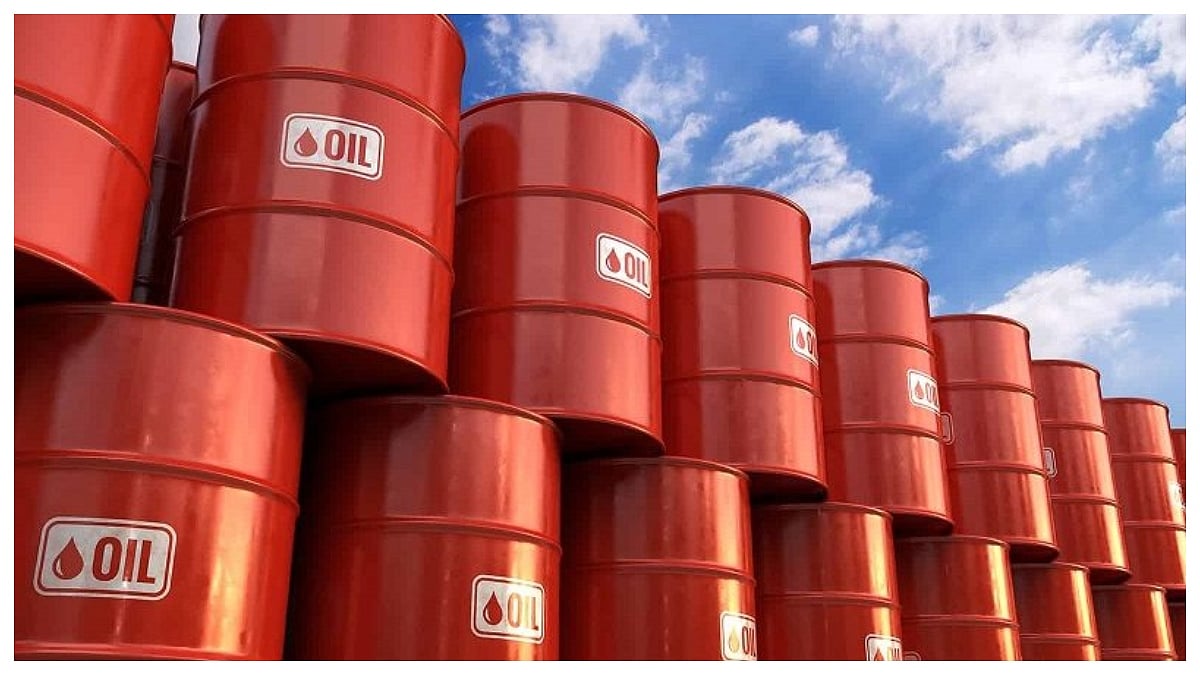
Government Cites Market Stability
In its official statement, the Russian government said the measure was introduced specifically to support stability in the domestic fuel sector.
Authorities did not provide further details on the volume of fuel affected by the ban or whether any exemptions would apply.
However, the move reflects a broader trend among energy-producing nations seeking to prioritise domestic consumption during periods of market uncertainty.
Russia is one of the world's major energy producers, and decisions related to fuel exports are closely watched by global markets.
Any restriction on exports can influence supply dynamics, particularly in sectors that rely heavily on refined petroleum products.
While the immediate impact on international aviation fuel markets remains unclear, traders and industry participants are expected to monitor developments closely.
Energy Market Volatility Continues
The export ban comes at a time when energy markets remain sensitive to geopolitical developments and shifts in global demand.
Governments across several countries have taken steps in recent years to secure local energy supplies and shield domestic consumers from sharp price increases.
Russia's latest decision highlights the continued focus on fuel availability and market stability as policymakers navigate an uncertain global economic and energy environment.
The aviation sector, airlines and fuel traders are likely to assess the implications of the export restriction in the coming months as the policy remains in effect until the end of November 2026.

