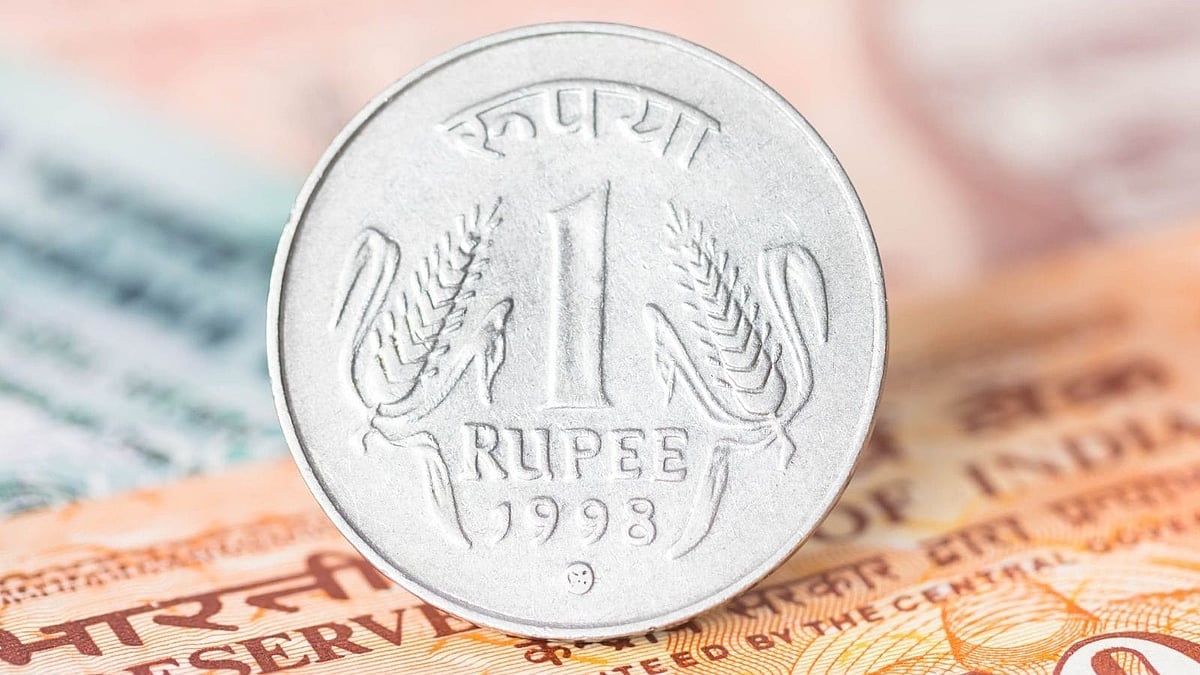
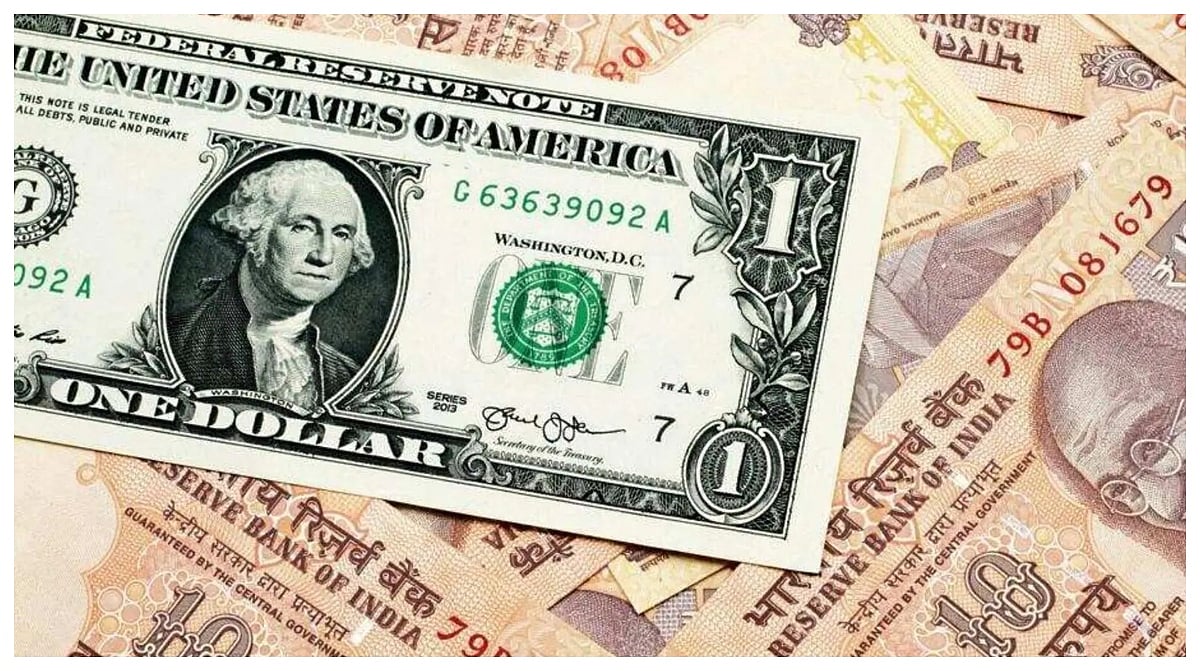
New Delhi: The Indian rupee has fallen to a record low, crossing the 93 mark for the first time in history. It dropped to 93.24 against the US dollar, down 0.65 percent. This is lower than its earlier record of 92.63. Since the start of the US-Iran conflict, the rupee has weakened by nearly 2 percent.
Global Crisis Behind Fall
The main reason for the fall is rising global tension in the Middle East. The conflict has pushed crude oil and gas prices higher. Brent crude touched around USD 119 per barrel. As oil becomes expensive, the demand for dollars increases, putting pressure on the rupee.
What Becomes Cheaper?
A weak rupee can make some things cheaper. Indian exports become more competitive in global markets. Sectors like IT services, medicines, and basmati rice may benefit as their prices become attractive for foreign buyers.
Money sent from abroad also becomes more valuable in India. Additionally, India becomes a cheaper destination for foreign tourists.
What Becomes Costlier?
On the other hand, imports become more expensive. India will have to pay more for crude oil, LPG, and LNG. Electronic items like mobile phones and laptops may also become costly.
Imported cars, gold, and silver prices are likely to rise. Education abroad will also become more expensive as students will need more rupees to pay in dollars.
Rupee May Fall Further
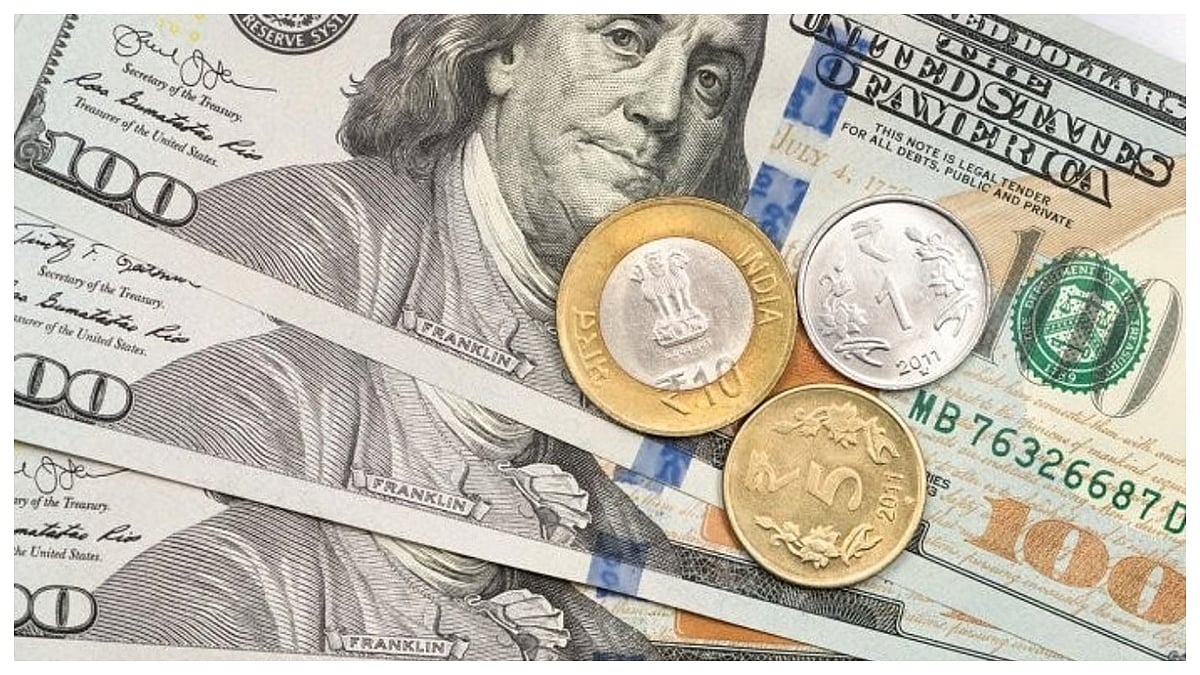
Experts believe the rupee could weaken further. Some estimates suggest it may fall to 95 against the dollar if the war continues and oil prices remain high. This shows that risks to the currency are still present.
Impact On Economy
A weaker rupee can increase inflation in India. Higher import costs may push prices up across sectors. It may also slow economic growth and increase interest rates on loans, affecting consumers and businesses.
