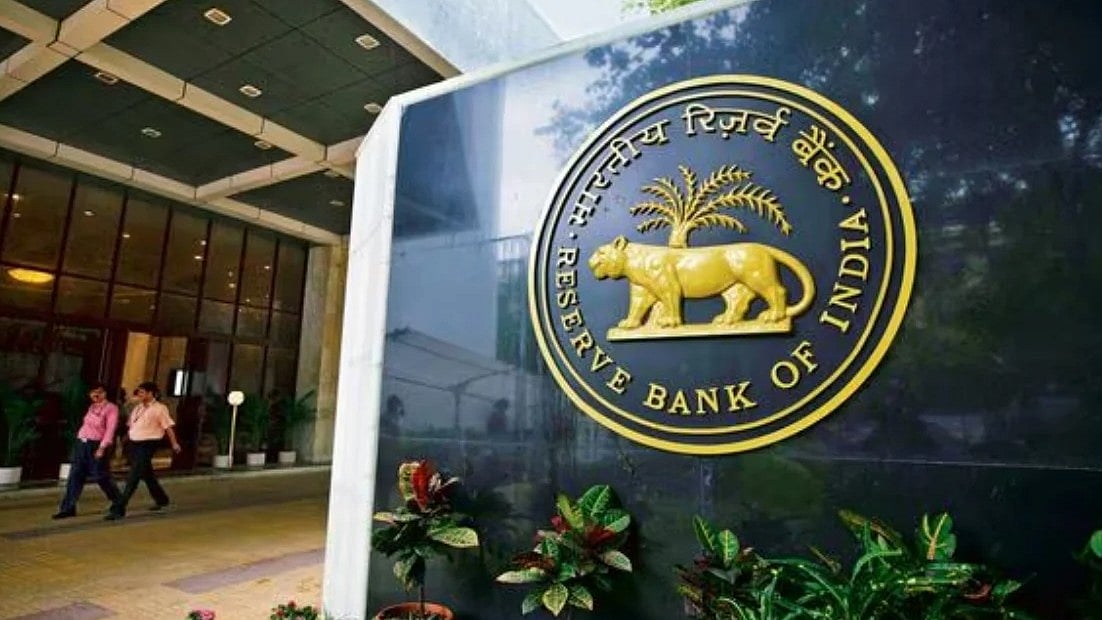
India’s central bank has renewed its push for a cryptocurrency policy that leans towards prohibition, citing concerns over financial stability, monetary sovereignty and risks associated with privately issued digital assets, according to government documents reviewed by Reuters.
According to a report by Reuters based on official documents, key government agencies remain cautious about allowing wider cryptocurrency adoption, even as India continues to operate in a regulatory grey zone.
The country has not yet finalised a policy framework to either ban or regulate virtual digital assets (VDAs).
Cryptocurrencies have remained accessible in India since the Supreme Court overturned the Reserve Bank of India’s restrictions on banks dealing with crypto-related businesses in 2018.
A proposed bill to ban private cryptocurrencies in 2021 was never introduced in Parliament, while discussions on a formal framework have been repeatedly delayed.
The government has maintained that any policy must balance innovation with concerns around financial stability, consumer protection and monetary control.
The RBI has consistently highlighted risks from cryptocurrencies and has again argued that policies favouring prohibition may be required.
The central bank has suggested that banks and financial institutions should not be allowed to hold, trade or gain exposure to cryptocurrencies and privately issued stablecoins to prevent risks spreading through the financial system.
The RBI has also raised concerns over stablecoins, warning that foreign currency-backed tokens could challenge domestic monetary control, while rupee-backed digital tokens could affect government revenue from issuing fiat currency.
Meanwhile, India’s tax authorities have flagged difficulties in monitoring cryptocurrency transactions, particularly those conducted through offshore exchanges and private wallets.
According to the report, fewer than one-fourth of the 645,000 individuals who carried out crypto transactions during the financial year ended March 2023 reported them in their income tax filings.
The tax department said overseas transactions, peer-to-peer trading and limited transparency make it difficult to identify beneficiaries and recover applicable taxes.
It also highlighted challenges in valuing crypto assets due to price volatility and the absence of standard valuation methods.
Despite regulatory uncertainty, cryptocurrency adoption remains significant in India. Tax department estimates suggest nearly 39 million crypto traders held around $2.1 billion worth of digital assets by the end of May.
Globally, several countries have moved towards regulated cryptocurrency frameworks, while nations such as China have imposed restrictions.
In India, authorities continue to evaluate the risks and benefits before deciding on a comprehensive policy approach.

