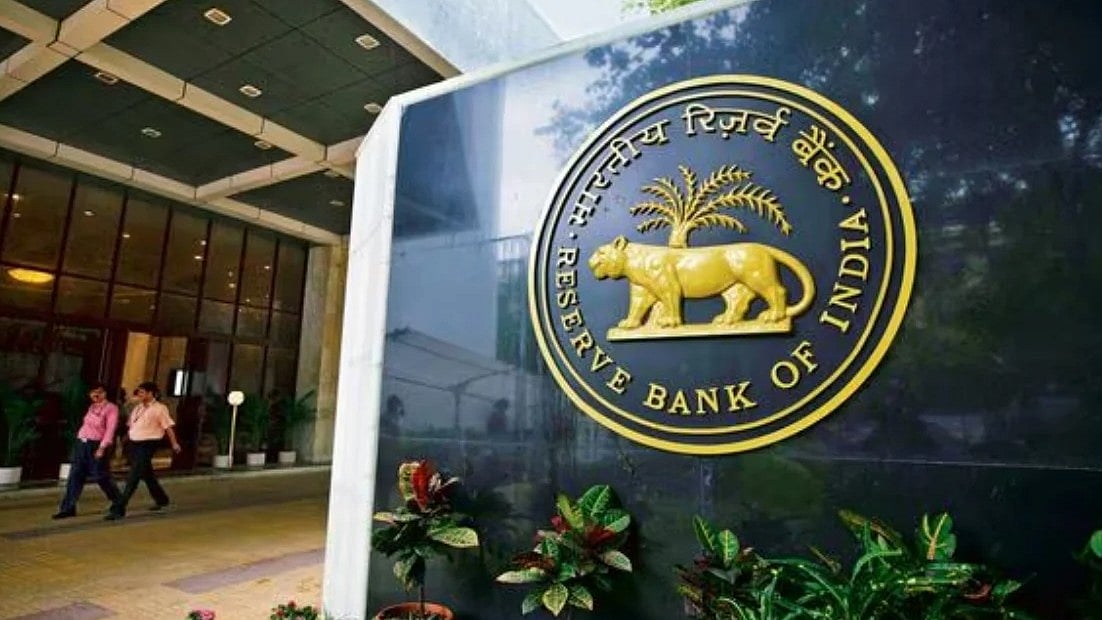
The Reserve Bank of India (RBI) has reiterated its opposition to the legalisation of virtual digital assets (VDAs), including cryptocurrencies, warning a Parliamentary panel that such instruments pose significant risks to financial and monetary stability, particularly in emerging economies like India.
The RBI’s views were presented during a meeting of the Parliamentary Standing Committee on Finance, which is examining a “Study on Virtual Digital Assets and the Way Forward.”
The committee, chaired by BJP MP Bhartruhari Mahtab, is also reviewing the progress of India’s Central Bank Digital Currency (CBDC), or the digital rupee.
According to reports, the RBI highlighted that while it is advancing its own sovereign digital currency initiatives, privately issued cryptocurrencies present complex regulatory, taxation, and enforcement challenges.
It pointed to global examples, noting that countries like China and Qatar have banned such assets, while regions like Europe allow them under strict regulatory frameworks.
The central bank also expressed concerns that digital assets could be misused for illegal activities such as terror financing and narcotics trafficking.
It further warned that monitoring offshore crypto platforms is particularly difficult, creating enforcement gaps for regulators.
During the session, the committee also interacted with representatives from the Institute of Chartered Accountants of India (ICAI), which advocated for a comprehensive legal framework for VDAs.
ICAI suggested a principle-based regulatory approach and recommended developing detailed guidance on recognition, measurement, presentation, and disclosure of digital assets in financial statements.
ICAI also proposed undertaking extensive research on different types of VDAs to better understand their economic characteristics and improve accounting clarity and compliance standards.
Following the meeting, the committee chair noted that the RBI continues to oppose the legalisation of VDAs while supporting regulated digital currency alternatives like the digital rupee.
He also observed that adoption of India’s CBDC has been slower compared to privately issued digital assets.
The panel acknowledged the need for balanced policy intervention—aimed at encouraging digital financial innovation while safeguarding consumers, financial institutions, and the broader economy.
Discussions are expected to continue as India evaluates its long-term regulatory framework for digital assets.

