
The Reserve Bank of India (RBI) has introduced changes allowing banks to offer varying interest rates on bulk deposits depending on their specific run-off rates under the liquidity coverage ratio (LCR) framework.
The revised rules, announced through an RBI notification on July 30, will apply to both domestic rupee deposits and deposits held by non-resident Indians.
The central bank clarified that the fundamental guidelines governing bulk deposits will remain unchanged.
Under the existing framework, banks are required to offer the same interest rates on bulk deposits to all customers and branches without any discrimination.

The RBI has maintained this requirement while permitting banks to differentiate rates based on liquidity considerations linked to LCR parameters.
The notification also stated that banks must publish their bulk deposit interest rates every day by 10 am, with an additional grace period of 10 minutes.
The regulatory changes come shortly after HDFC Bank faced scrutiny over allegations related to payments made to the Maharashtra State Road Development Corporation (MSRDC) for securing bulk deposits.
Reports had claimed that HDFC Bank paid around Rs 45 crore to MSRDC under the category of “marketing spends” to attract deposits.
The interest rate offered to MSRDC was reportedly 6.01%, significantly higher than the bank’s regular savings deposit rate of 3.5%, creating a difference of nearly 2.5%.
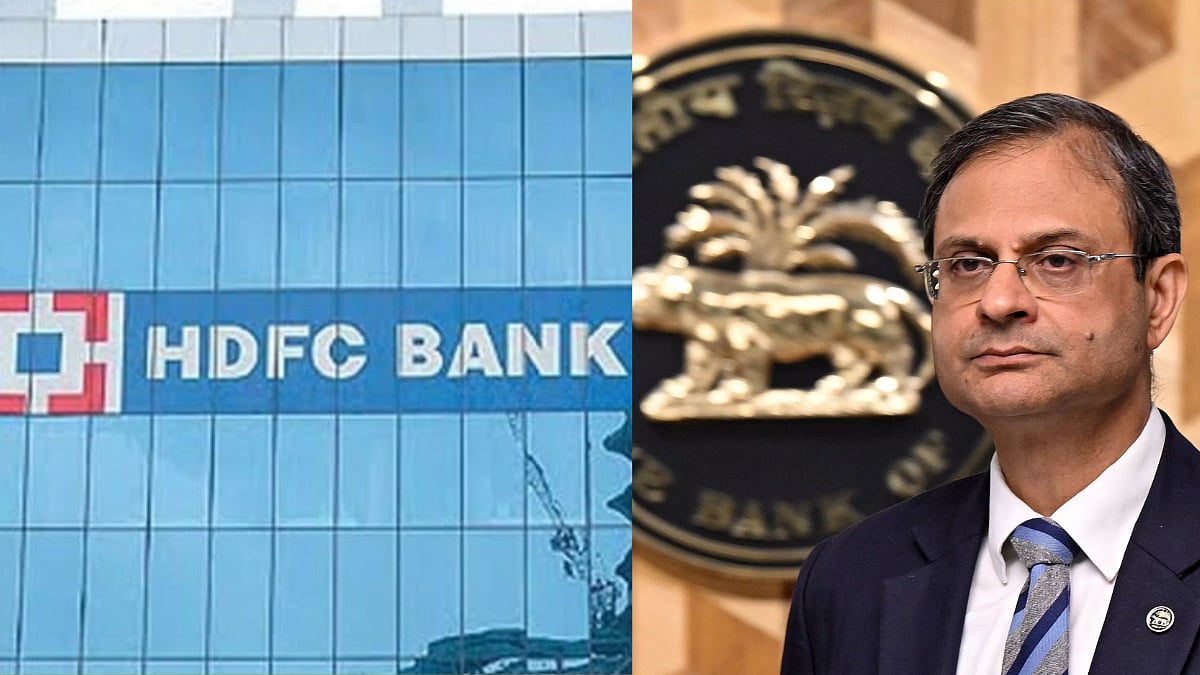
Following an internal investigation, HDFC Bank’s board issued warning letters and imposed financial penalties of Rs 1 lakh each on three senior executives, including Managing Director and CEO Sashidhar Jagdishan, Chief Financial Officer Srinivasan Vaidyanathan and Group Head of Retail Assets Arvind Vohra.
The RBI’s latest clarification provides banks with greater flexibility in determining bulk deposit rates while ensuring that pricing practices remain transparent and aligned with liquidity risk management requirements.
The move is expected to help banks better manage deposit-related risks under the LCR framework while maintaining regulatory oversight over customer treatment and interest rate disclosures.

