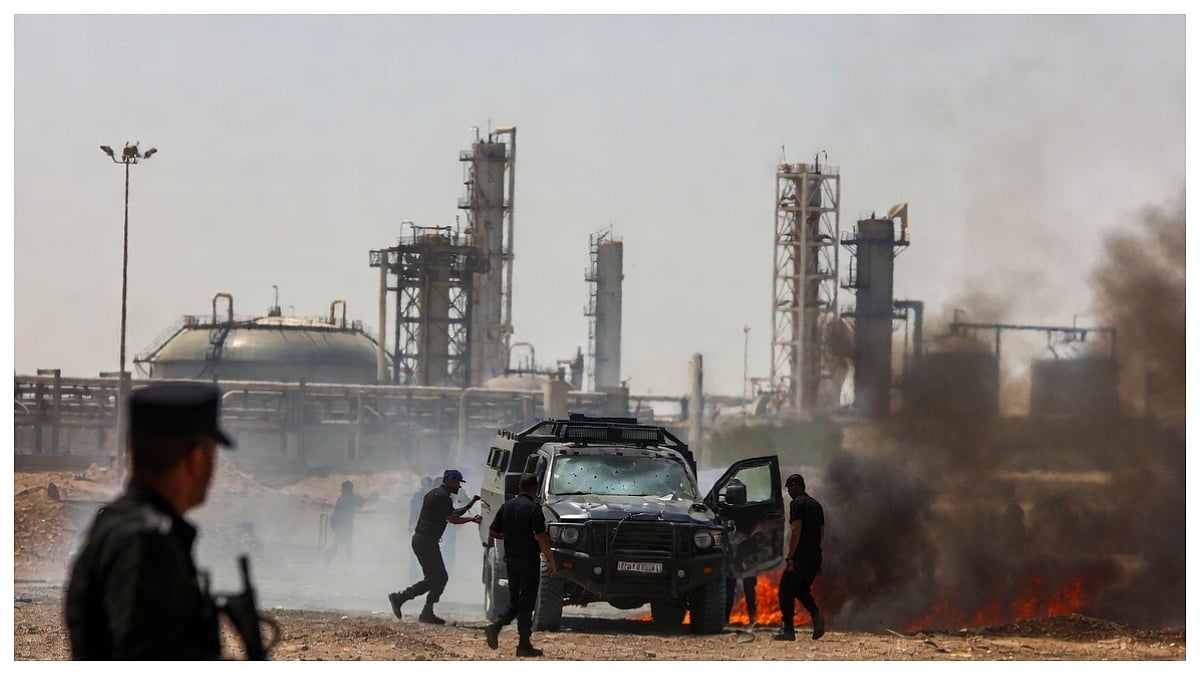
New Delhi: The ongoing conflict in West Asia has sharply increased global tensions. After attacks involving the US, Israel, and Iran, the situation has worsened. Iran targeted key energy sites, including Qatar’s Ras Laffan LNG plant, causing serious concerns about global energy supply. Crude oil prices have crossed USD 110 per barrel, and LNG supply has been disrupted.
Attack On South Pars Sparked Escalation
The situation worsened after Israel attacked the South Pars Gas Field. This is one of the world’s largest gas reserves, shared by Iran and Qatar. The attack shocked many, as even the US was reportedly not informed in advance.
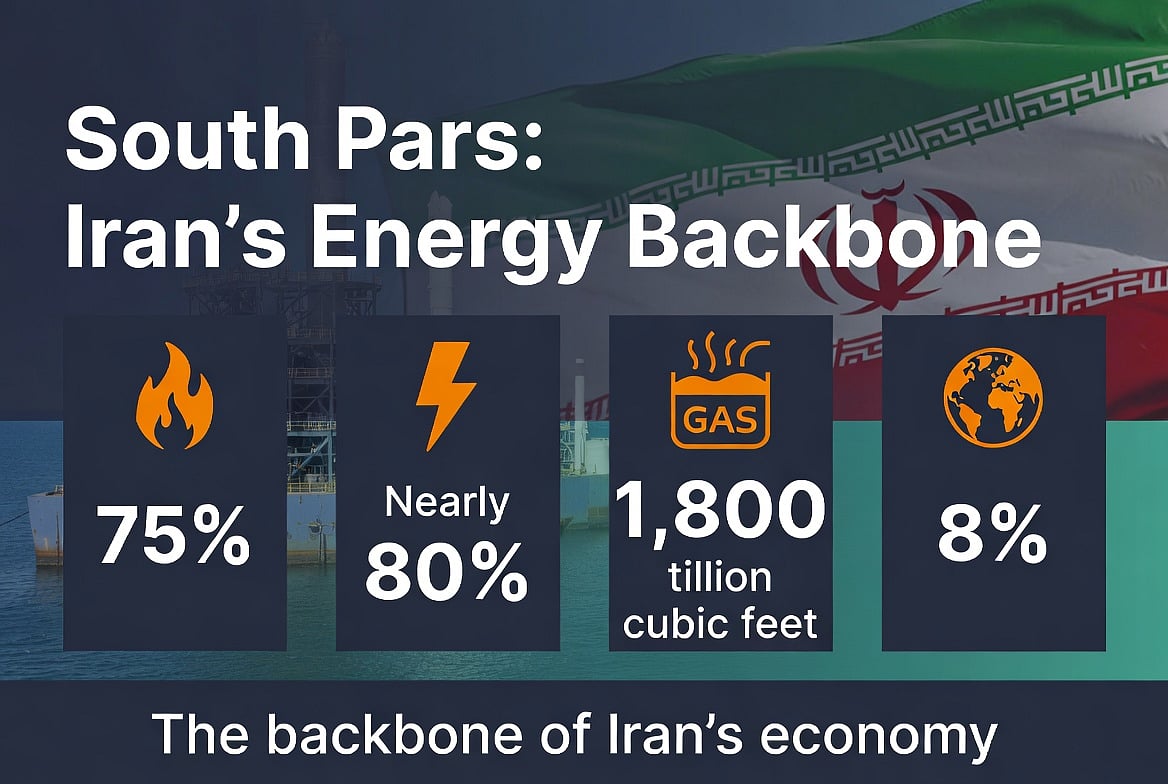
South Pars is extremely important for Iran. It produces about 75 percent of the country’s gas and supplies nearly 80 percent of its electricity. It holds around 1,800 trillion cubic feet of gas, about 8 percent of global reserves. This makes it the backbone of Iran’s economy.
After this attack, Iran responded by targeting energy infrastructure across the Gulf, including Qatar.
Why Ras Laffan Is So Important?
Ras Laffan Industrial City in Qatar is one of the world’s most important energy hubs. It has the largest LNG export terminal globally and supplies nearly 20 percent of the world’s LNG demand.

The facility includes major projects like LNG plants, refineries, gas processing units, and power plants. It is located about 80 km north of Doha and spreads across a huge industrial area. The port there is one of the largest man-made ports in the world.
An attack on such a key hub has shaken global energy markets.
Oil Prices And Supply Chain Under Pressure
After the attack, oil prices jumped above USD 110 per barrel. There are also growing fears about the Strait of Hormuz, a key route for global energy transport. Any disruption here can impact oil and gas supply worldwide, increasing prices and uncertainty.
Big Impact On India
India is highly dependent on imported energy. Around 50 percent of its natural gas needs come from imports, and about 20 percent of this comes from Qatar. In 2025, India imported 24–25 million tonnes of LNG, making it one of the world’s largest buyers.
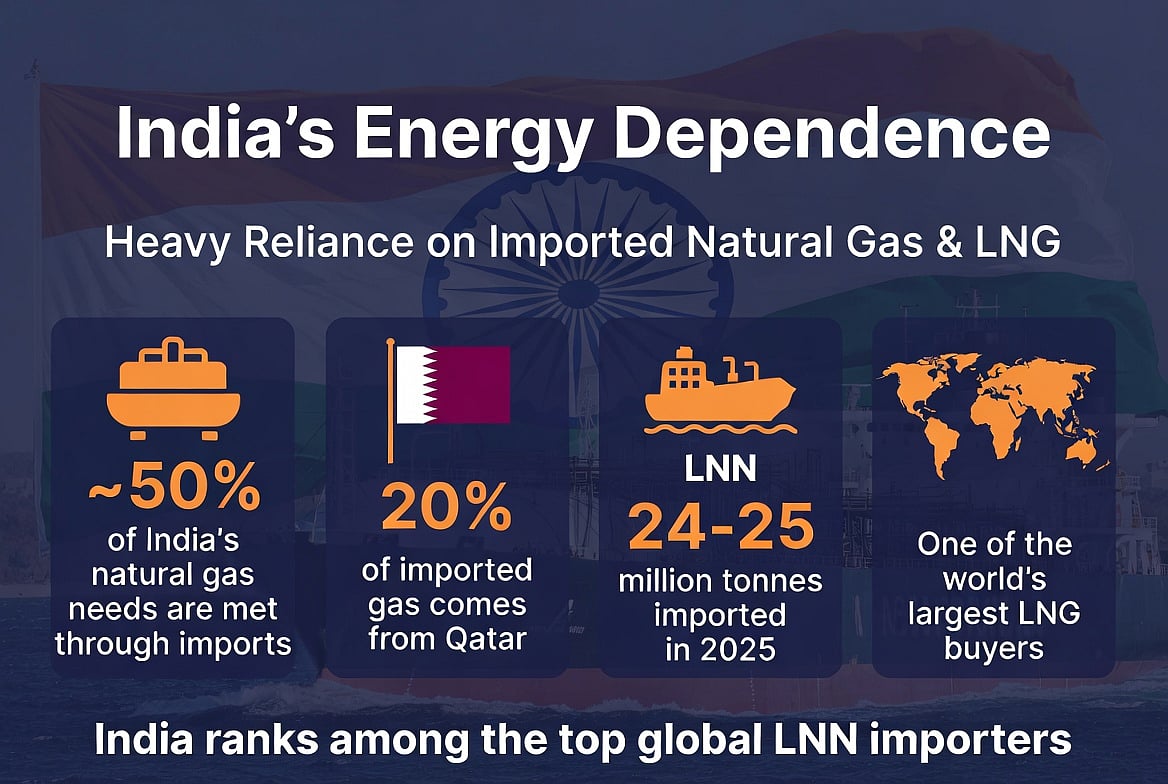
LNG shipments from Qatar and the UAE pass through the Strait of Hormuz, which is now a conflict zone. If supply is disrupted, India may face higher energy prices, power shortages, and slower industrial growth.
Global Fear And Uncertainty
The conflict has created fear across global markets. While it is unclear what the long-term outcome of the war will be, the immediate impact on energy supply and prices is already visible. The crisis highlights how dependent the world is on the Gulf region for energy.

