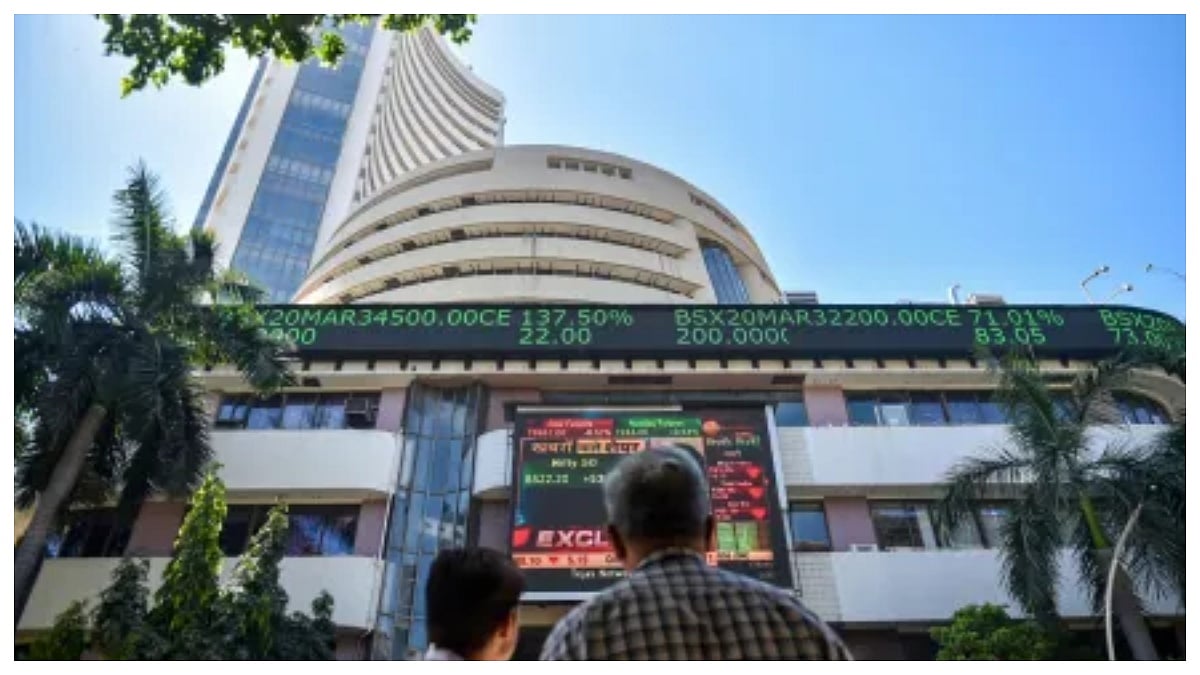
New Delhi: Indian stock markets are heading into a busy and important week as several key events are expected to influence investor sentiment. Analysts said quarterly earnings, the US Federal Reserve’s interest rate decision, and expectations around the Union Budget 2026–27 will be the main drivers of market movement.
Equity markets will remain closed on Monday due to the Republic Day holiday. Trading will resume on Tuesday.

Budget 2026 in focus
Finance Minister Nirmala Sitharaman will present the Union Budget on February 1. On this day, both the NSE and BSE will remain open for live trading, even though it falls on a Sunday. As the Budget approaches, markets are expected to become more cautious and selective.
Q3 earnings season gathers pace
The earnings season will gain momentum this week with results from large companies such as Axis Bank, L&T, Maruti Suzuki, ITC, NTPC, and Bajaj Auto. Analysts said these results will provide better clarity on corporate performance and future growth trends.
Global cues remain important
On the global front, investors will closely track the US Federal Reserve’s interest rate decision, along with key US economic data and global trade developments. Any changes in the Fed’s stance could impact global markets, including India.
Rupee, FPI flows add pressure
The rupee hit a record low of 92 against the US dollar last week, adding to market concerns. Foreign Portfolio Investors (FPIs) continued heavy selling, driven by a weak rupee, uncertainty over the US-India trade deal, and mixed Q3 earnings so far.

Pre-Budget positioning and technical factors
Experts said the shortened trading week could see short-covering and mild rebounds due to oversold conditions and pre-Budget positioning. However, volatility is expected to remain high.
What markets expect from the Budget
Investors are hoping for fiscal discipline, with the fiscal deficit expected around 4.2–4.3 percent of GDP. Markets are also looking for higher capital spending on infrastructure, defence, and railways, modest tax relief, support for MSMEs and exporters, and reforms to strengthen capital markets.

