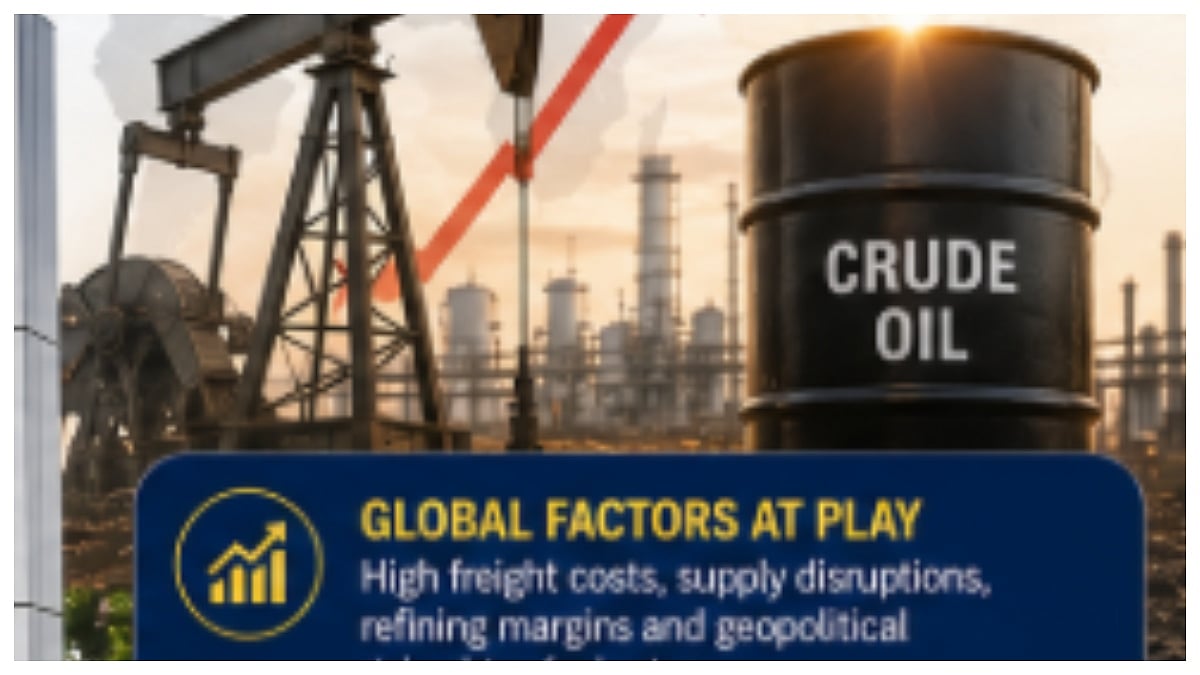
Mumbai: Public sector oil marketing companies (OMCs) are emerging as major economic stabilisers as global crude oil prices remain high due to rising tensions in West Asia. Despite international oil markets witnessing sharp volatility, fuel prices in India have remained relatively controlled, helping reduce inflationary pressure on consumers and businesses.
Economists say petrol and diesel prices directly affect many sectors such as transport, logistics, agriculture, manufacturing and consumer goods. Any sharp increase in fuel prices usually raises the cost of daily essentials and services. However, India’s state-run fuel retailers have helped prevent a major rise in domestic inflation by maintaining price stability even as Brent crude prices crossed USD 120 per barrel.
Industry estimates indicate that public sector fuel companies have absorbed significant financial pressure in recent months to protect consumers from sudden price shocks. Experts say international fuel prices are currently influenced not only by crude oil rates but also by higher freight charges, supply shortages, supply chain disruptions, rising refining costs and geopolitical risks.
Market analysts believe the role played by public sector OMCs has become especially important during the current global uncertainty. By balancing business challenges with national economic priorities, these companies have helped maintain smooth fuel supply across the country.
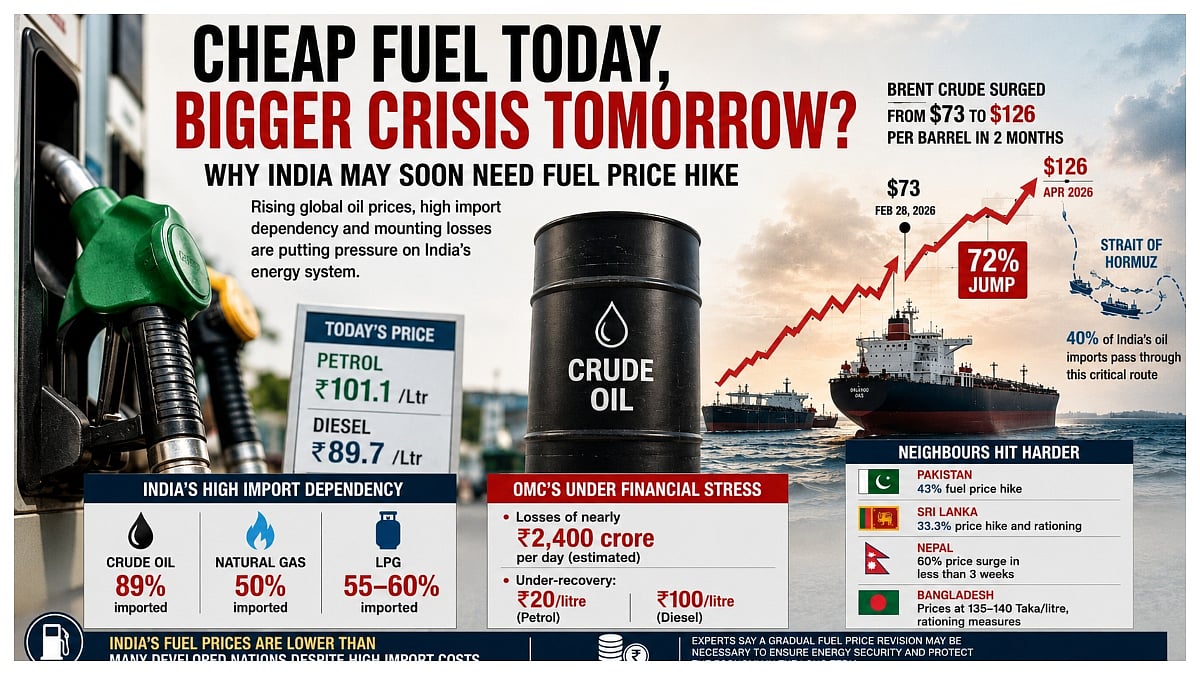
Stable fuel prices have also supported important sectors including food transportation, public transport, mining, construction and small businesses. Experts note that controlled fuel costs have prevented a wider rise in operational expenses across industries and helped reduce pressure on household budgets.
Industry observers further say the situation underlines the strategic importance of India’s public sector energy system. Apart from ensuring fuel availability across urban and rural markets, these companies are also acting as a buffer against extreme global energy market fluctuations.
With global energy markets expected to remain uncertain in the near term, analysts believe domestic fuel retailers will continue focusing on supply stability, operational resilience and careful market management to support India’s economic growth and inflation control.

