
New Delhi: The PM Street Vendor’s Atma Nirbhar Nidhi (PM SVANidhi) scheme is a central government programme designed to support street vendors across India. It helps vendors restart and expand their small businesses by providing easy and affordable loans.
The scheme was launched to strengthen livelihoods, encourage self-reliance, and bring street vendors into the formal financial system.
Bigger Reach and More Beneficiaries
According to an official statement, the restructured PM SVANidhi scheme now aims to benefit 1.15 crore street vendors, which includes 50 lakh new beneficiaries. This expansion will allow many more vendors to access formal credit for the first time.
The scheme’s lending period has been extended till March 31, 2030, giving vendors a longer window to avail loans and grow their businesses. The total government outlay for the scheme stands at Rs 7,332 crore.
Cabinet Approval and Key Changes
On August 27, 2025, the Union Cabinet, chaired by Prime Minister Narendra Modi, approved the restructuring and extension of the PM SVANidhi scheme beyond December 31, 2024.
One major change is the increase in loan amounts. Under the revised structure:
- The first loan has been increased to Rs 15,000 from Rs 10,000
- The second loan has been raised to Rs 25,000 from Rs 20,000
- The third loan remains at Rs 50,000

Digital Credit and Cashback Benefits
A key new feature is the introduction of a UPI-linked RuPay Credit Card. This card will be given to vendors who repay their second loan on time. It will help them access credit instantly for urgent business or personal needs.
To promote digital payments, vendors can also earn cashback incentives. They can get up to Rs 1,200 per year on regular digital sales and up to Rs 400 on digital wholesale purchases.
Wider Coverage and National Recognition
The scheme’s coverage is being expanded beyond statutory towns to census towns and peri-urban areas, allowing more vendors to benefit.
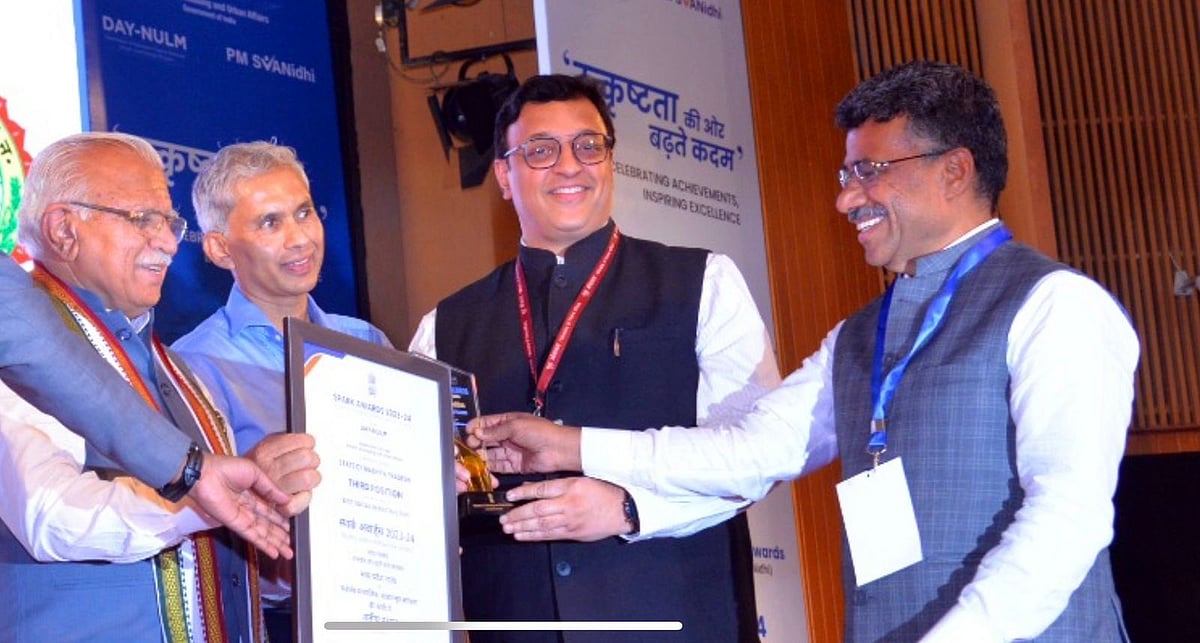
PM SVANidhi has also received national awards for innovation, digital transformation, and its role in boosting livelihoods, financial inclusion, and digital empowerment across the country.
