Mumbai: Businesses replacing servers, laptops and networking equipment may be retiring technology that still has useful work left to do. An upgrade often reflects changing business needs or replacement policies, rather than a device becoming unusable.
This distinction is encouraging a broader view of IT lifecycle management, where repair, refurbishment and reuse can come before disposal.
IT Refurbishment Extends Hardware Life
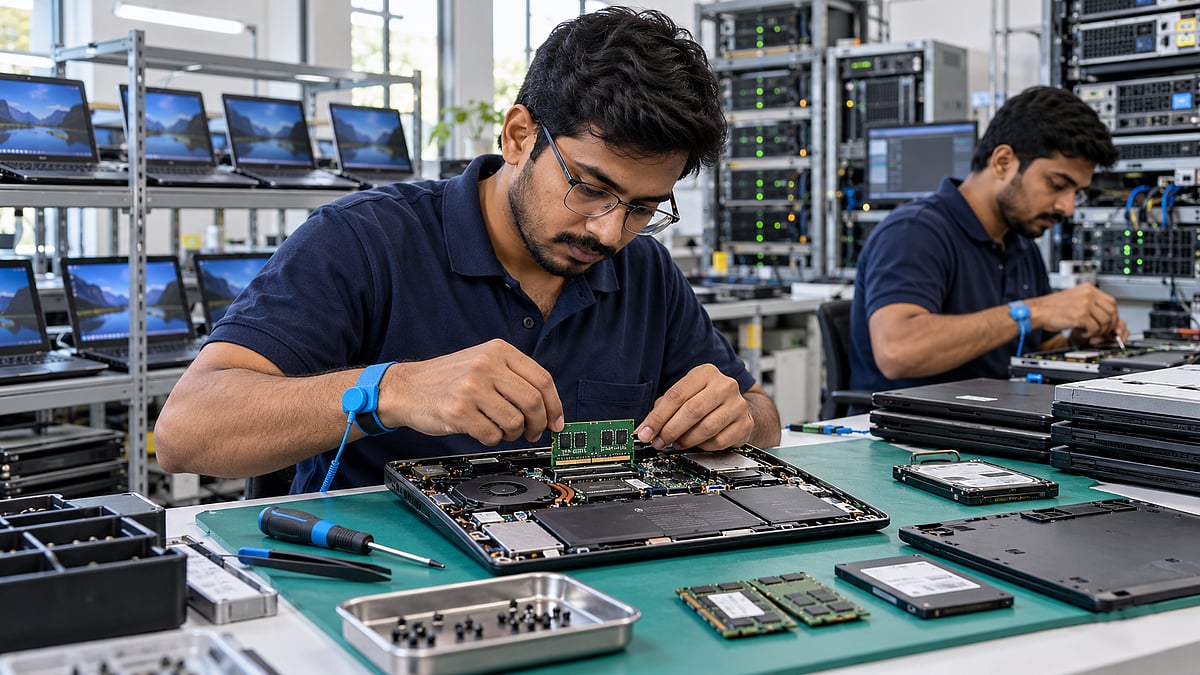
Professional IT refurbishment involves more than cleaning used equipment. Devices must be assessed, components inspected and faults identified. Repairs or replacement parts may be needed, followed by careful testing before the hardware returns to service.
The key question is whether a machine can reliably meet its next requirement, rather than simply how many years it has been in use.
Equipment unsuitable for one organisation may still support another business, a testing environment or a different workload.
Technology Spending Needs A Practical Approach
Buying new hardware is not the only way to meet every infrastructure requirement. Where existing equipment remains suitable, refurbishment can give businesses another option for deploying technology.
However, reuse requires careful evaluation. Organisations need to understand the condition of each asset and determine whether it can perform the intended role.
Circular IT Lifecycle Supports Sustainability
The traditional technology lifecycle follows purchase, use, replacement and disposal. A circular approach adds maintenance, upgrades, repairs and refurbishment before eventual recycling.
Extending equipment life where practical helps businesses consider technology’s environmental impact beyond the purchase of a new device.
Responsible recycling and IT asset disposition become the final stage for equipment that has reached the end of its useful life.
Managing Retired IT Assets Responsibly
Kunal Sancheti, Director, Comprint Tech Solutions, said businesses should consider the value remaining in equipment being replaced, alongside their next upgrade.
He emphasised extending asset life wherever practical and ensuring responsible handling when that life ends.
For businesses, sustainable IT management means assessing what hardware can do next and giving usable technology another role before choosing disposal.

