
Oil prices continued to decline on Wednesday as hopes of de-escalation strengthened, with Iran ready to allow vessels through the Strait of Hormuz and the United States President proposing a peace plan.
While the global benchmark Brent Crude was down 4 percent during Asian trade hours, WTI Crude eased by 3.5 percent.
Brent Crude has fallen below the psychological mark of $100 per barrel, while WTI Crude is below the $90 per barrel mark.
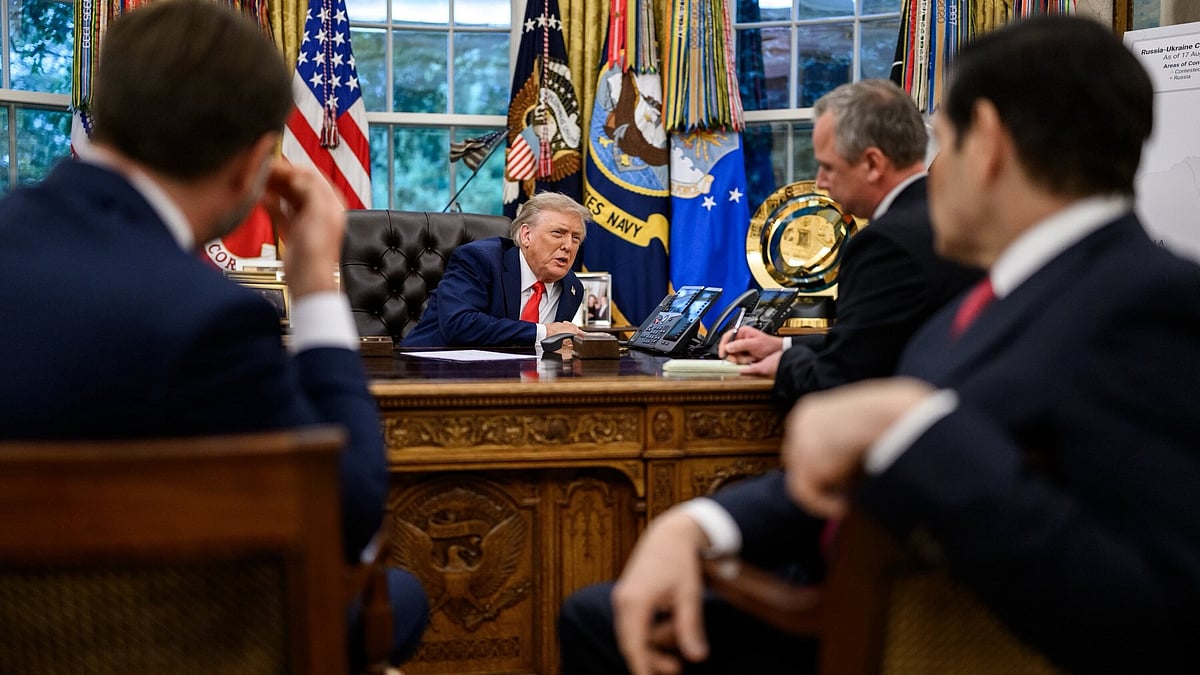
Wednesday marks the first day of the week with oil prices remaining steady instead of posting significant price fluctuations during the trade. Earlier in the week, oil prices remained highly volatile as Trump threatened to attack Iran’s energy infrastructure, with Iran retaliating in a similar manner.
As his deadline passed, Trump announced a 5-day halt on the strikes after claiming “meaningful” discussions with the Iranian side. This had allowed oil prices to ease.
However, the commodity again surged past the $100 mark after Iran denied any talks with the US.
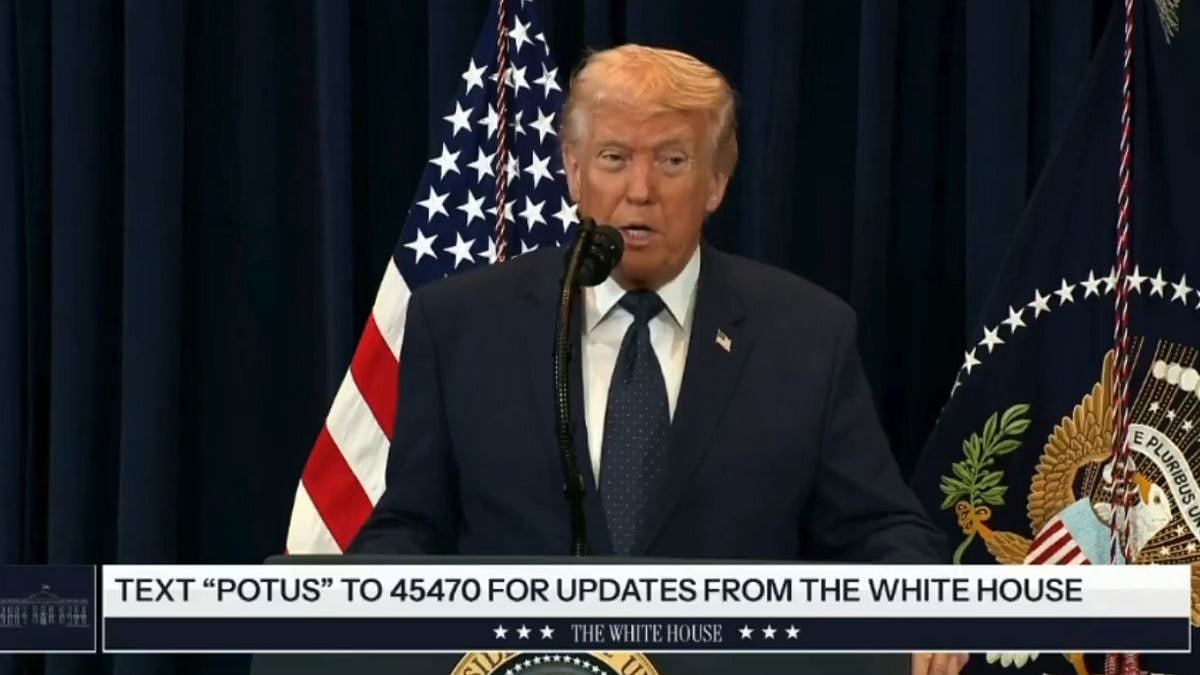
Strong signs of de-escalation came on Wednesday as Trump proposed a 15-point truce plan. The proposal includes the opening of the Strait of Hormuz by Iran and the lifting of sanctions on the Gulf nation.
Another positive development came as Iran informed the United Nations Security Council and the International Maritime Organization that it was ready to allow passage to “non-hostile” vessels through the Strait of Hormuz.
Also, oil released from the US’ strategic reserves has started entering the markets, improving supply.
According to experts, oil prices could decline further if both sides do not diverge from the peace talks.
Still, it is months away for oil prices to return to pre-war levels, as several oil facilities have been hit during the conflict. It will take time to resume supplies immediately even if the war stops.
It will mostly be stranded vessels that will provide some relief to the global energy crisis.

