
Oil prices continued their upward movement in Asian trading on Wednesday, approaching the $100 per barrel mark as tensions between the US and Iran intensified.
The latest surge followed the destruction of five more Iranian crude oil tankers by US forces and Iran’s missile strikes targeting American positions in Jordan.
Global benchmarks remained elevated, with West Texas Intermediate (WTI) trading at $94.39 a barrel and Brent crude rising to $99.46.
Conflict fuels fresh oil market concerns
The latest developments came after the US Central Command (Centcom) announced that American forces had destroyed five Iranian crude carriers. The strikes targeted four vessels in the Gulf of Oman, including M/T Kaviz, M/T Charminar, M/T Horizon 1 and M/T Riesco, while another tanker, M/T Derya, was hit near Kharg Island.
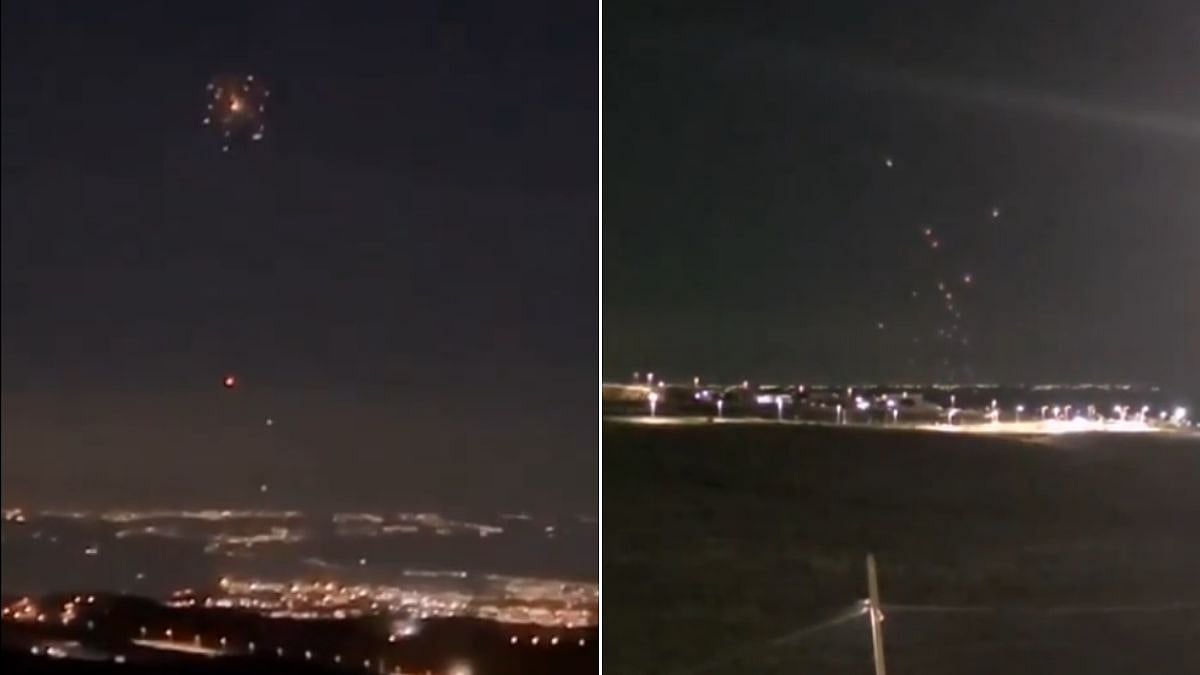
The action followed earlier strikes on Iranian oil tankers after the Islamic Revolutionary Guard Corps (IRGC) targeted US naval vessels with ballistic missiles.
Admiral Brad Cooper had earlier warned that attacks on US ships would invite stronger retaliation, saying, “If you shoot at two of our ships, we will impose an even higher economic cost —taking out three of yours.”
Centcom later released footage showing the M/T Riesco sinking after the attack.
Iran responded by launching missile strikes against US forces in Jordan. Jordan’s Armed Forces said 20 ballistic missiles were fired from Iranian territory, with 18 intercepted and destroyed. The remaining two landed in unpopulated areas, causing no casualties.
The IRGC claimed it had targeted Jordan’s al-Azraq Air Base along with US vessels and oil tankers, though these claims have not been independently verified.
Supply risks push crude prices higher
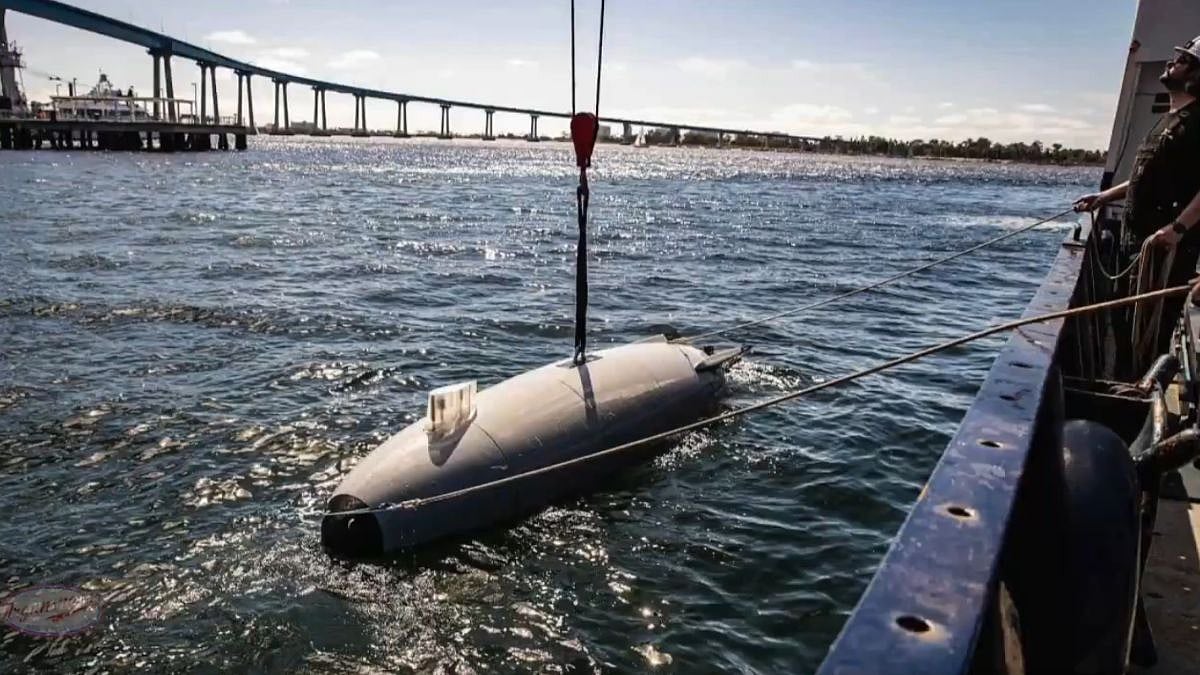
The conflict has also added pressure on oil markets already facing supply concerns. Iran has recovered a US unmanned underwater vehicle from the Strait of Hormuz, though both countries have given conflicting accounts about the incident.
Tehran described it as a modern unmanned submarine, while Washington said the device was an older underwater drone that malfunctioned and did not contain sensitive information.
Meanwhile, attacks on Saudi energy infrastructure have further increased market concerns. Recent strikes by Yemen’s Houthi rebels forced Saudi authorities to temporarily halt operations at some energy facilities after fires were reported.
Beyond immediate threats to oil infrastructure, traders are also monitoring disruptions to the so-called shadow fleet of tankers that transport Iranian and Russian crude to global markets.
The growing number of attacks and limited signs of diplomatic progress have strengthened expectations of tighter oil supplies. Market participants are now awaiting inventory data from the American Petroleum Institute to assess the impact of the conflict on physical oil markets.
With geopolitical risks continuing to rise, crude prices are showing renewed momentum towards the $100-a-barrel threshold.

