
Union Road Transport and Highways Minister Nitin Gadkari on Tuesday strongly defended the government’s E20 ethanol-blended petrol policy amid criticism from sections of consumers and industry over concerns related to fuel efficiency and vehicle performance.
Speaking at the ‘Viksit Bharat Conclave’, Gadkari challenged critics to provide evidence of any vehicle suffering damage due to the use of E20 fuel, which contains 20% ethanol blended with petrol.
"There is no case of any car facing issues due to E20 petrol. Has there been any car in the country that faced issues due to the use of E20 petrol? Just name one," Gadkari said, alleging that misleading campaigns were being run against the higher ethanol-blended fuel rollout.
The minister said India’s shift towards alternative fuels is necessary due to the country’s heavy dependence on imported crude oil. He highlighted that India spends around Rs 22 lakh crore annually on fuel imports, creating both economic and environmental challenges.
India achieved its target of 20% ethanol blending in petrol, with ethanol produced from sources such as sugarcane, corn and rice-based feedstocks. The government has promoted the programme as a way to reduce crude oil imports, improve energy security and lower carbon emissions.
However, concerns have emerged among vehicle owners regarding mileage reduction and compatibility, particularly because consumers in India cannot choose between different fuel blends at petrol stations. Gadkari pointed out that countries such as Brazil provide consumers with fuel choices and differential pricing for higher ethanol blends.
The minister also addressed allegations that companies linked to his family benefit from ethanol production. He said his family members own sugar factories but clarified that their businesses are not dependent on ethanol manufacturing.
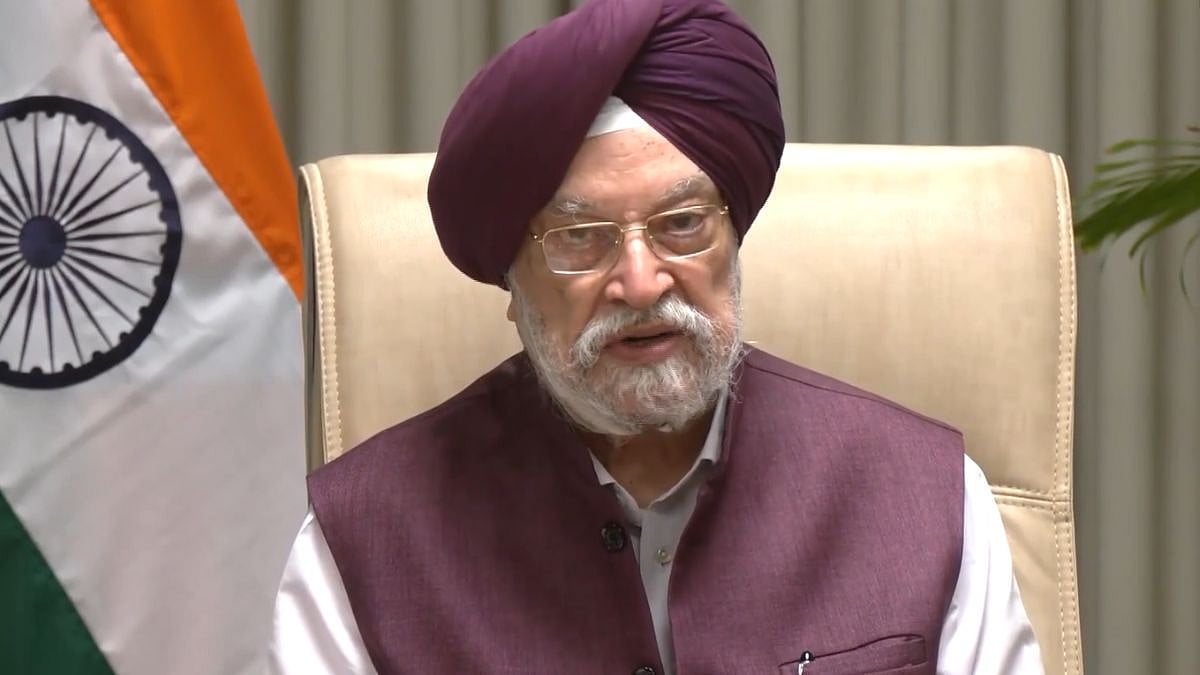
Gadkari’s comments came shortly after the Ministry of Petroleum and Natural Gas issued a clarification defending the E20 programme against what it described as misinformation on social media.
The ministry rejected claims that ethanol blending causes excessive water consumption, damages vehicle engines, affects insurance coverage or harms the environment. It said the programme is supported by scientific studies, regulatory safeguards and international experience with ethanol-blended fuels.
The government has maintained that ethanol blending will help farmers by creating demand for agricultural produce while reducing India’s dependence on imported fossil fuels. Authorities have also said that future increases in ethanol blending will be implemented after technical assessments and stakeholder consultations.

