Mumbai: If you have taken a home loan, personal loan or car loan, paying every EMI on time is important. However, an EMI may sometimes fail because of a technical problem, insufficient bank balance or another unexpected issue.
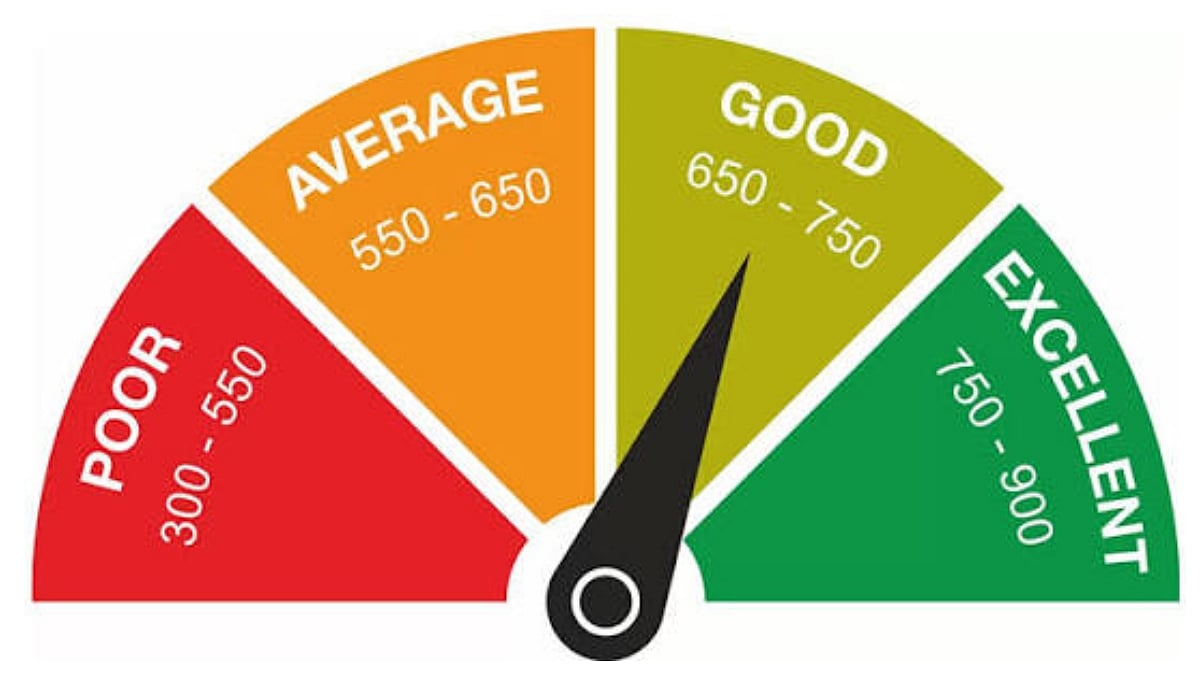
Many borrowers worry that missing even one EMI will immediately damage their CIBIL score. The impact, however, usually depends on how long the payment remains unpaid and when the lender reports it.
Short Delay
If you pay the EMI within one to seven days after the due date, it may not immediately affect your CIBIL score.
However, the bank can still charge a late fee, EMI bounce charge or other penalty. You should pay the outstanding amount quickly and confirm that the payment has been recorded.
Longer Delay
If the EMI remains unpaid for 30 days or more, the lender may report the delay to credit bureaus. This can damage your repayment history and lower your CIBIL score.
The exact fall in the score varies for each borrower. It depends on the credit profile, past repayment record, loan amount and length of the delay.

A weaker credit score can make it more difficult to obtain a loan or credit card. Lenders may also charge a higher interest rate because they could consider the borrower riskier.
Repeated Defaults
If the payment remains overdue for 60 to 89 days, the damage may become more serious. The bank or its recovery agents may also start contacting the borrower to recover the outstanding amount.
A delay of 90 days or more is generally treated as a serious default and can have a stronger impact on future borrowing.

Bank Reporting
Banks and financial institutions normally share borrowers’ repayment details with credit bureaus at regular intervals.
Paying the overdue EMI before the lender’s reporting cycle may help avoid an adverse entry in some cases. However, this is not guaranteed because reporting practices can vary.
Improve Score
Pay all EMIs and credit card bills on time. Clear outstanding dues quickly and set up auto-debit instructions or payment reminders to prevent future delays.

