The Israel-Iran conflict resulted in a steep decline in the Indian stock market on Monday. The 30-share Sensex weakened close to 1.30 percent to end the session at 80,238.85 points, its lowest level since September. The Nifty 50 fell 1.24 percent, shedding 313 points to settle at 24,865.70 points.
Only three Sensex stocks ended in the green, while the remaining 27 closed lower. The fall in domestic indices mirrored global peers. Dow Futures were trading 1.14 percent lower, while the S&P was nearly 1 percent weaker than its previous close at 4:45 PM IST.
Japan’s Nikkei and Hong Kong’s Hang Seng also declined 1.35 percent and 2.14 percent, respectively.

The sell-off across major markets wiped off billions of dollars on Monday. However, this could be a buying opportunity for investors, according to a report by The Economic Times citing a note by Jefferies.
According to the global brokerage firm, the West Asian crisis could prove to be short-lived. Drawing parallels with recent geopolitical tensions that eased quickly, the brokerage suggested the market sell-off triggered by the Israel-Iran conflict may offer a potential buying opportunity.
However, the brokerage cautioned that if the resolution of the conflict is delayed, a significant macroeconomic crisis could emerge due to rising energy prices.

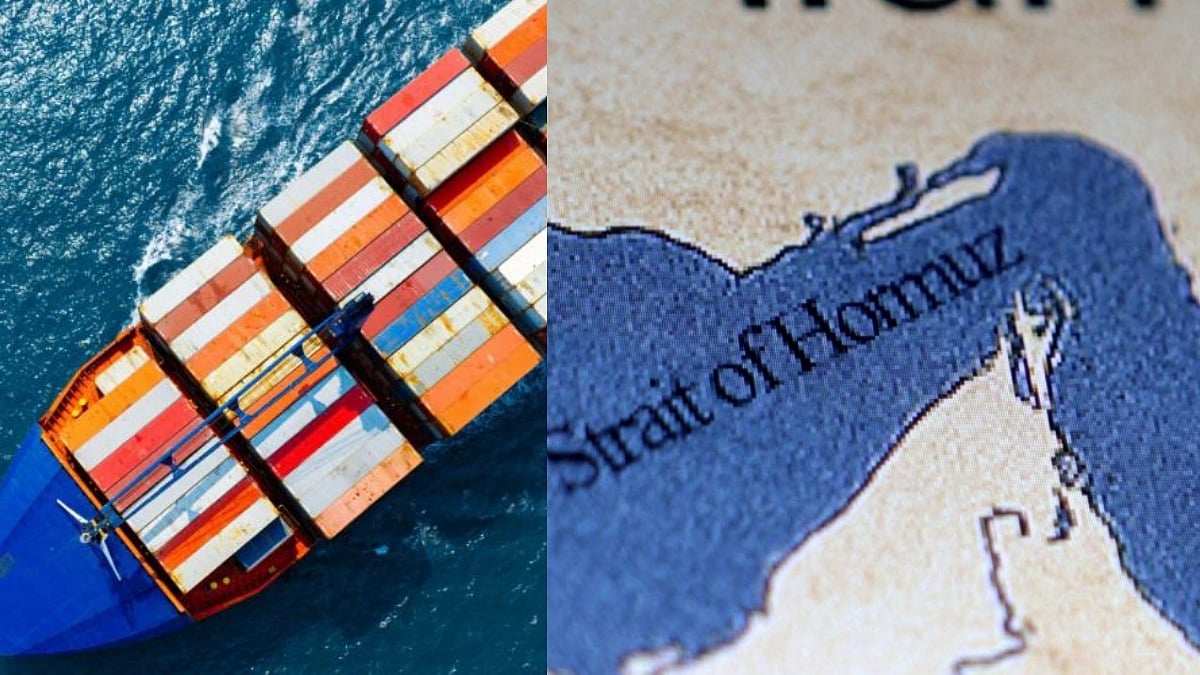
A key factor in determining the future impact of the crisis would be the duration of the closure of the Strait of Hormuz. The narrow passage between Iran and Oman accounts for about 20 percent of global crude oil and LNG consumption.
India receives 2.5 to 2.7 mbpd, or 50–60 percent of its crude oil, and about 50 percent of its LNG imports through the Strait.
According to the report, a prolonged closure of the Strait would lead to a sharp rise in crude oil prices. Every $10 per barrel increase in crude has an estimated 35 basis point impact on the current account deficit, the report said.
