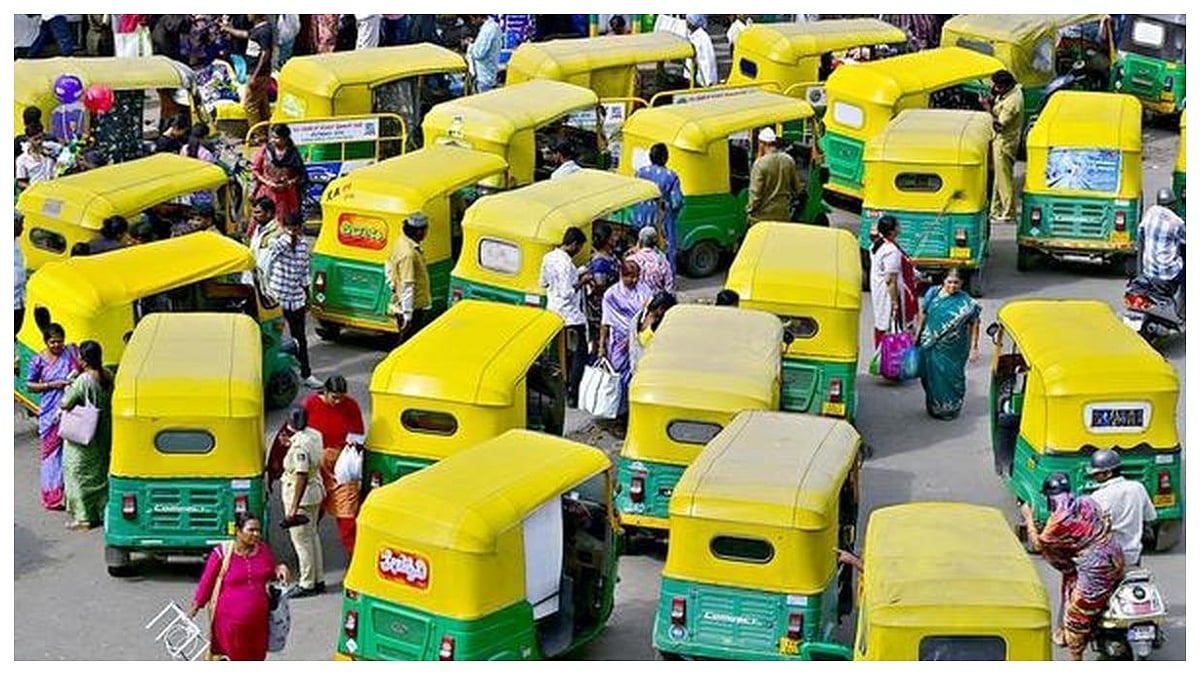
Chennai: The ongoing fuel supply disruption linked to the West Asia conflict is beginning to affect Chennai’s transport sector, with thousands of auto-rickshaw drivers facing difficulties in refuelling LPG and CNG vehicles and commuters paying higher fares across the city. Auto drivers said the shortage has forced them to wait for long hours at gas stations, while supplies have become irregular in recent days.
According to union representatives, nearly a quarter of auto-rickshaws running on gas were unable to refill on Tuesday, raising concerns that the situation could worsen if supply does not improve. “Nearly 25 per cent of autos running on gas could not get a refill yesterday. If the shortage continues, the number will certainly increase,” said S. Balasubramaniam, state working president of the Tamil Nadu Auto Thozhilalargal Sammelanam. Drivers said that apart from the supply shortage, overcharging at several private outlets has become a major problem.

LPG, officially priced at Rs 59.41 per kg, is reportedly being sold at Rs 70 - Rs 80 per kg in some places. Even at oil company outlets, the price has increased to Rs 64.51 per kg. “Overcharging has become unavoidable because the fuel cost itself has gone up for us. We are left with no option but to slightly increase fares to survive,” Balasubramaniam added. Many drivers who had shifted to gas vehicles to reduce expenses said they are now being forced to rely on petrol due to the shortage of CNG and LPG. “I chose CNG because it offered better mileage and was cheaper. But now it’s very hard to find. I have switched to petrol temporarily, which reduces my earnings,” said K. Rajesh, an auto driver in the city.
The problem has also affected commuters, who say auto fares have increased in several parts of Chennai. “A ride from Chennai Central to Egmore now costs about Rs 40 more than before,” said Vignesh Kumar, a commuter. Another passenger said the usual Rs 130 fare from Aynavaram to Koyambedu has risen to nearly Rs 180. Drivers waiting at filling stations said the queues have grown longer as supplies arrive in smaller quantities. “It now takes almost two hours to refill the gas. I usually come early in the morning to avoid the rush, but even then the supply is uncertain,” said S. Dinesh, who had been waiting at a station in Madipakkam.
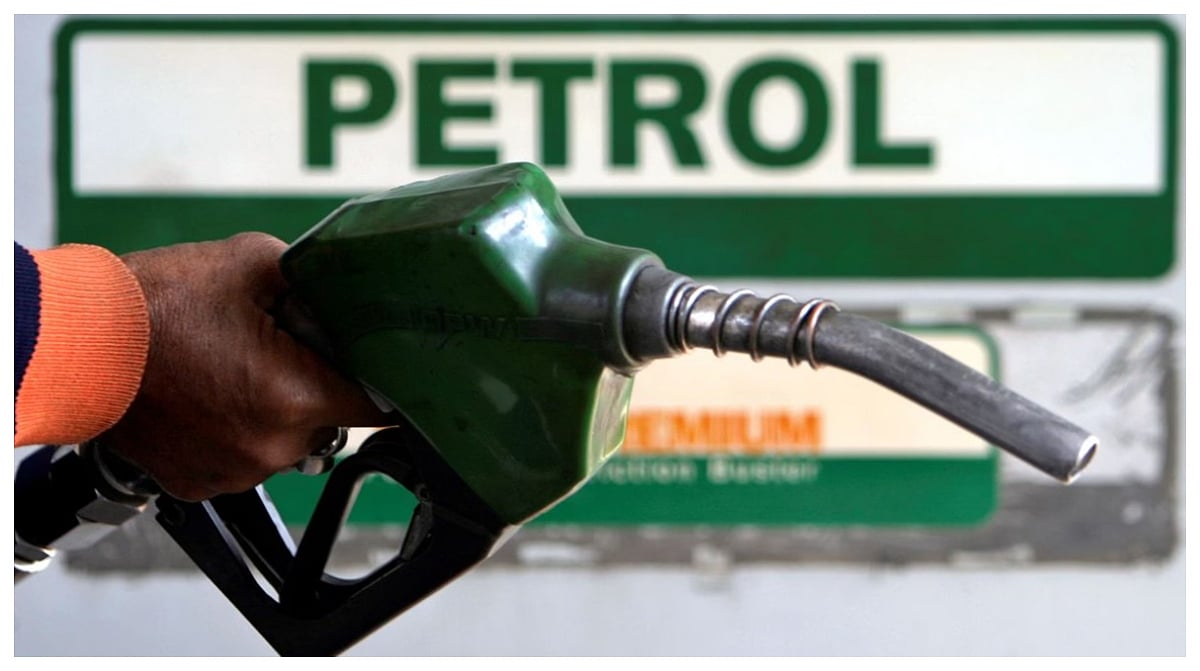
Fuel station operators said they are also facing losses due to the reduced supply. A manager at the GO Gas LPG filling station in Little Mount said the outlet had remained closed for two days because of the shortage, causing losses of nearly Rs one lakh per day. “Five of our outlets had to remain shut due to a lack of supply. If this situation continues, it will affect both our business and auto drivers,” the manager said.
Another LPG station on Mount Road may also close temporarily once its existing stock runs out. “Our current stock may be exhausted by Wednesday night. Until fresh loads arrive, the station will remain closed,” the station manager said. Union representatives said the shortage is worsened by the limited number of LPG dispensing outlets in Chennai. The city has around 40,000 LPG-run autos and nearly 20,000 CNG-run autos, but only a small number of stations are equipped to dispense LPG. “Only about 13 bunks in Chennai can install LPG tanks because safety rules require a minimum distance of around 500 feet from petrol and diesel storage tanks. A few standalone gas bunks have opened in recent years, but they are still not enough to meet demand,” Balasubramaniam said.
Disclaimer: This story is from the syndicated feed. Nothing has been changed except the headline.
