
Lok Sabha will take up the the Taxation and Other Laws (Amendment) Bill, 2026, today. The Bill was introduced in the lower house by Finance Minister Nirmala Sitharaman on Tuesday, August 4.
The Bill proposes a range of changes related to digital payments, taxation, foreign investment and manufacturing sectors. According to experts, the Bill is going to be one of the most significant changes in the taxation laws.
The legislation seeks to replace the Income-tax (Amendment) Ordinance, 2026, and amend the Payment and Settlement Systems Act, 2007, the Income-tax Act, 2025, and the Finance Act, 2027.
Below are the major changes that the Bill seeks to implement:
UPI MDR May Return Under Proposed Changes
One of the major proposals in the Bill relates to digital payments, particularly the Unified Payments Interface (UPI). The legislation proposes removing the existing zero Merchant Discount Rate (MDR) provision under Section 10A of the Payment and Settlement Systems Act.

The move could allow the government to permit MDR charges on selected digital payment transactions in the future. MDR is a fee paid by merchants to banks and payment service providers for processing digital payments.
The proposed amendment aims to support the next phase of UPI growth while creating a possible revenue stream for participants in the payments ecosystem.
Tax Benefits For Foreign Investors
The Bill also proposes several tax measures aimed at attracting foreign investment and strengthening domestic manufacturing.
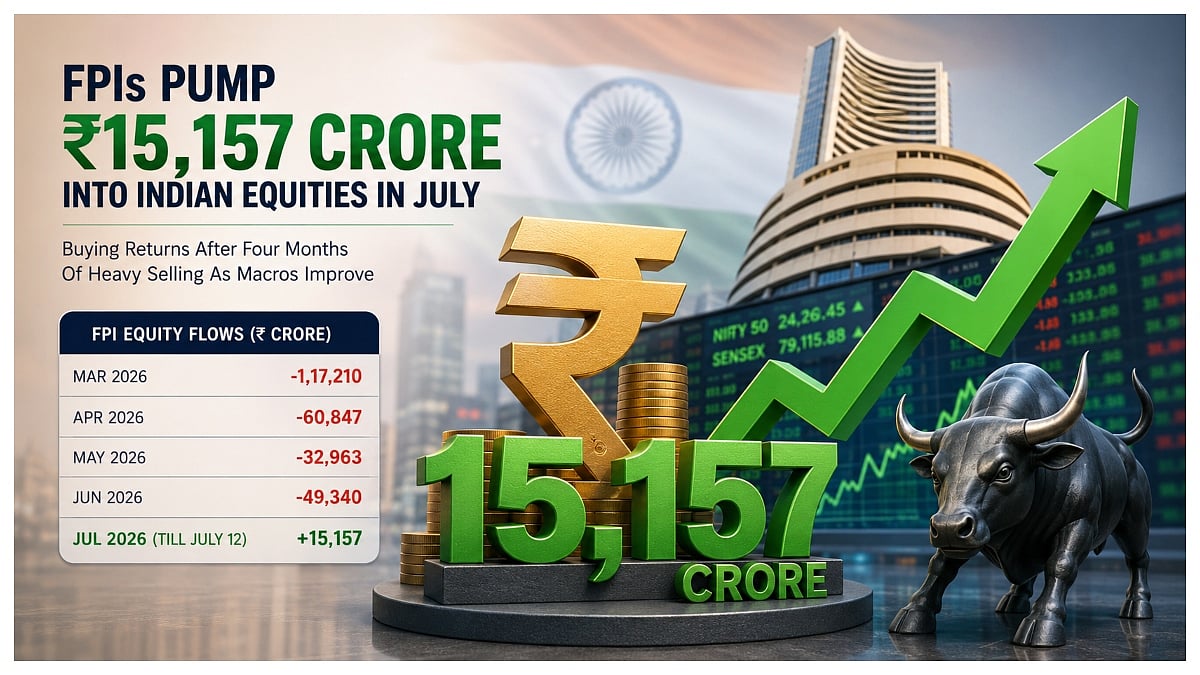
For foreign investors, it proposes exemptions on interest income and capital gains from investments in government securities for Foreign Institutional Investors (FIIs) and the Bank for International Settlements (BIS), subject to applicable conditions.
The legislation also seeks to simplify tax rules for eligible investment funds and fund managers to encourage fund management activities in India and provide greater certainty to investors.
For the electronics manufacturing sector, the Bill proposes extending tax exemptions for contract manufacturing activities until financial year 2041. It also expands the definition of specified electronic goods to include mobile phones, laptops, tablets, servers, wearables and related components.
Foreign companies storing electronic components in customs bonded warehouses could also receive tax relief under the proposed framework.
The Bill includes measures for digital infrastructure by easing tax provisions for leased data centres operated by Indian companies.
For the diamond sector, tax exemptions on rough diamond sales for eligible foreign mining companies, brokers, sightholders and auction entities are proposed to continue until March 31, 2041.
The legislation also proposes changes for Real Estate Investment Trusts (REITs) and Infrastructure Investment Trusts (InvITs) by easing certain tax exemption conditions for unit holders.
Meanwhile, five Bills have been passed by the Lok Sabha during the ongoing Monsoon Session, with some awaiting consideration in the Rajya Sabha.

