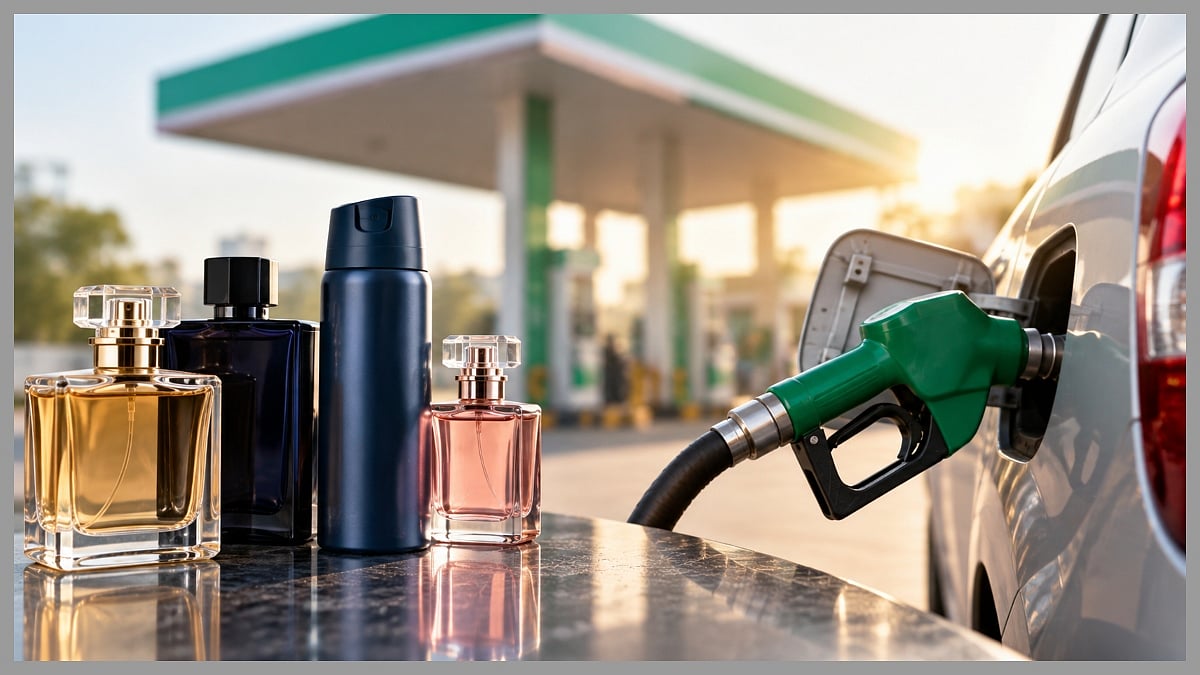
Mumbai: As ethanol blending in petrol increases, a question is circulating: could fuel demand make perfumes and deodorants more expensive? The answer lies in alcohol supply, production costs and state taxes.
Why perfumes need alcohol?
Alcohol acts as the base that carries fragrance and helps it disperse. Manufacturers mainly use Extra Neutral Alcohol, or ENA, and denatured spirit in perfumes, deodorants and body sprays.
When fuel ethanol demand rises, cosmetics companies worry that competition for the raw material could reduce ENA availability and push up prices.
Why an immediate increase looks unlikely?
This season, a larger share of sugarcane has reportedly gone towards sugar production instead of fuel ethanol. Consequently, the availability of molasses and ENA for cosmetics manufacturers remains normal.
Alcohol is also only one part of a perfume’s retail price. Fragrance oils, bottles, packaging, branding, advertising and taxes account for a share of the final cost.
Companies do not revise retail prices immediately because of small fluctuations in raw alcohol costs.
Which products face greater risk?
Any increase would not affect every category equally. Low-priced deodorants and body sprays use more alcohol and operate on thinner profit margins. These products could feel the pressure first if input costs rise sharply.

Premium designer perfumes are less vulnerable because alcohol represents a small fraction of their retail price.
The real concern: state taxes
The bigger risk may come from state tax policies rather than fuel ethanol demand.
A nine-judge Constitution Bench of the Supreme Court, in an 8:1 verdict, clarified that states have authority to regulate and tax industrial alcohol under Entry 8 of the State List.
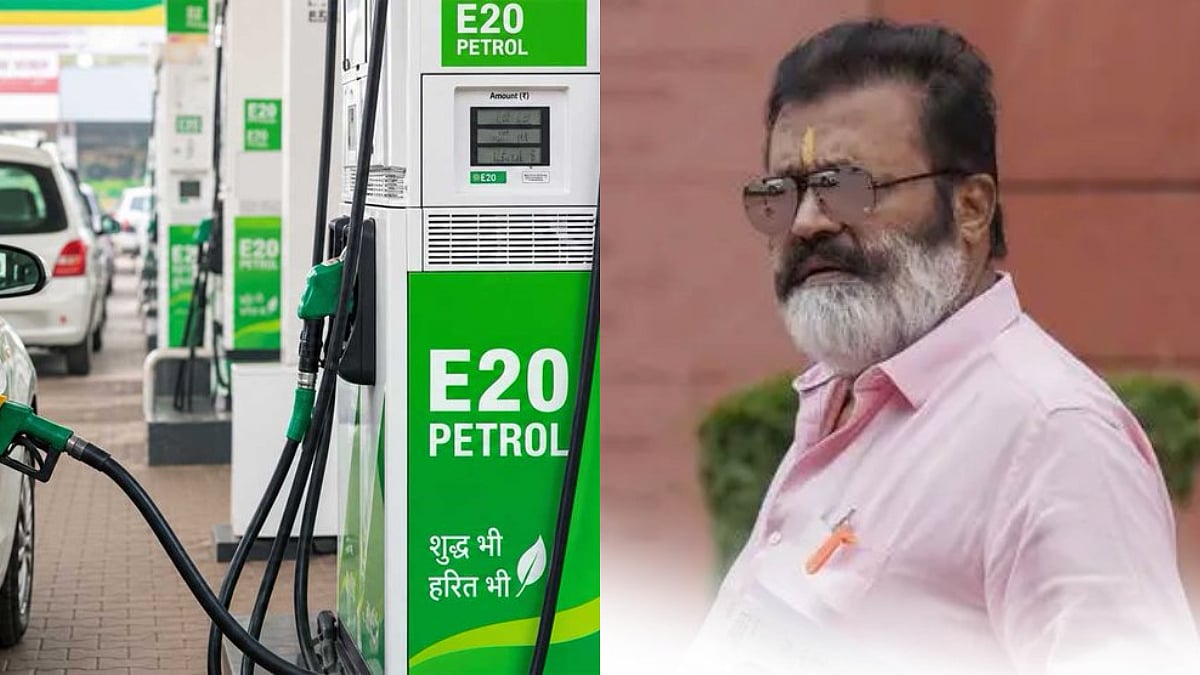
If a state increases duties or levies on ENA or rectified spirit, manufacturers’ input costs could rise and eventually reach consumers.
For now, there is no trend of perfumes or deodorants becoming costlier because of ethanol-blended petrol. Unless ENA supplies tighten or states increase taxes, fuel ethanol is unlikely to make fragrances more expensive.

