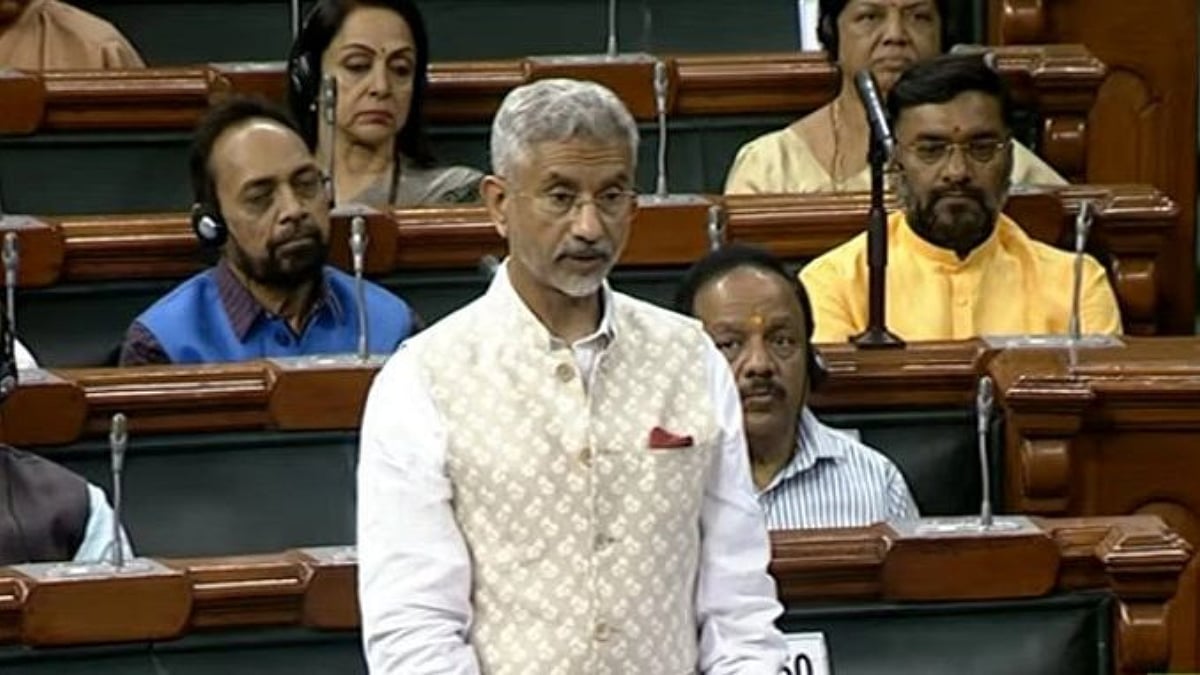
Interest of Indian consumers was the top priority of the government amid the ongoing war in the Middle East, said Foreign Affairs Minister S Jaishankar on Monday.
He was speaking in the Rajya Sabha, addressing the concerns over the United States-Israel-Iran war.
“The Indian consumer would remain the government’s overriding priority,” he said.
The minister said that the potential supply chain disruption was a serious concern for the government and it was monitoring the situation closely to ensure India’s interests remain secured.
He acknowledged that the Gulf region was important for India for energy supplies, trade and employment for Indian nationals. Over one crore Indian nationals live and work in Gulf nations, while a few thousand are in Iran.
“Therefore, serious supply chain disruptions and a climate of instability that we perceive are serious issues,” he said amid the sloganeering from the Opposition benches, who were demanding a full discussion on the issue instead of a statement.
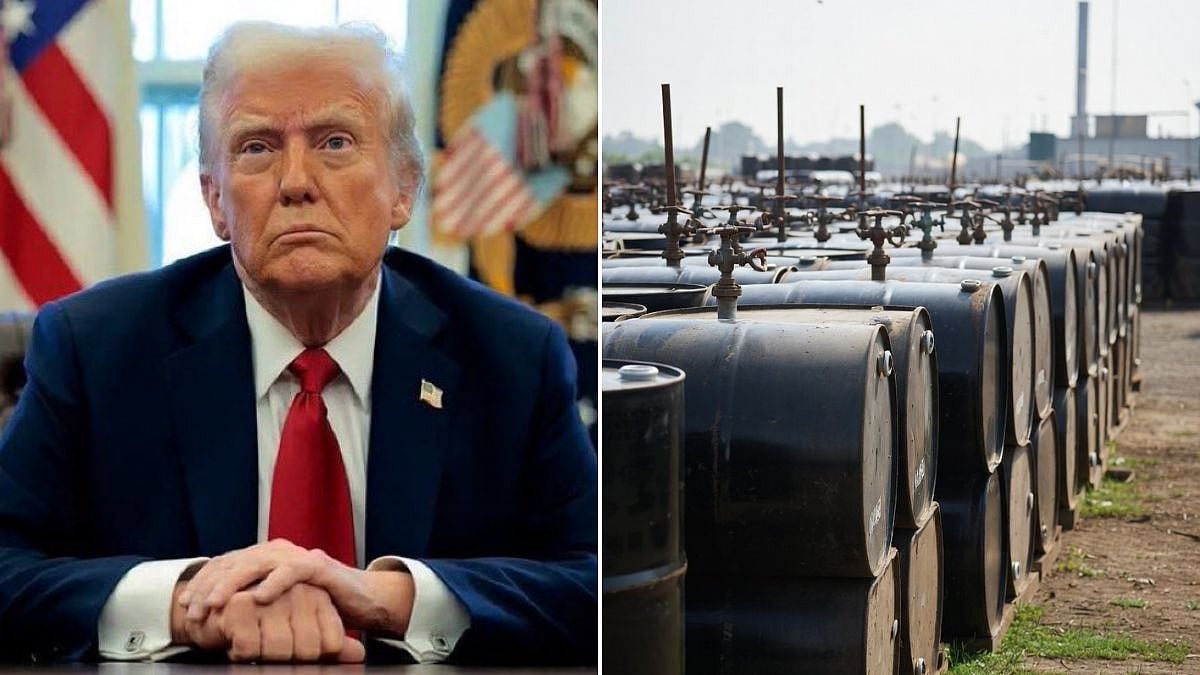
After the start of the war, the crucial Strait of Hormuz has been blocked for the transit of ships carrying fuel. The strait, a narrow water passage between the coasts of Oman and Iran, hosts about 20 percent of the global oil trade.

Over half of India’s crude supply used to transit through the waterway, while a large share of natural gas also passes through it.
Soon after the war started, various countries in the region have either completely shut down their oil and gas production units or have reduced production.
All these factors have led to a spike in crude oil prices, which on Monday breached the $110 per barrel mark for the first time in almost four years.
India’s import dependence for fuel and a weakening rupee may lead to an increased current account deficit for the country. A prolonged delay in normalisation of the situation can also spike inflation and impact the economic growth of India.
Jaishankar stressed the importance of the West Asian region staying stable and peaceful. “West Asia must remain stable and peaceful,” he said, adding that New Delhi remained engaged with partners and was closely tracking developments.
