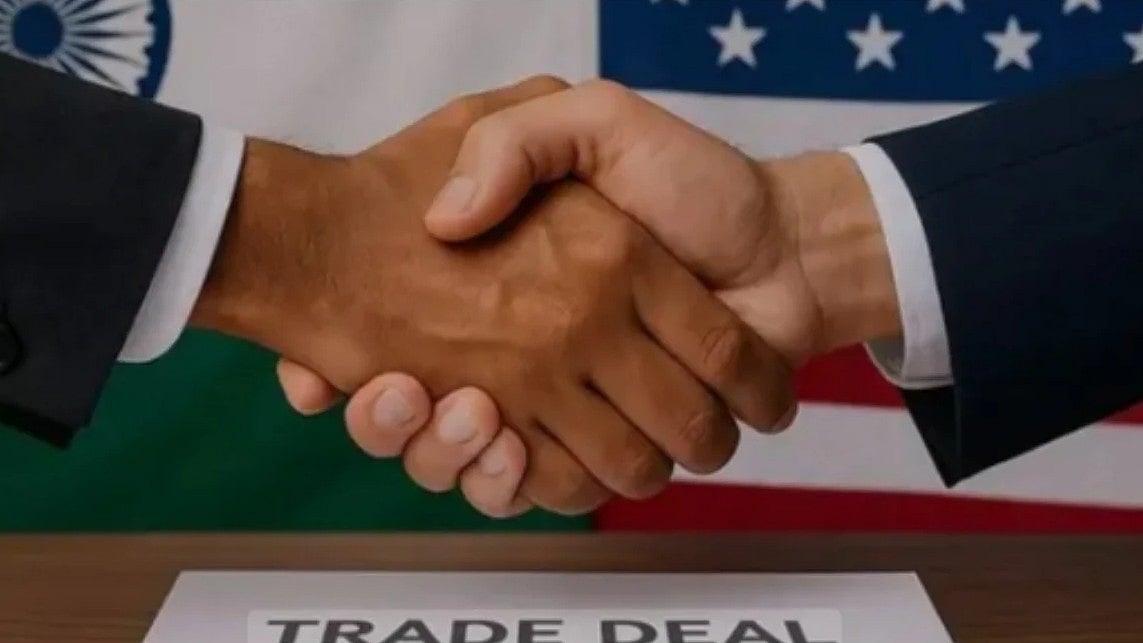
New Delhi: The trade discussions between India and the United States on 11–12 December 2025 showed a clear positive shift. From two days of meetings in New Delhi to a phone call between Prime Minister Narendra Modi and US President Donald Trump, every interaction suggested that both sides want to move their trade relations forward. Although no final deal was reached, detailed conversations on tariffs, services, and digital trade signaled growing cooperation.
The Heart of the Negotiations
The core of the trade discussions was the two-day meeting in New Delhi, held on 10–11 December. Officials from both countries openly talked about sensitive topics such as tariff rationalisation, access to the services sector, digital trade rules, and especially the 25 percent+25 percent punitive duties linked to Russian oil.
Key Events of 11 December
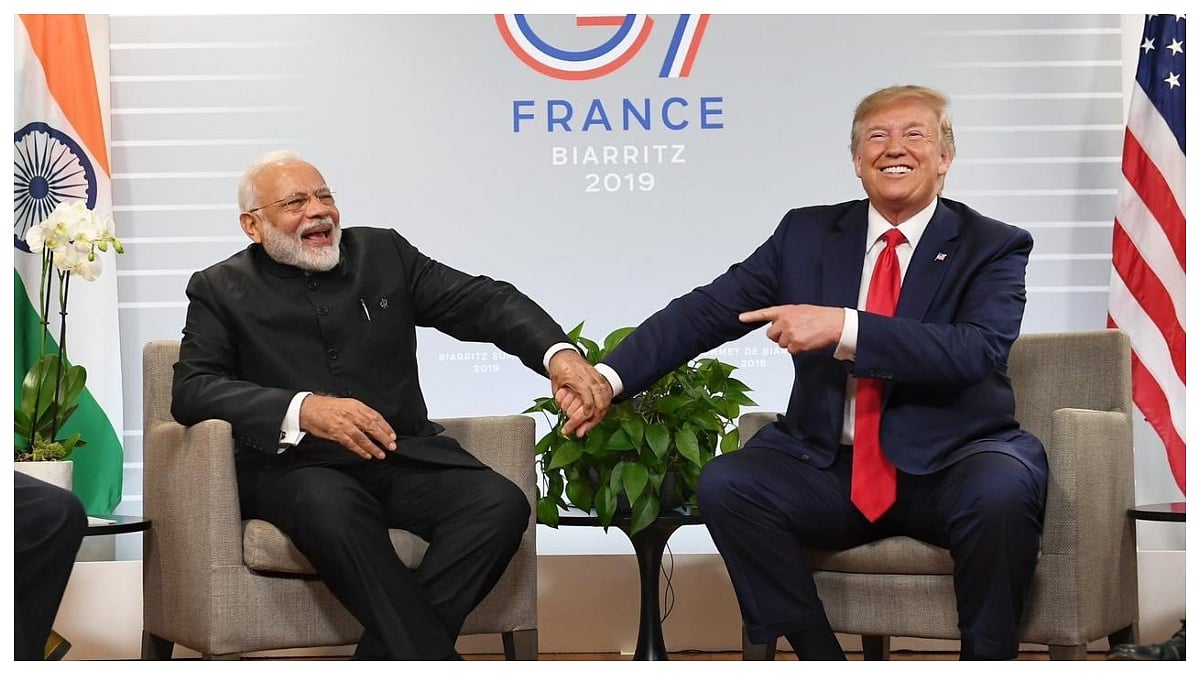
The most important event on 11 December was the phone call between PM Modi and President Trump-their third conversation during a period when tariff increases by the Trump administration were widely discussed. The two leaders reviewed cooperation in trade, energy, and defence, and reaffirmed their commitment to strengthening bilateral ties.
On the same day, Commerce Minister Piyush Goyal said that discussions were moving in a positive direction and that several substantial rounds had already taken place. He added that if the US liked India’s offer, it should go ahead and sign the Free Trade Agreement (FTA). So far, 5–6 rounds of talks have been completed, with the current goal being a first-phase or framework deal.
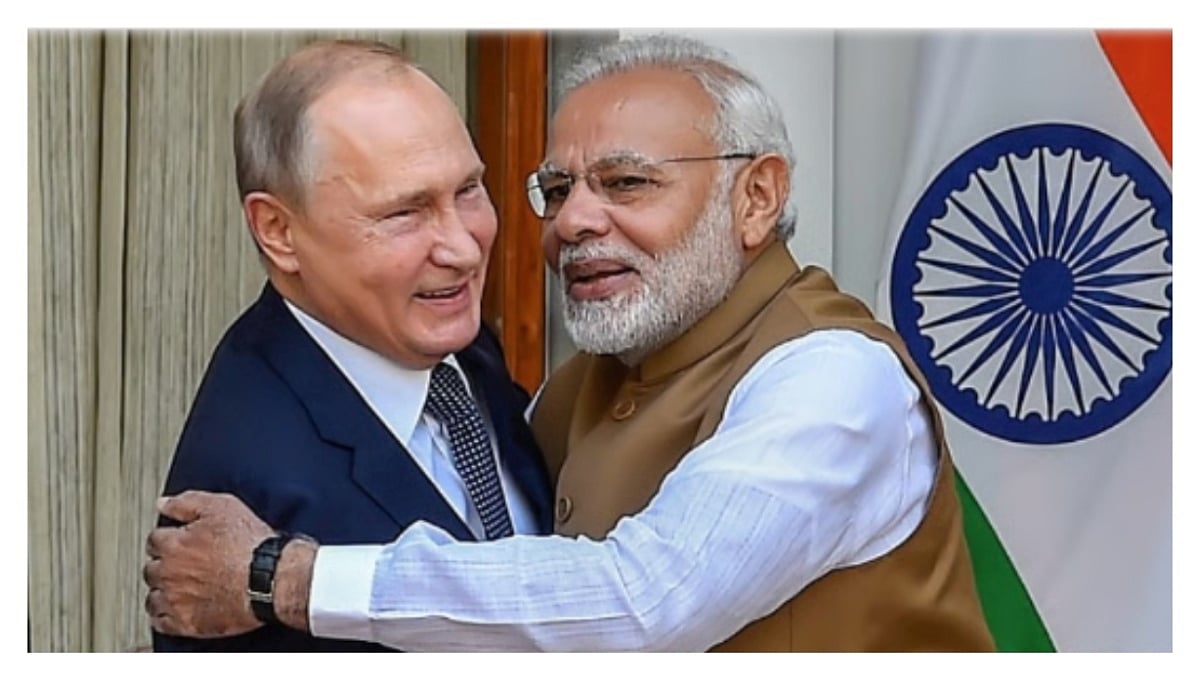
From the US side, Trade Representative Jamieson Greer acknowledged that while India is a 'tough nut to crack,' the market-access offer from India was the 'best-ever.' This confirmed that talks, although difficult, were progressing.
Outlook on 12 December
There was no major news on 12 December, but Chief Economic Adviser V. Anantha Nageswaran said that a framework trade pact could be finalized by March 2026. However, a full bilateral trade agreement (BTA) would take more time.
India–US bilateral trade currently stands at about USD 191 billion, with a target of reaching USD 500 billion by 2030. The US is already India’s largest trading partner.
What These Two Days Mean
The biggest takeaway is the positive momentum and the possibility of tariff relief, especially for Indian exporters. Challenges like trade deficits and Russian oil concerns remain, but reduced uncertainty could help stabilise the rupee and the foreign exchange market. Overall, these two days mark a significant-though incomplete-step forward in India–US trade relations.

