
New Delhi: India’s decade‑long push to modernise urban infrastructure through the Smart Cities Mission and the Atal Mission for Rejuvenation and Urban Transformation (AMRUT) transformed the country's urban future by shifting policy emphasis from standalone construction to integrated infrastructure, a report has said.
The programme also shifted urban policy focus to technology‑enabled governance and water security and better quality of life, the report from Vietnam Times said.
“India's urban transformation is now entering a new policy phase in which governance itself has become a central part of the development agenda,” the publication said.
Launched in 2015, the Smart Cities Mission selected 100 cities for targeted development using a combination of area‑based and pan‑city projects.
By May 2025, 7,555 of 8,067 planned projects under the mission were complete, the report said, with a total investment of about $183 billion.
Another 512 projects worth about $1.45 billion were in advanced stages and by March 31, 2025, nearly all central government budgeted funds were released to the cities.
The report highlighted the significance of the program in the range of urban functions they cover.
“Smart roads, public spaces, cycle tracks, health facilities, classrooms, water systems and technology-enabled public services have become part of the mission's urban transformation framework,” it noted.
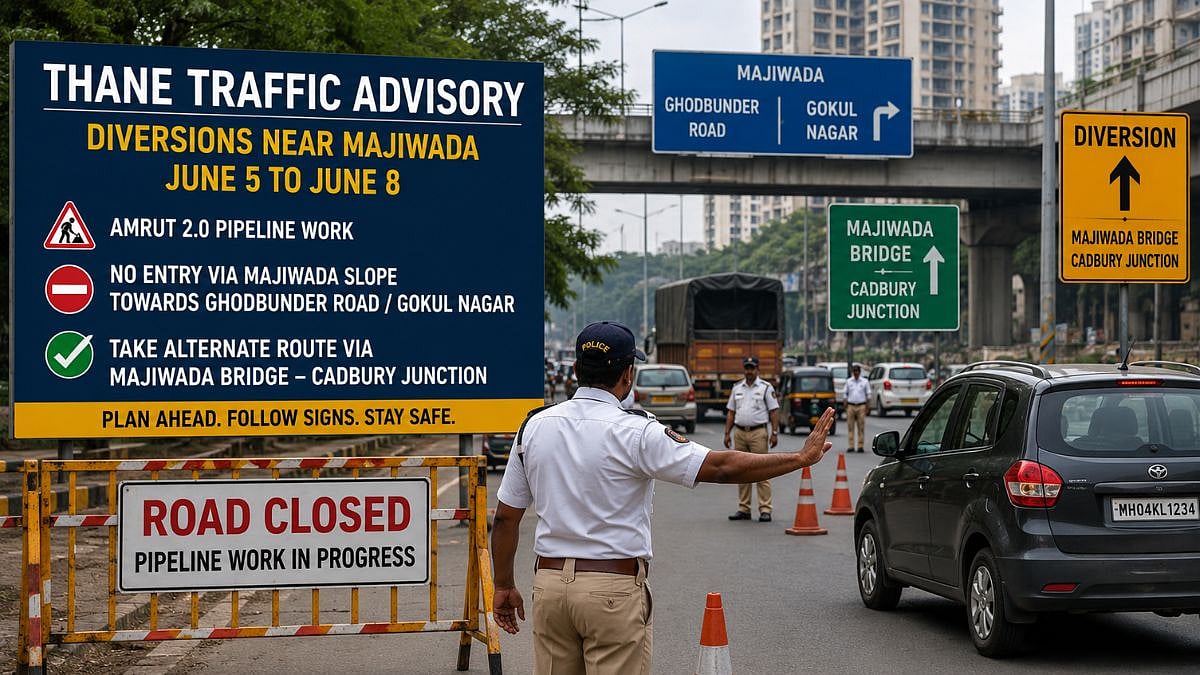
As per government data, 3,528 water-supply projects worth about $13.3 billion had been approved under AMRUT 2.0 as of February 2026.
Marking a major institutional innovation, all 100 Smart Cities have operational Integrated Command and Control Centres, which use technologies including Artificial Intelligence, Internet of Things systems and data analytics to support urban management.

These centres have been used for traffic regulation, water supply monitoring, solid waste management, public safety, crowd management and emergency response.
The government's “Jal Hi AMRIT” initiative under AMRUT 2.0 aims to improve the quality and sustained management of treated wastewater to make it safe for reuse.
“Treated wastewater can support industrial, agricultural and horticultural requirements, reducing pressure on freshwater resources,” the publication said.
Nearly 6,535 MLD of treated water was already being reused by states for industries, horticulture, agriculture and other purposes by February 2026, with another 1,931 MLD of recycle/reuse capacity approved under AMRUT 2.0, government data showed.
Disclaimer: This story is from the syndicated feed. Nothing has been changed except the headline.

