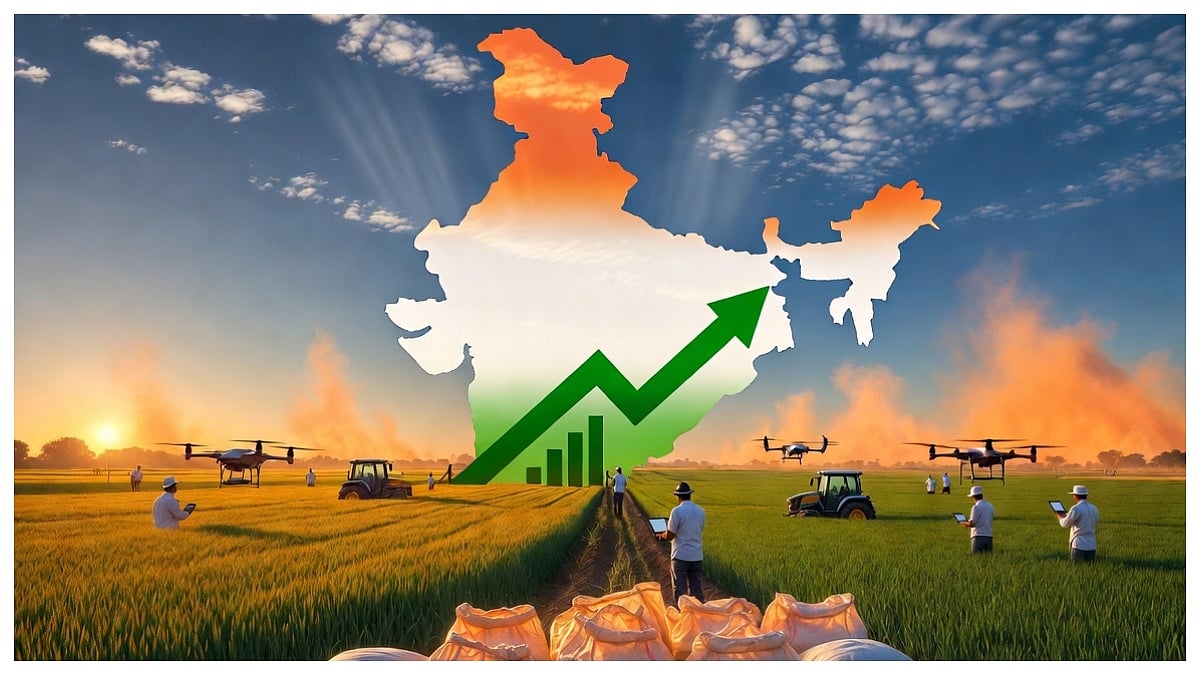
India's rural economy is becoming increasingly resilient to weak monsoons as rising irrigation coverage, diversified income sources and allied agricultural activities reduce dependence on rainfall, according to the Reserve Bank of India (RBI).
The findings, published in the Monetary Policy Committee's (MPC) report under Indian Agriculture Sector Amid Weather Shocks, come amid concerns over a severely deficient southwest monsoon in 2026.
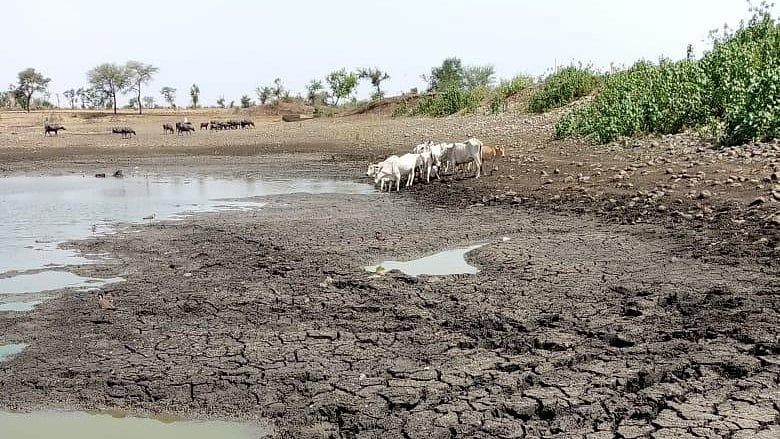
The RBI said rainfall shortages continue to influence agricultural production, but their impact on broader rural economic activity has moderated.
Non-farm income strengthens rural resilience
The report highlighted the growing importance of wages and non-crop activities in supporting rural households.
For agricultural households owning up to one acre of land, wages account for more than 55% of income, while crop production and livestock together contribute 36%.
The study found that non-agricultural rural activities maintained growth close to 6% across different rainfall conditions.
Agricultural growth, however, remained sensitive to monsoon performance. During years of surplus rainfall, it averaged 5.1%, compared with 4.3% when rainfall was close to the long-period average (LPA).
An analysis covering 1994-95 to 2025-26 found a statistically significant negative relationship between rainfall shortfalls and agricultural growth.
Rainfall deficits explained approximately 39% of variations in agricultural growth, while their relationship with non-agricultural activity was statistically insignificant.
Irrigation, allied sectors reduce monsoon dependence
The RBI attributed improving resilience partly to expanding irrigation facilities, weather-resistant crop varieties and diversification towards crops requiring less water.
Agricultural output has also increasingly shifted towards allied activities such as dairy, poultry, meat and fisheries.
An analysis covering 1999-2000 to 2024-25 showed that rainfall shortages significantly affected agricultural gross value added (GVA), while their relationship with milk, eggs, meat and fish production remained statistically insignificant.
The report also found that the negative relationship between rainfall deviations and growth in rural-linked activities has generally weakened since the mid-2000s.
The RBI concluded that although deficient rainfall remains a significant risk to crop production, its influence on allied agricultural sectors and the broader rural economy has diminished over time.

