
New Delhi: India’s four consolidated labour codes-the Code on Wages (2019), Industrial Relations Code (2020), Code on Social Security (2020), and Occupational Safety, Health and Working Conditions Code (2020)-came into force on November 21, 2025.
These replace 29 older laws and aim to modernise workplace regulations, expand social security coverage, and introduce uniform minimum wages. Businesses are expected to find compliance easier under these unified rules.
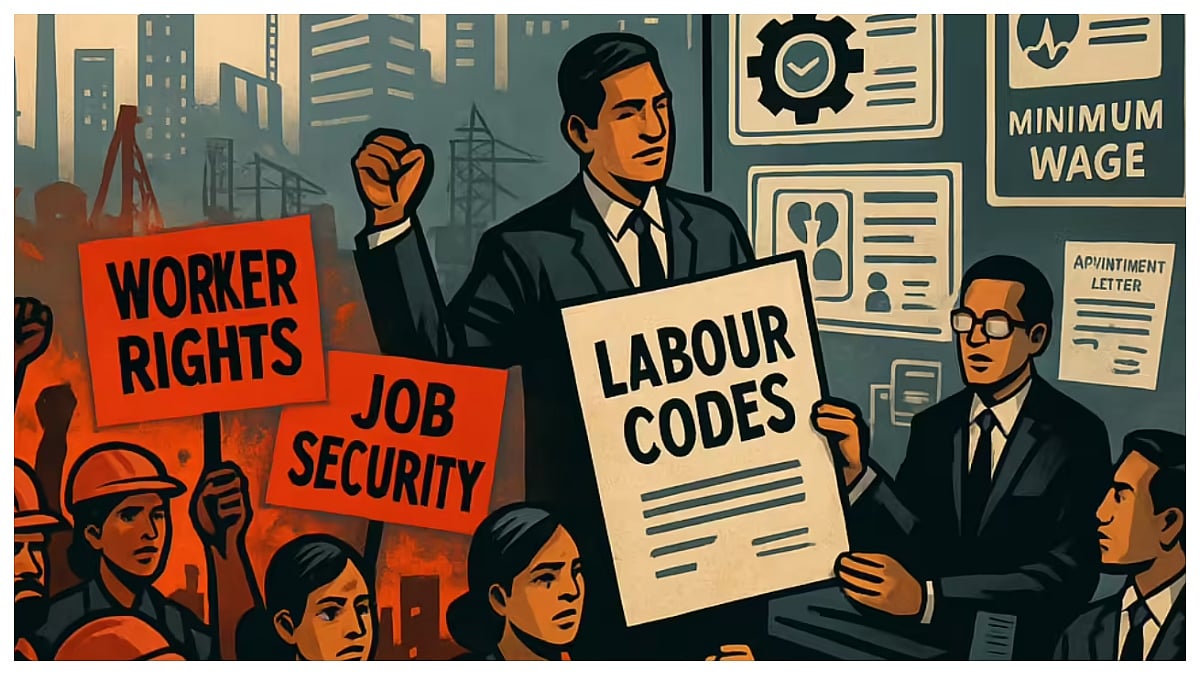
Wider Definition of Wages Impacts Costs
A major change is the standard definition of 'wages.' It includes basic pay, dearness allowance, and retaining allowance, while limiting other components like HRA, bonuses, and overtime. Wages now must account for at least 50 percent of total pay. Any excess allowances are counted as wages for calculating benefits such as PF, gratuity, bonus, and overtime.
Challenges for MNCs
For multinational corporations operating in India, this has significant implications. Employee cost structures, payrolls, and expatriate arrangements may see increased contributions, raising the overall cost-to-company. HR, finance, and legal teams must coordinate to align payrolls with the new definitions.
Tax and Compliance Considerations
Changes in wages also affect transfer pricing for intra-group services and secondments. MNCs may need to adjust benchmarks and documentation to maintain compliance. Improper reclassification of salary components could attract scrutiny under General Anti-Avoidance Rules (GAAR), which target arrangements with little real substance designed mainly for tax benefits. Proper documentation, including board approvals, policy notes, and payroll records showing alignment with the 50 percent wage rule, is critical.

State Rules and Future Planning
As state-specific rules emerge, companies must reassess payroll and social security strategies. While the codes provide greater clarity and align India with global standards, proactive planning is essential to prevent increased costs, disputes, or penalties. MNCs must analyse impacts carefully and update their strategies to navigate this new labour and tax environment effectively.
