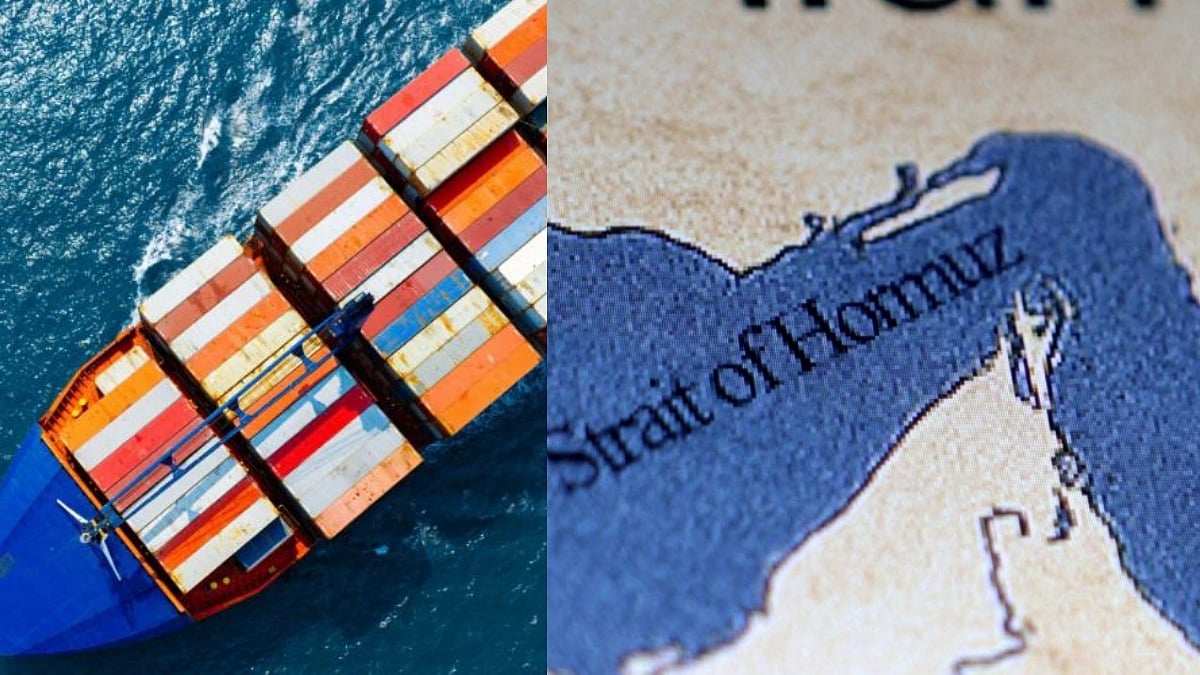
A liquefied natural gas (LNG) tanker that had been stuck in the Persian Gulf for more than three months has entered the Strait of Hormuz after the US and Iran announced a deal to reopen the strategic waterway.
"LNG carrier Disha, managed by Shipping Corporation of India-led consortium, has safely transited the Strait of Hormuz, and she's carrying 62,370 metric tonne LNG cargo," said director in the shipping division of the ministry of ports, shipping and waterways (MoPSW), Opesh Kumar Sharma on Monday.
The vessel’s movement comes amid early signs of resumed shipping activity, although overall traffic in the region remains limited as market participants await clarity on the agreement.
"The vessel is supposed to enter Dahej, likely on the 18th...The Ministry, through the Director General of Shipping, has facilitated the safe repatriation of more than 3,587 Indian seafarers so far, including 50 in the last 96 hours," Sharma said.
Bloomberg had earlier reported that the vessel was heading toward the eastern arm of the Strait of Hormuz en route to the Gulf of Oman. The vessel had loaded LNG from Qatar’s Ras Laffan terminal around March 1.
The Strait of Hormuz, a critical route for global oil and gas trade, had been effectively disrupted since late February due to US and Israeli military activity in the region.
US President Donald Trump has stated that the waterway will reopen once the agreement is formally signed, expected later this week.
While the deal is expected to ease supply pressures and restore global energy flows, analysts caution that practical challenges remain.
Iran’s strategic control over the strait gives it significant leverage, and the situation on the ground may take time to stabilize even after the agreement is signed.
Shipping activity in and around the region is being closely monitored, particularly vessel clusters near Dubai and in the Gulf of Oman. Some ships are waiting at anchor, ready to transit the strait, while others have intermittently turned off transponders, making real-time tracking difficult.
Instances of spoofing and signal gaps have added to uncertainty for traders and shipping operators.

Energy markets reacted sharply to the news. European natural gas prices fell as much as 5.8% in early Asian trading, while Brent crude oil dropped nearly 5%, reflecting expectations of improved supply flows.
Analysts say reopening the strait could significantly ease the supply crunch that has kept global gas and oil prices elevated in recent months.

