
Mumbai: India and the United States will start fresh discussions on a proposed trade agreement from April 20 in Washington DC. The talks will continue for three days and focus on the first phase of the Bilateral Trade Agreement (BTA).
India’s team will be led by Darpan Jain, along with officials from the commerce department, customs, and external affairs ministry.
Why Talks Are Important Now
The discussions are happening at a time when US trade policies have changed. The US Supreme Court recently ruled against some tariff decisions taken earlier by Donald Trump.

After this, the US imposed a flat 10% tariff on all countries for 150 days starting February 24. This has forced both India and the US to rethink and adjust the earlier draft of the agreement.
Agreement Needs Reworking
Earlier, the US had agreed to reduce tariffs on Indian goods from 50% to 18%. It had also removed some additional tariffs linked to India’s oil imports.
On the other hand, India had offered to reduce or remove tariffs on many US products, including industrial goods, agricultural items, and food products like fruits, nuts, and soybean oil.
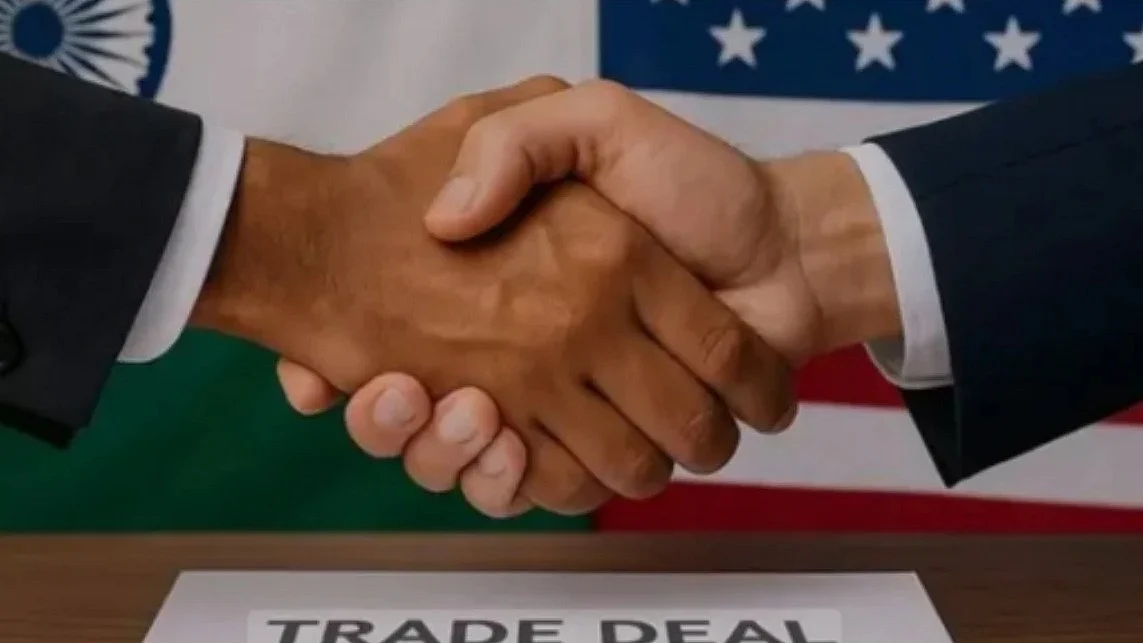
Now, due to new tariff rules, both sides may need to rewrite parts of the agreement before finalising it.
Key Issues in Discussion
Two investigations launched by the US Trade Representative under trade law may also come up during the talks. India has strongly opposed these investigations and asked for them to be withdrawn.
Trade and Strategic Importance
India had also shown interest in buyingUSD 500 billion worth of US goods over five years, including energy, aircraft, and technology products.
However, with all countries now facing a uniform 10% tariff, India’s earlier advantage over competitors has reduced. This makes the new negotiations more important.

Changing Trade Dynamics
Trade relations between the two countries are also shifting. Recently, China has overtaken the US as India’s largest trading partner.
India’s exports to the US grew slightly to USD 87.3 billion, while imports rose to USD 52.9 billion. However, the trade surplus declined compared to last year.
