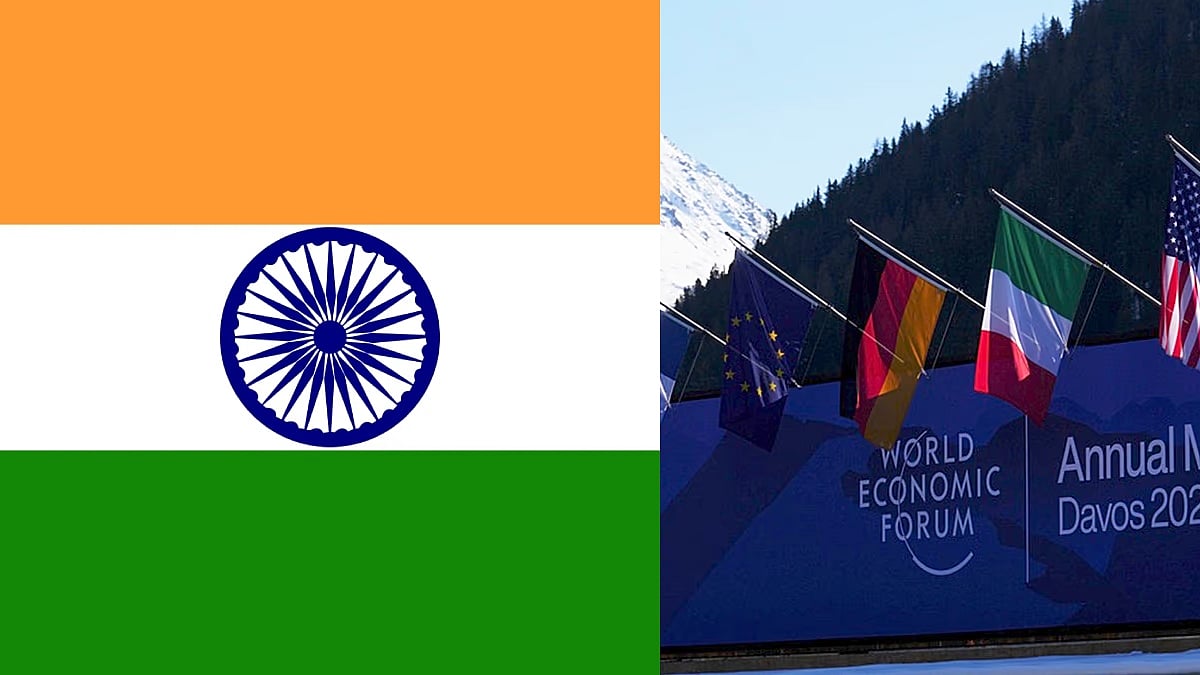
Davos: India is no longer seen as an emerging economy and has rather become pivotal to the global growth, young Indian ministers Harsh Sanghavi and K Rammohan Naidu said on Wednesday. Sanghavi, Deputy Chief Minister of Gujarat, emphasised that for decades India was described as an emerging economy, but today that description no longer captures the reality.
"India is no longer emerging, India is pivotal - pivotal to global growth, to resilient supply chains; pivotal to democratic stability and pivotal to the future of innovation, sustainability and inclusive development," he said. Speaking at the same session organised by CII and KPMG, Union Civil Aviation Minister Naidu said India today stands at the intersection of trust, scale, and innovation, offering reliability through its stable democratic institutions, resilience through its diversity and size, and relevance through solutions that deliver value for money.
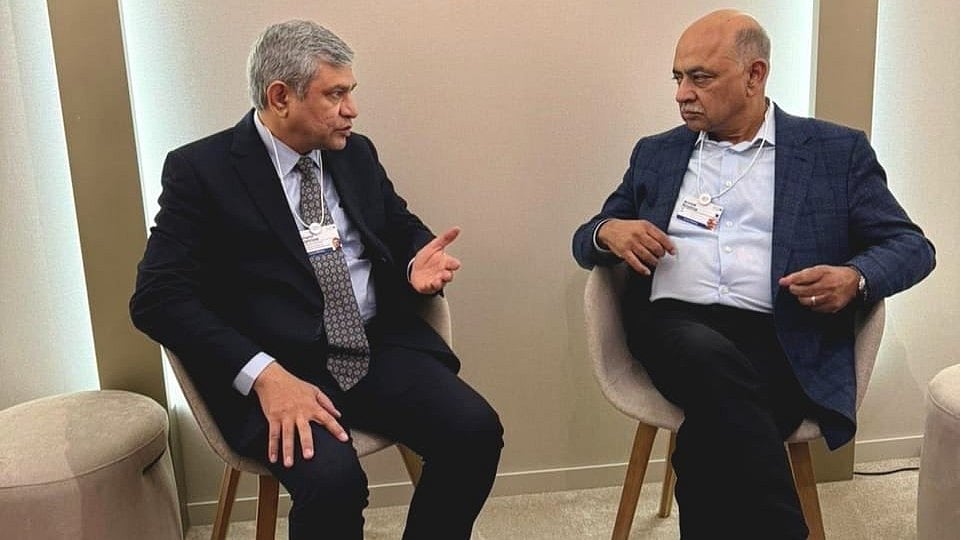
"No longer defined as merely an emerging economy, India is becoming essential to the global economic order," he said during the session organised on the sidelines of the World Economic Forum Annual Meeting. Naidu further added that India's growth today is broad-based, it is digitally enabled, it is infrastructure-backed and inclusive by design. "This is the real transformation that India has witnessed in the last decade. And one of the most consequential changes in India's development model has been the creation of digital public infrastructure.
"Platforms like digital identity, real-time payments, and consent-based data sharing, and all these have given a certain kind of advantage for the Indian economy," he said. The Union Minister said lower transaction costs, formalised millions of entrepreneurs and enterprises, enabled startups to innovate without needing massive capital and delivered inclusion, not as a charity, but as a capability.
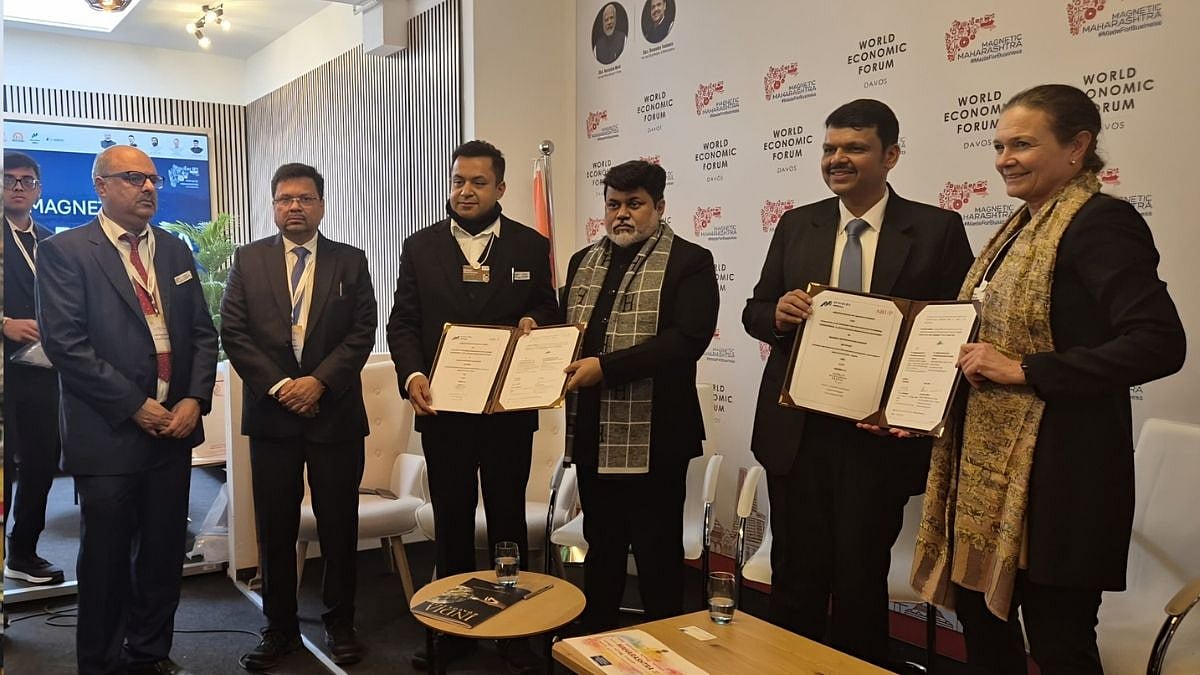
"This is why India is no longer just a consumer market, but a digital global laboratory," he added. KPMG International Global Chairman and CEO Bill Thomas said India's evolution over the years sums up the incredible momentum being built around physical and digital infrastructure. Even more importantly, every single year, digital infrastructure has actually positioned India well, he added.
Yezdi Nagporewalla, CEO, KPMG in India, highlighted that the Indian government is reshaping opportunities, and the greatest opportunity India has is its domestic consumption and domestic capabilities. "India, as a nation, as a geography, is in a very, very unique position today. And it is unique because, on one hand, we are building physical infrastructure. But we are simultaneously building digital infrastructure," he added.
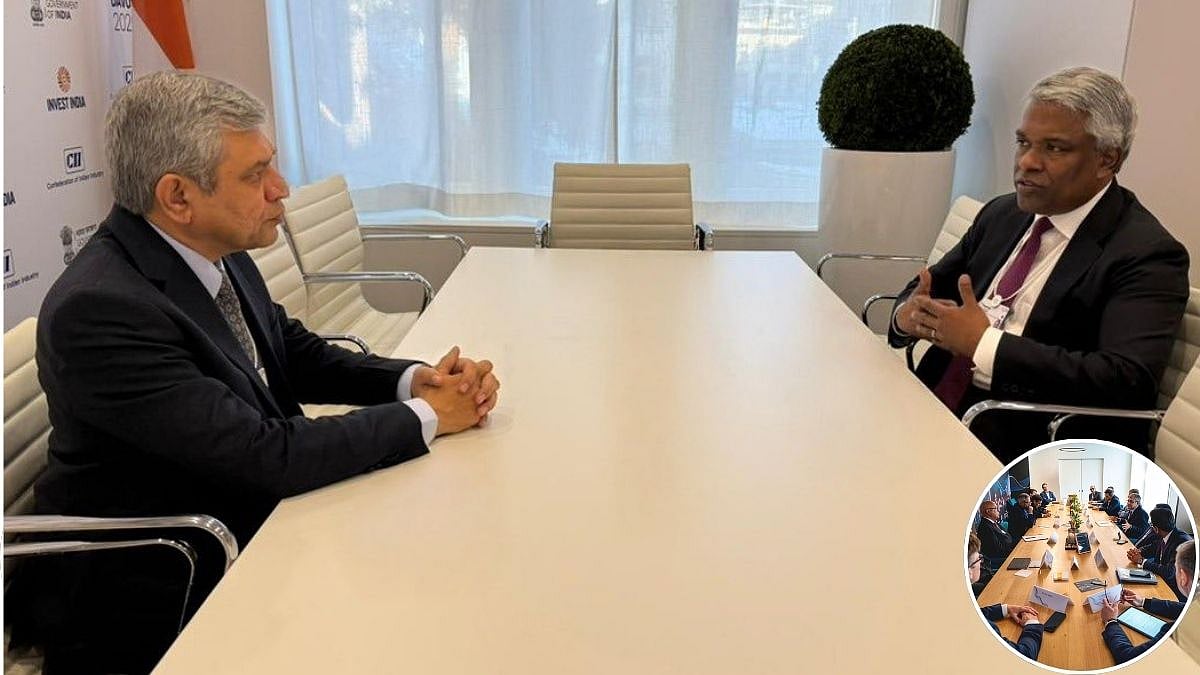
EXL Chairman and CEO Rohit Kapoor said, "Everybody is starting from scratch in terms of the implementation of AI models and implementing AI into the workflow and using it for business". "So, this is the first time that a technological intervention is being made where nobody has any experience in terms of how this needs to be done. And therefore, the talent pool in India, instead of being directed on what to do, is actually being challenged in terms of how to apply AI correctly on behalf of the world," he said.
During the session, a CII-KPMG report titled 'Shift from emerging to pivotal: India in the new geoeconomic order' was also launched. CII Director General Chandrajit Banerjee emphasised the social dimensions of public investments and the inclusivity of India's growth. He also highlighted the manufacturing growth in India through technology and AI, as well as the labour reforms taking place in India and mentioned the simplification of Goods and Services Tax.
Disclaimer: This story is from the syndicated feed. Nothing has been changed except the headline.

