
India needs to accelerate the development of its domestic semiconductor industry to strengthen economic resilience, national security and technological growth, according to a new report by NITI Aayog.
The report said that while initiatives such as the India Semiconductor Mission have helped create a foundation for chip manufacturing, the sector remains at an early stage.
It warned that global supply chains are undergoing major changes and India has a limited opportunity to establish itself as a significant player in the semiconductor industry.
Semiconductors are now essential for products ranging from smartphones and computers to automobiles, medical equipment and defence systems.
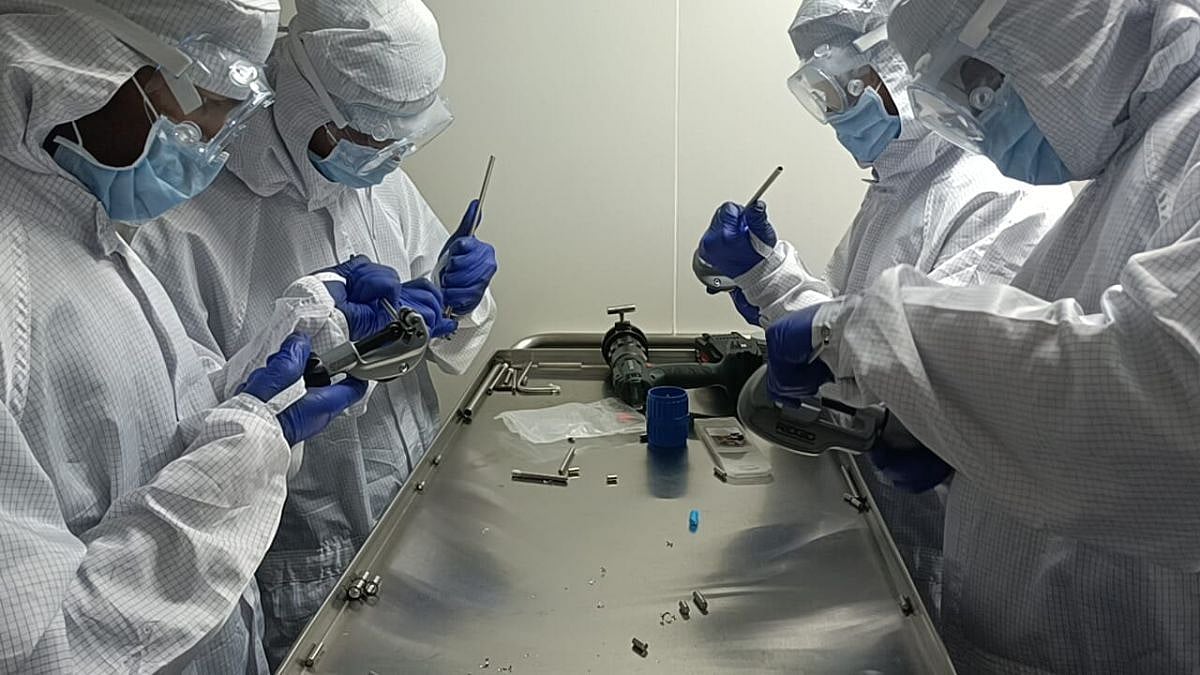
India Still Depends Heavily On Imports
According to the report, India currently meets only 5-10 percent of its semiconductor demand through domestic production.
The remaining 90-95 percent requirement is fulfilled through imports.
NITI Aayog noted that global semiconductor manufacturing is concentrated in a few countries, making supply chains vulnerable to geopolitical tensions and disruptions.
The report highlighted that any disturbance involving Taiwan or China could trigger major shortages, similar to those experienced during the Covid-19 pandemic.
Such disruptions could affect industries including automobiles, consumer electronics, healthcare and telecommunications.
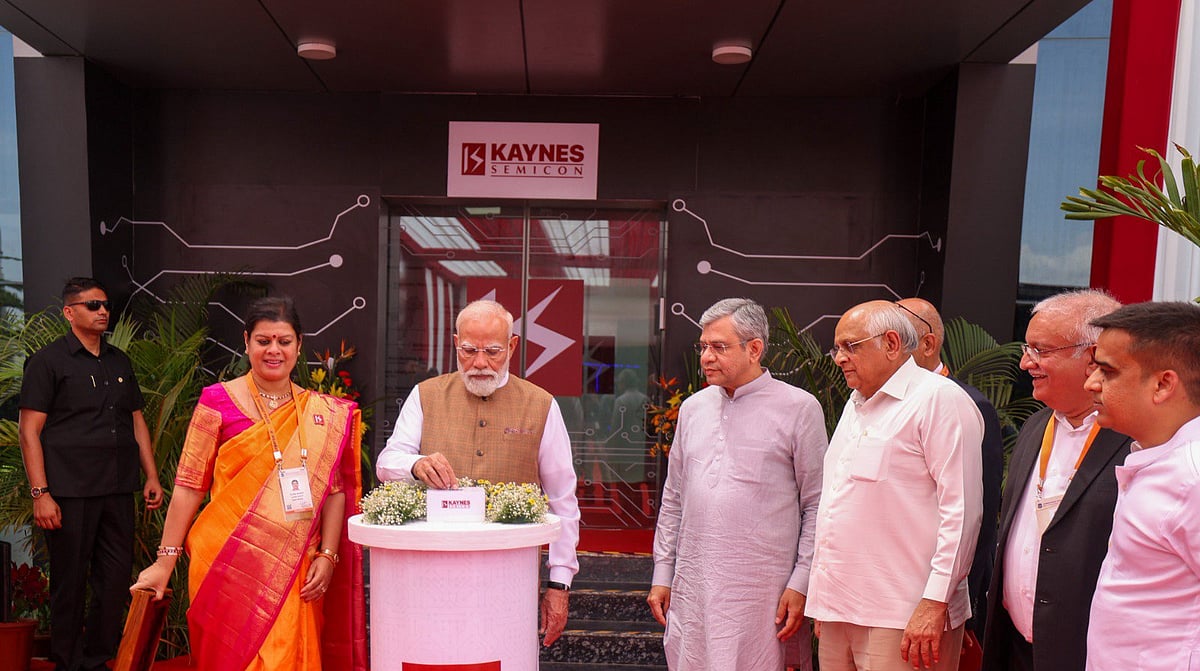
National Security Concerns Growing
The think tank also stressed the strategic importance of semiconductors for defence and aerospace programmes.
Many semiconductor components used in military systems are currently sourced from outside India.
According to the report, this dependence creates potential risks for national security as India modernises its defence capabilities.
Critical systems such as unmanned aerial vehicles, naval platforms and airborne defence equipment continue to rely heavily on imported chips.
Developing domestic manufacturing capacity could help protect the autonomy of India’s defence programmes and reduce external vulnerabilities.
Import Bill Rising Rapidly
The report highlighted the growing economic cost of semiconductor imports.
India spent nearly $150 billion on semiconductor imports between FY17 and FY25.
Imports increased at a compound annual growth rate of 23 percent during this period.
The annual import bill rose from $5.7 billion in FY17 to $30.3 billion in FY25.
NITI Aayog warned that if this trend continues, India’s semiconductor import bill could reach $240 billion annually by 2035.
Such growth would significantly increase pressure on foreign exchange reserves and trade balances.

