
India is likely to witness its weakest monsoon season in nearly two decades as El Niño conditions impact rainfall patterns, raising concerns over agricultural output and food prices.
Rainfall during the June-September monsoon period has remained 15% below the long-term average, according to the India Meteorological Department.
If the deficit continues, this would mark the driest monsoon since 2009, when rainfall was 18% below normal. The weather office had earlier projected a 10% shortfall for the season.
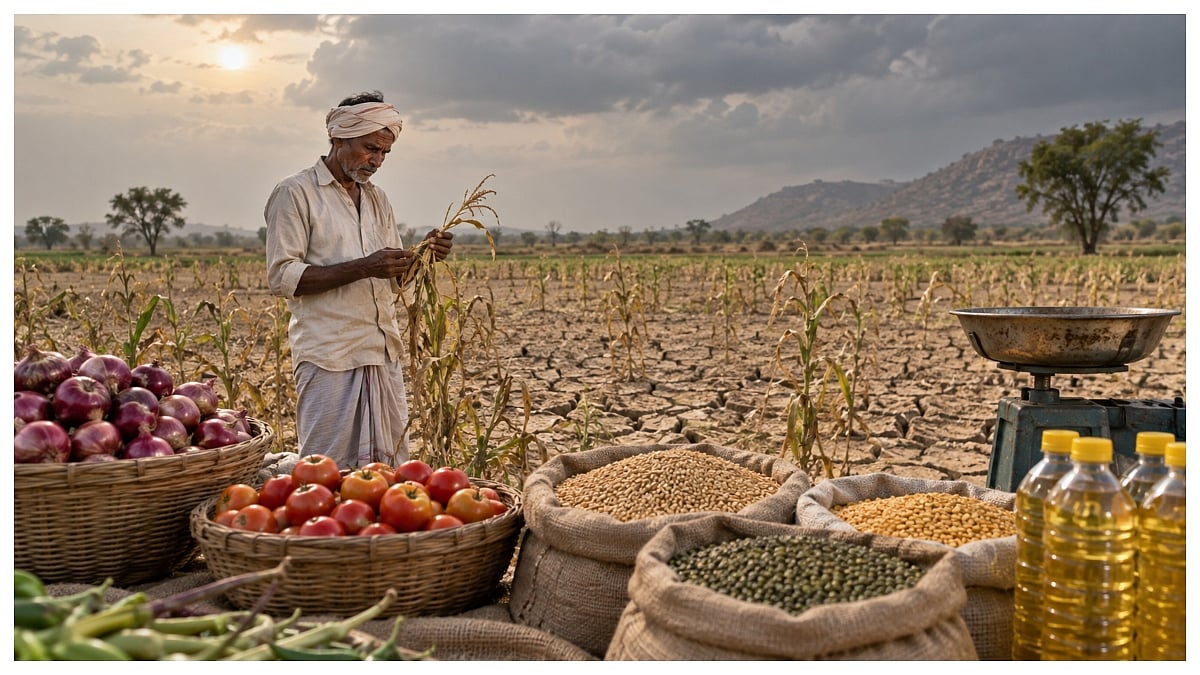
Food inflation risks rise
The monsoon remains critical for millions of farmers who depend on seasonal rainfall for irrigation. India, one of the world’s largest producers of rice, sugar and cotton, receives the majority of its annual rainfall during this period.
A prolonged rainfall shortage could affect both current harvests and future crop cycles. Food inflation has already increased for seven consecutive months, reaching 5.95% in August, the highest level this year.
To manage supply concerns, the government has permitted duty-free sugar imports and begun selling onions at subsidised prices in some states. Crop planting for rice, sugar cane and corn is also trailing last year’s levels.

