Mumbai: Too many cooks spoil the broth, says the old proverb. The Middle East offers a modern variation. Too many players, too many agendas and too many unfinished histories have turned the region into a tangled plate of geopolitical spaghetti.
Every power claims to hold a strand of the solution, yet each pull seems only to tighten the knot. That knot has shaped global politics, energy markets and human destiny for nearly eight decades.
Wars have been fought. Peace accords have been signed. Dictators have risen and fallen. Oil has flowed through deserts and seas. Yet peace itself remains elusive because the region's deepest questions have never been fully answered.
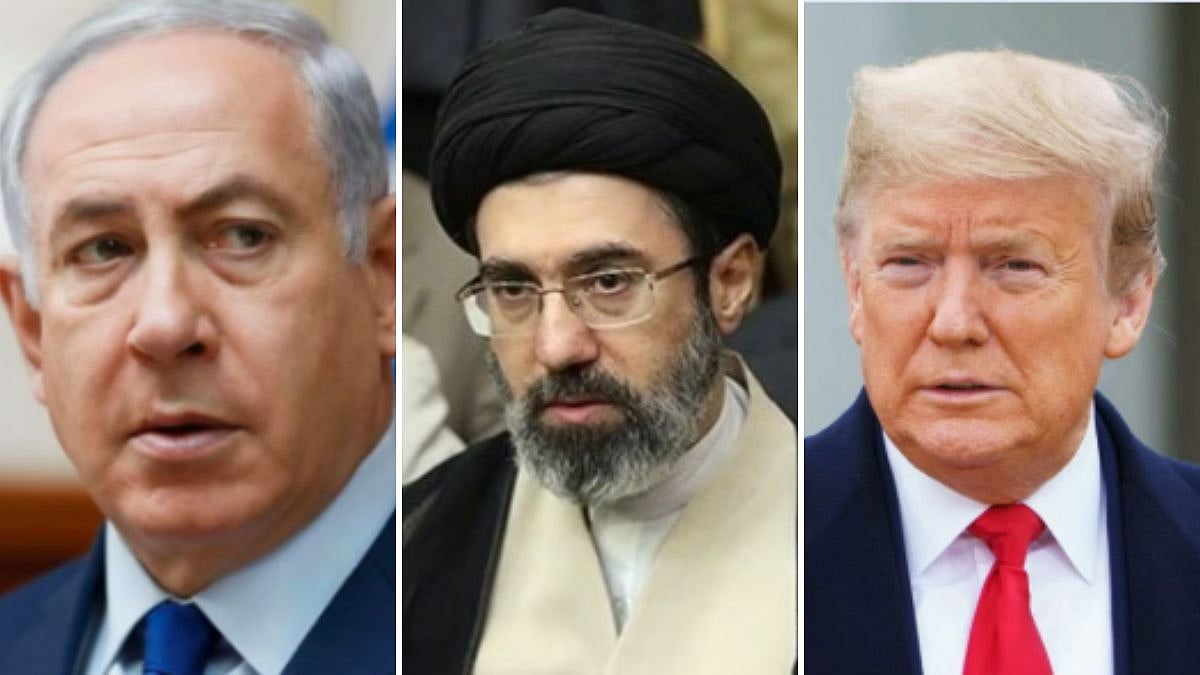
The modern conflict largely traces its roots to the collapse of the Ottoman Empire after the First World War. New borders emerged, often without regard for tribal, ethnic and religious realities. The establishment of Israel in 1948 triggered the first Arab-Israeli war and transformed the Palestinian question into one of the defining geopolitical issues of the modern era.
Since then came the Suez Crisis of 1956, the Six-Day War of 1967, the Yom Kippur War of 1973, the Iranian Revolution of 1979, the Iran-Iraq War of 1980-88, the Gulf Wars, the Syrian civil war, the Yemen conflict and the latest confrontations involving Israel, Iran, Gaza, Lebanon and the wider Gulf.
HISTORICAL ROOTS
The conflict is often portrayed as purely religious. In reality, its foundations are political, territorial and historical.
The Sunni-Shia divide, which dates back to a dispute over succession following the death of Prophet Muhammad in 632 AD, continues to influence regional alliances and rivalries. Yet sectarian differences alone do not explain today's conflicts.
Palestinians seek statehood and self-determination. Israel seeks security and recognition. Iran seeks strategic influence. Arab governments seek stability and regional relevance. Ordinary citizens seek jobs, opportunity, accountable governance, freedom of thought and religious freedom. These aspirations remain largely unfulfilled.
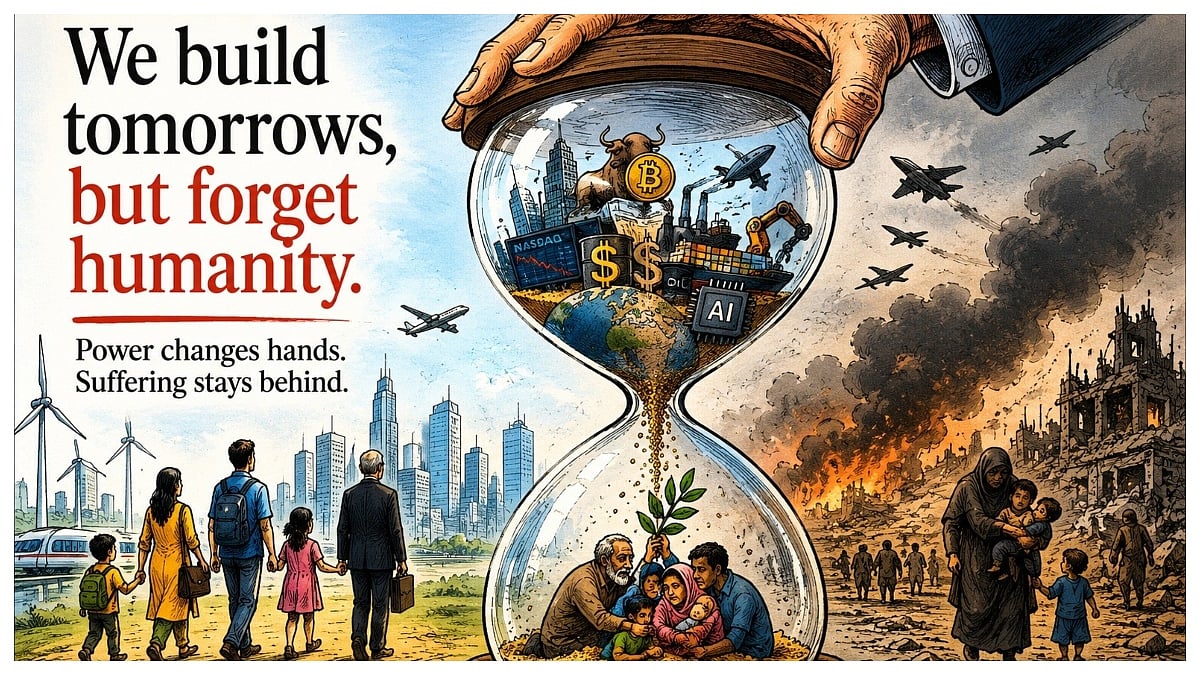
The humanitarian toll has been immense. Since October 2023, the Gaza conflict has claimed tens of thousands of lives and displaced large sections of the population, creating one of the gravest humanitarian crises of recent decades.
ARAB SPRING
The Arab Spring of 2010-11 revealed another reality. Popular uprisings in Tunisia, Egypt, Libya, Yemen, Bahrain and Syria exposed deep frustrations over unemployment, corruption, inequality and the absence of meaningful political participation.
Some governments fell. Others survived.
Yet many of the grievances that fuelled those protests remain unresolved.
The downfall, capture and eventual execution of Saddam Hussein following the 2003 Iraq war became one of the defining images of the modern Middle East. For many rulers, it served as a reminder that power can appear permanent until it suddenly is not. Consequently, many governments across the region have placed a strong emphasis on internal stability and security.
ECONOMIC BILL
Viewed through the economic lens, the Middle East conflict may be among the world's most expensive recurring political failures.
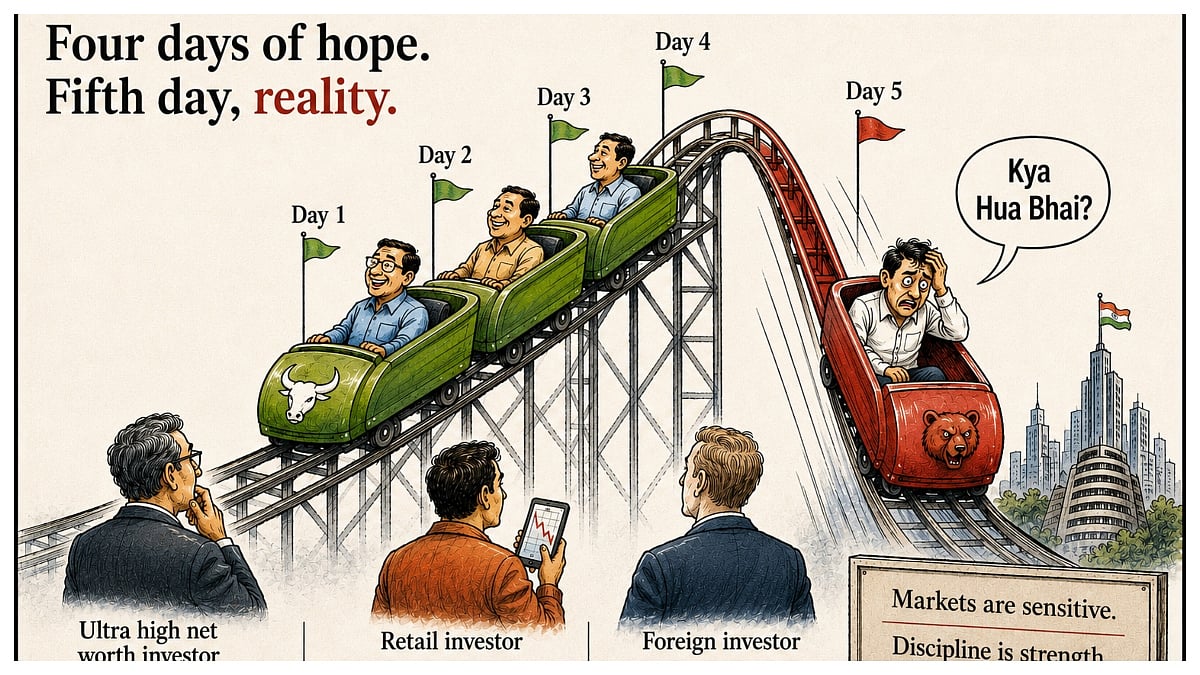
The Strait of Hormuz, barely 33 kilometres wide at its narrowest point, carries roughly one-fifth of global oil trade and nearly a fifth of global liquefied natural gas shipments. Any threat to its security can raise oil prices, increase shipping costs, fuel inflation and unsettle financial markets from New York to Mumbai.
For India and its nearly 1.5 billion people, the consequences are immediate. Higher crude prices affect transport, agriculture, manufacturing, aviation and household budgets.
The Gulf is also no longer merely India's energy supplier. Sovereign wealth funds and corporations from Saudi Arabia, the United Arab Emirates, Qatar, Kuwait, Bahrain and Oman have invested tens of billions of dollars in Indian ports, logistics, renewable energy, technology and infrastructure. Trade between India and the UAE alone exceeds US$100 billion annually.
REMITTANCE LIFELINE
Beyond oil and investment lies an even larger human bridge. Millions of expatriate workers from India, Pakistan, Bangladesh, Nepal, Sri Lanka, the Philippines and Africa work across Gulf economies.
India received more than $100 billion in remittances during FY25, remaining the world's largest recipient. A substantial share originated from Gulf countries. Pakistan receives around $34 billion annually, while Bangladesh receives about $24 billion. Gulf economies collectively rank among the world's largest sources of outward remittances, sending tens of billions of dollars every year to Asia and Africa.
Every regional conflict therefore threatens not only oil flows and investment projects but also the livelihoods of millions of migrant workers and their families.
THE UNCOMFORTABLE QUESTION
Do all mediators genuinely seek peace?
Some undoubtedly do. Others pursue influence, strategic advantage, military partnerships, arms sales or geopolitical leverage.
China seeks energy security.
Russia seeks influence.
Europe seeks stability.
America seeks regional balance.
Regional powers seek survival and influence. The language is peace.
The incentives are often more complicated.
The result is what scholars describe as “negative peace”—the absence of active warfare without genuine reconciliation.
THE UNFINISHED FUTURE
The Middle East does not suffer from a shortage of diplomacy. It suffers from a shortage of political endgames. Until the questions of Palestinian statehood, Israeli security, accountable governance, freedom, economic opportunity and regional coexistence are addressed honestly, peace will remain a promise rather than a reality.
The region possesses vast oil wealth.
Yet oil cannot purchase trust. It cannot buy reconciliation. And it cannot erase history.
For India, the lesson is equally clear. The Middle East is no longer merely an energy partner. It is an investment partner, a trade partner, a remittance partner and a strategic economic stakeholder. Every step towards peace strengthens both regions. Every return to conflict imposes a hidden tax on billions.
The markets understand a truth that politicians often overlook: Peace is not merely a moral necessity. It is the most valuable economic asset on earth.

