After months of consultations and disagreements among automobile manufacturers, the Ministry of Power has notified the Corporate Average Fuel Economy (CAFE-3) regulations aimed at reducing carbon dioxide emissions from vehicles.
The final framework, which will be implemented from April 2027 and remain effective until March 2032, does not provide any separate concession for small cars.
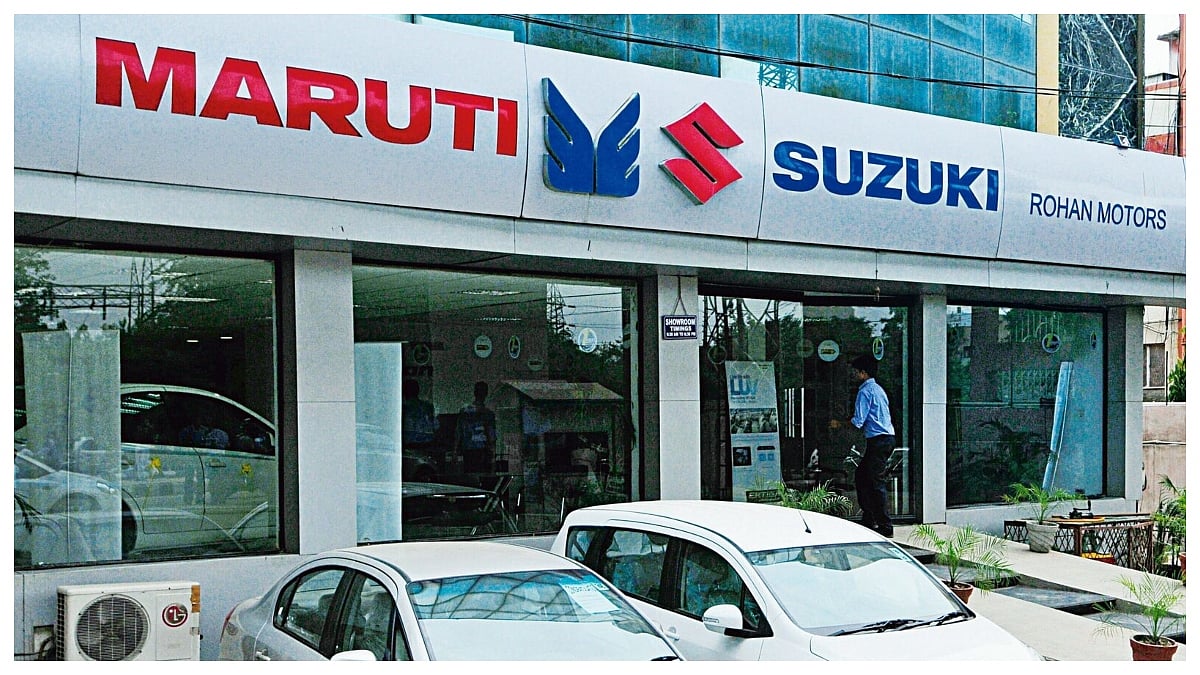
Maruti Suzuki India, the country’s largest carmaker and a major player in the small-car segment, had earlier sought relief for lightweight vehicles.
The September 2025 draft had proposed a special 3 grams per km concession for petrol cars weighing up to 909 kg. Under that proposal, the concession would have been deducted while calculating a manufacturer’s overall CAFE compliance.
However, electric vehicle manufacturers and other automakers, including Tata Motors and JSW MG Motor, opposed the proposal, arguing that it would favour a segment largely controlled by one manufacturer. The issue eventually reached the Prime Minister’s Office before the government finalised the rules.
Revised CAFE formula changes impact across automakers
Instead of creating a separate exemption for smaller vehicles, the government modified the overall formula used to calculate emission targets for manufacturers.
CAFE targets are not identical for all companies. They depend on the average weight of vehicles sold by each manufacturer. A heavier fleet generally receives a higher permissible fuel consumption limit.
The final rules increase the reference weight from 1,170 kg in the draft proposal to 1,229 kg and introduce a flatter weight adjustment formula. As a result, lighter vehicles receive relatively easier targets compared with the earlier draft, while heavier vehicles face stricter limits.
For instance, a 909-kg vehicle will have an FY28 emission target of around 82.8 g/km under the final formula, compared with about 76 g/km under the earlier proposal. Meanwhile, a 2,500-kg vehicle will face a stricter target of around 142.4 g/km.
EVs continue to receive compliance benefits
The CAFE-3 norms retain incentives for cleaner technologies through a super-credit system. Battery electric vehicles and range-extended electric vehicles will receive a 3x compliance factor.
Plug-in hybrids and strong hybrids using flex-fuel will receive different credit multipliers, while flex-fuel vehicles will get additional compliance benefits.
The new framework also introduces a credit-debit mechanism. Manufacturers exceeding emission targets can earn credits, while those falling short will accumulate debits.
These will be tracked through a manufacturer-level passbook, giving companies flexibility in meeting annual compliance requirements.

