
New Delhi: The Central Government has taken a major decision regarding LPG supply, which will come into effect across India from March 23, 2026, and continue until further orders.
Under this decision, states and Union Territories will get an additional 20% allocation of commercial LPG. This will increase the total supply to 50% of pre-crisis levels.
Who Will Benefit?
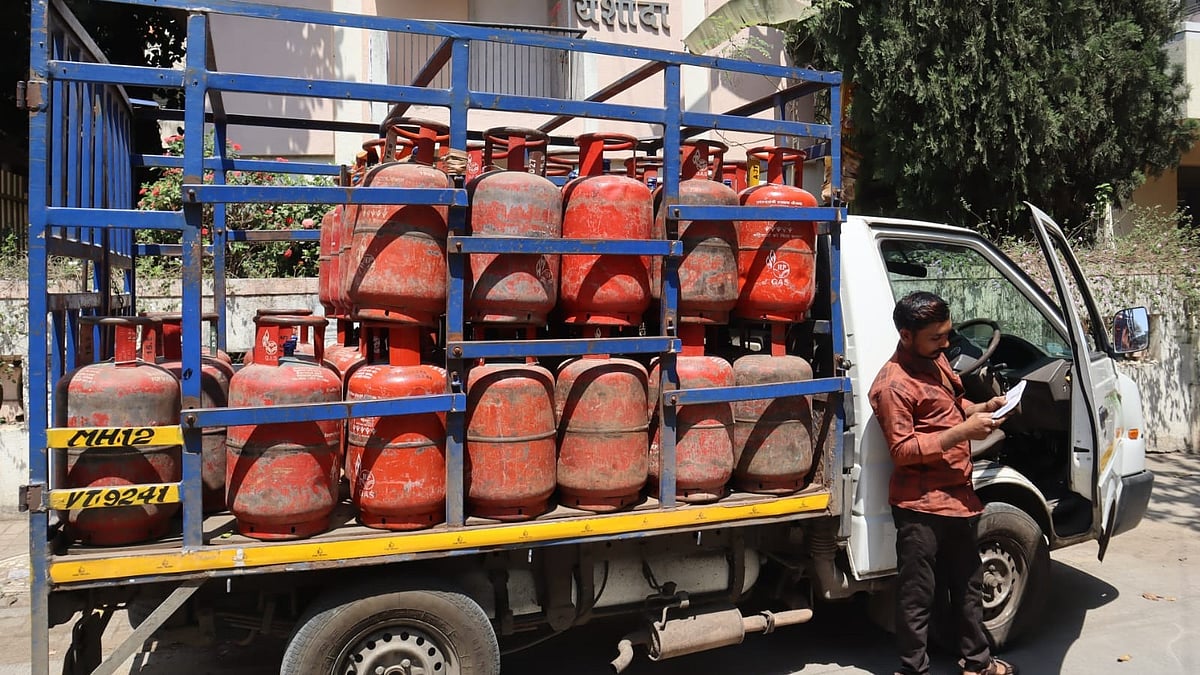
The additional LPG supply will mainly be given to important sectors that depend heavily on fuel. These include restaurants, dhabas, hotels, industrial canteens, food processing units, and dairy businesses.
Government-run subsidised kitchens, community kitchens, and migrant workers using 5 kg cylinders will also benefit from this increased allocation.
Official Communication to States
The decision was communicated by Neeraj Mittal, Secretary in the Ministry of Petroleum and Natural Gas. He wrote to all Chief Secretaries of states and Union Territories explaining the new allocation and its conditions.
The letter clearly states that the extra 20% LPG supply will be available from March 23 onwards until further notice.
Registration with Oil Companies Mandatory
To get this additional LPG supply, commercial and industrial users must first register with Oil Marketing Companies (OMCs).
These companies will keep detailed records of each consumer, including their business activity, LPG usage, and yearly requirement. This step is aimed at ensuring that the extra supply is used properly and not misused.
PNG Connection Requirement
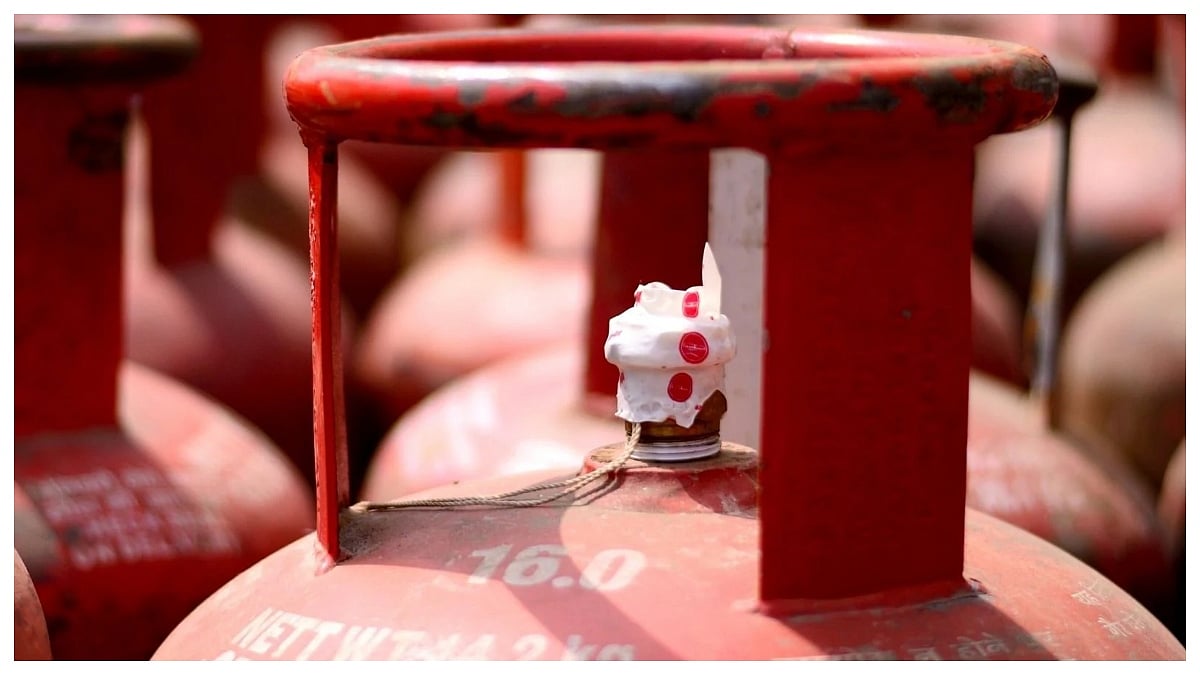
The government has also made it compulsory for commercial LPG users to apply for a PNG (Piped Natural Gas) connection from their local city gas distribution company.
Only those who apply and are ready to shift to PNG in the future will be eligible for the additional LPG allocation. This move is aimed at promoting cleaner fuel alternatives.
Ensuring Proper Use
The government has said that strict measures will be taken to ensure that the additional LPG is used only for essential purposes. The focus is on supporting businesses and services that are important for daily life and economic activity.

