India is unlikely to experience widespread job losses due to artificial intelligence, although certain services-sector roles could face disruption, according to Goldman Sachs Chief India Economist Santanu Sengupta.
Speaking to Bloomberg Television, Sengupta said AI’s impact on India’s workforce is expected to be relatively limited because a significant share of workers are employed in physical or mechanical occupations.
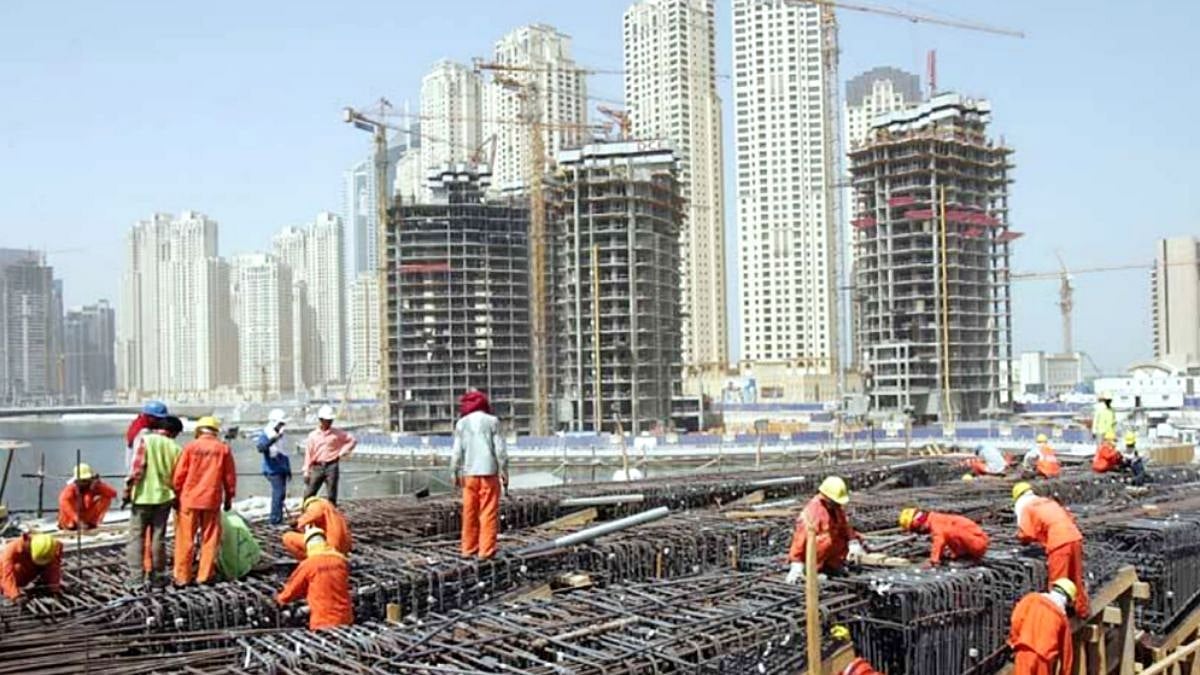
Construction and retail trade together account for around 40% of the workforce and are currently less exposed to AI-driven substitution.
The services sector, however, is likely to see greater disruption. Sengupta said parts of finance, healthcare, education and business services could benefit from AI adoption, while substitution risks are more prominent in postal and telecommunications services and IT, particularly call-centre jobs.

Gradual AI adoption could boost productivity
Goldman Sachs estimates that a carefully sequenced rollout of AI could increase overall productivity by around 0.4 percentage points over a 10-year period. Sengupta said the productivity gains from gradual adoption could outweigh potential job losses over a five-year horizon.
Meanwhile, Goldman Sachs has been surprised by the resilience of India’s economy. Despite its dependence on imported oil, India continues to rank among the fastest-growing major economies.
Recent indicators, including strong vehicle sales, credit growth reaching a two-year high and double-digit growth in Goods and Services Tax collections, point to robust domestic demand.
Sengupta said the economy had weathered the initial impact of the Middle East shock better than expected.
On monetary policy, the Reserve Bank of India could potentially begin raising interest rates from December if core inflation accelerates. If underlying price pressures remain contained, rate increases could instead begin in February and April.
Sengupta expects any tightening cycle to be shallow, with foreign-currency deposits and external commercial borrowings providing the RBI some flexibility in managing the rupee.

