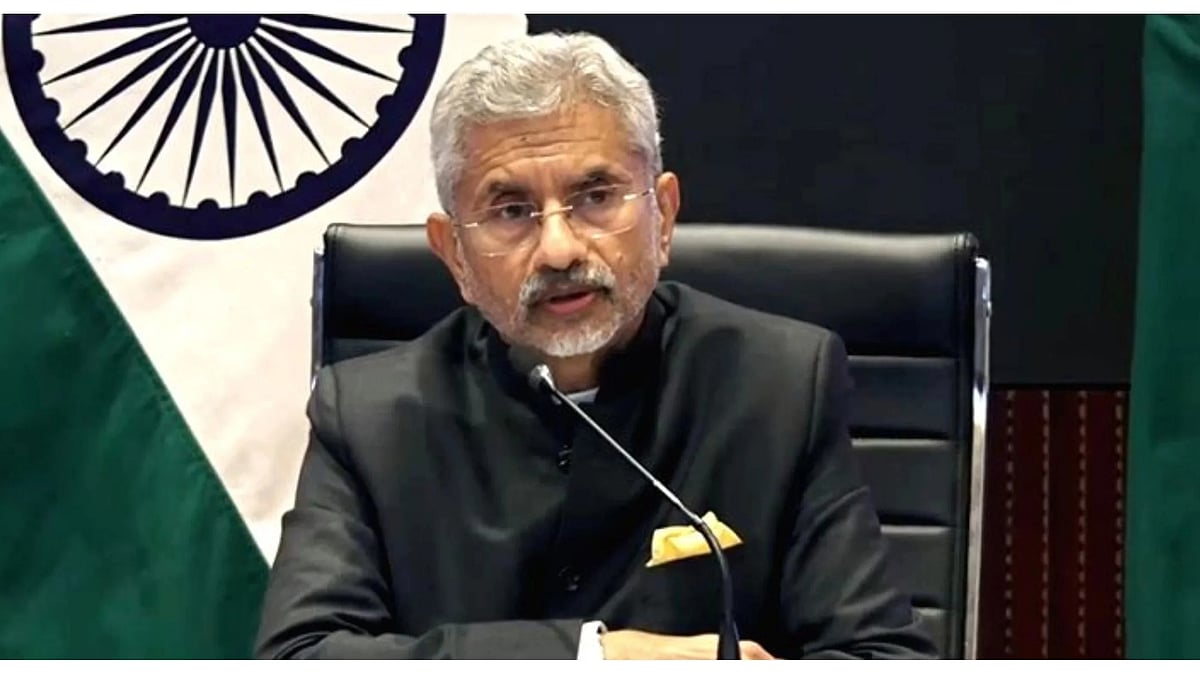
External Affairs Minister S Jaishankar has cautioned that the world could face a major food crisis in the coming months due to disruptions in grain supplies, fertiliser shortages and the threat of a strong El Niño weather event.
Speaking at an Asia Society event in New York, Jaishankar said ongoing conflicts in Ukraine and the Gulf had created severe challenges for developing economies, particularly in the areas of food and energy security.
He said India was closely monitoring the energy situation, where markets remain under pressure. According to Jaishankar, attempts to politicise oil supplies could push prices higher at a time when global markets need stability.
Wars and supply disruptions threaten food security
Jaishankar said the impact of geopolitical tensions was extending beyond energy markets. Several major grain-exporting countries may face difficulties in maintaining shipments, while shortages of fertilisers are becoming a growing concern.
"There is going to be a major food crisis, probably in the coming months," he said, adding that the possibility of a Super El Niño could increase pressure on agricultural output.
The disruption caused by the US-Iran conflict has affected shipping through the Strait of Hormuz, an important route for global energy and fertiliser trade. The waterway handles a significant share of seaborne fertiliser shipments, and restrictions have contributed to higher costs.
Climate risks add to global supply concerns
El Niño, a periodic warming of Pacific Ocean waters, can alter rainfall patterns across regions. While “Super El Niño” is not an official scientific category, the term is commonly used to describe unusually strong events.
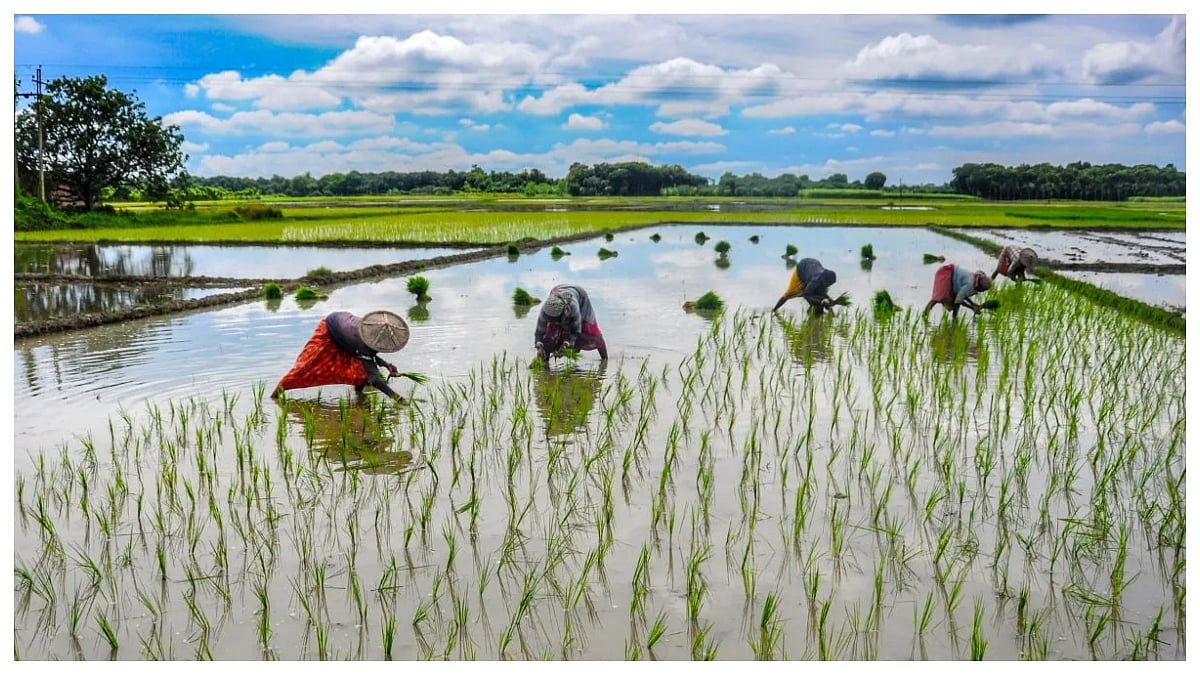
A severe El Niño can affect crop production in major agricultural regions, including Southeast Asia, Australia and South Asia. Lower rainfall could impact output of rice, grains, sugar and palm oil, raising concerns for countries dependent on imports.
India has already forecast below-average monsoon rainfall, while reduced output in major rice-exporting countries such as Thailand and Vietnam could create additional supply pressure.
Analysts have warned that reduced fertiliser usage could affect future harvests and keep food prices elevated even if disruptions in the Strait of Hormuz ease.
The combination of geopolitical conflicts, supply chain disruptions and climate uncertainty has increased concerns over global food availability and affordability.

