
Mumbai: This step has been taken to support airlines that are facing financial pressure due to global issues, especially the Iran conflict. Airlines are also dealing with restrictions on flying over Pakistan, which has increased costs and travel time.
By reducing airport charges, the regulator aims to ease the financial burden and help airlines manage operations better during this challenging period.

Airlines had requested cost cuts
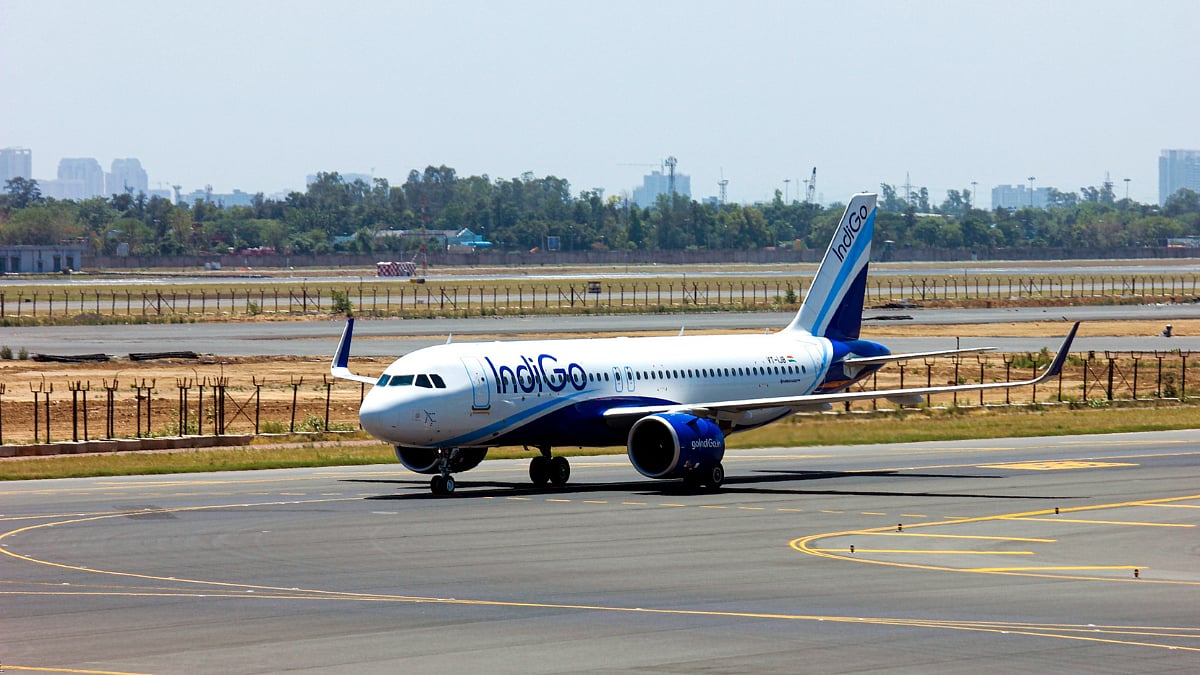
The decision comes after major airlines like IndiGo and Air India asked for rationalisation of airport charges. These charges are a significant expense for airlines.
According to the International Air Transport Association (IATA), airport and air navigation charges are the third-largest cost for airlines after fuel and labour. This shows how important this relief is for the aviation industry.
Temporary measure with future adjustment
AERA has clarified that this reduction is temporary and will last for three months. The loss in airport revenue due to this cut will be adjusted in future tariff reviews.
This means airports may recover the reduced amount later, but for now, airlines will benefit from lower operating costs.
Positive impact on aviation stocks
The announcement, along with easing global tensions, has boosted investor sentiment in aviation stocks. IndiGo shares rose nearly 10 percent in a single day and hit the upper circuit.
Over the last five days, IndiGo stock has gained about 13.38 percent, and over the past month, it has risen by 10.51 percent. The rally was also supported by news of a two-week ceasefire between the US and Iran, which reduced global uncertainty.

What it means for the sector?
This move is expected to improve cash flow for airlines and help them handle rising costs more efficiently. Lower charges may also support ticket pricing stability for passengers.
Overall, the rule change is seen as a short-term but important step to stabilise the aviation sector during global uncertainty.

