
The government and state-run oil marketing companies (OMCs) are considering the possibility of making E10 petrol available for older vehicles alongside E20 fuel, although no final decision has been taken.
Bharat Petroleum Corporation Ltd (BPCL) Chairman and Managing Director Sanjay Khanna said the proposal is being discussed to provide a lower ethanol-blend option for vehicles that may be better suited to E10. However, he clarified that the plan does not involve replacing E20 petrol.
E10-E20 Supply Creates Logistics Challenge
Khanna said BPCL does not expect major infrastructure difficulties if the company were simply required to switch from E20 to E10. The bigger challenge would be supplying both fuel grades simultaneously across the country.
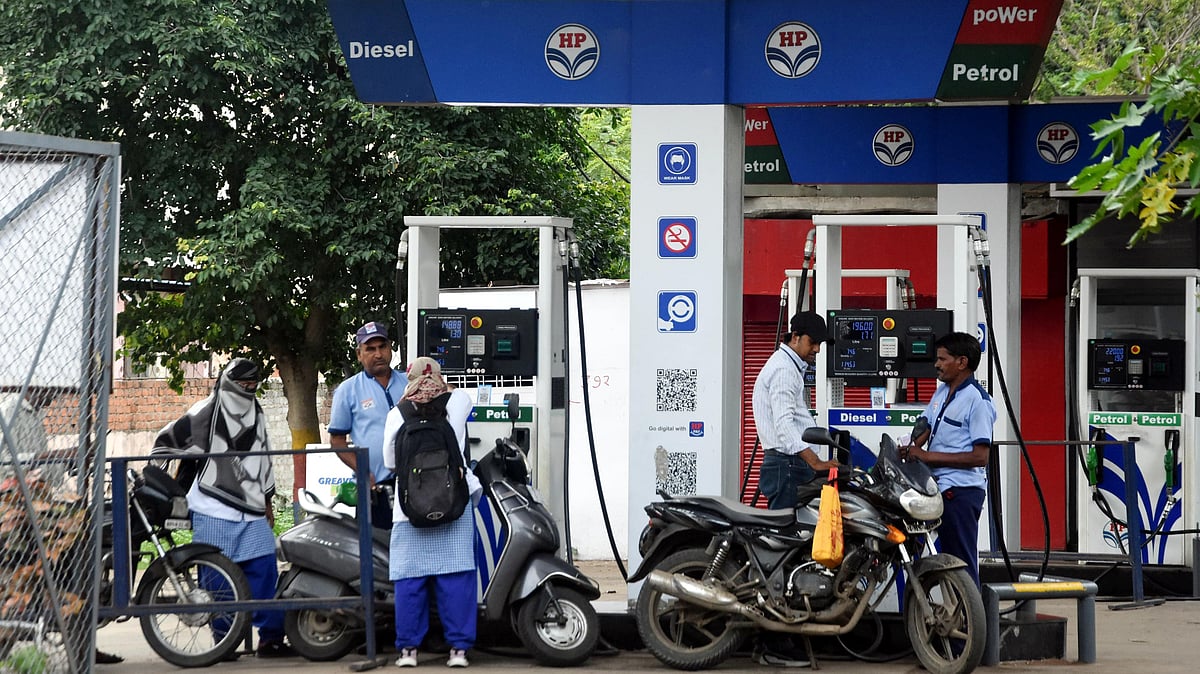
India's fuel distribution network would need to manage separate E10 and E20 supply streams, potentially increasing inventory, transportation and handling requirements.
The government has previously pointed out that maintaining parallel supplies of E0, E10 and E20 across more than one lakh fuel stations could make the distribution system more complicated and expensive.
The discussions have gained momentum following support from Chief Economic Adviser V Anantha Nageswaran for restoring a lower-ethanol petrol option, particularly for older vehicles. India reached its 20% ethanol-blending target last year, well ahead of the original schedule.
BPCL Diversifies Crude and LPG Supplies
Separately, BPCL said its crude oil and LPG supplies remain secure despite continuing geopolitical uncertainties. The company has completed crude procurement for September and has already secured roughly half of its October requirement.
Around 60% of BPCL's current crude requirement is being sourced from spot markets, with spot cargoes helping compensate for limited term supplies.
The company has also purchased its first Iraqi crude cargo of FY27, involving about one million barrels. The shipment has crossed the Strait of Hormuz and is being transported to Fujairah for ship-to-ship transfer.
BPCL said it would consider sourcing additional Iraqi crude where insurance costs, vessel availability and overall economics make such purchases viable.

